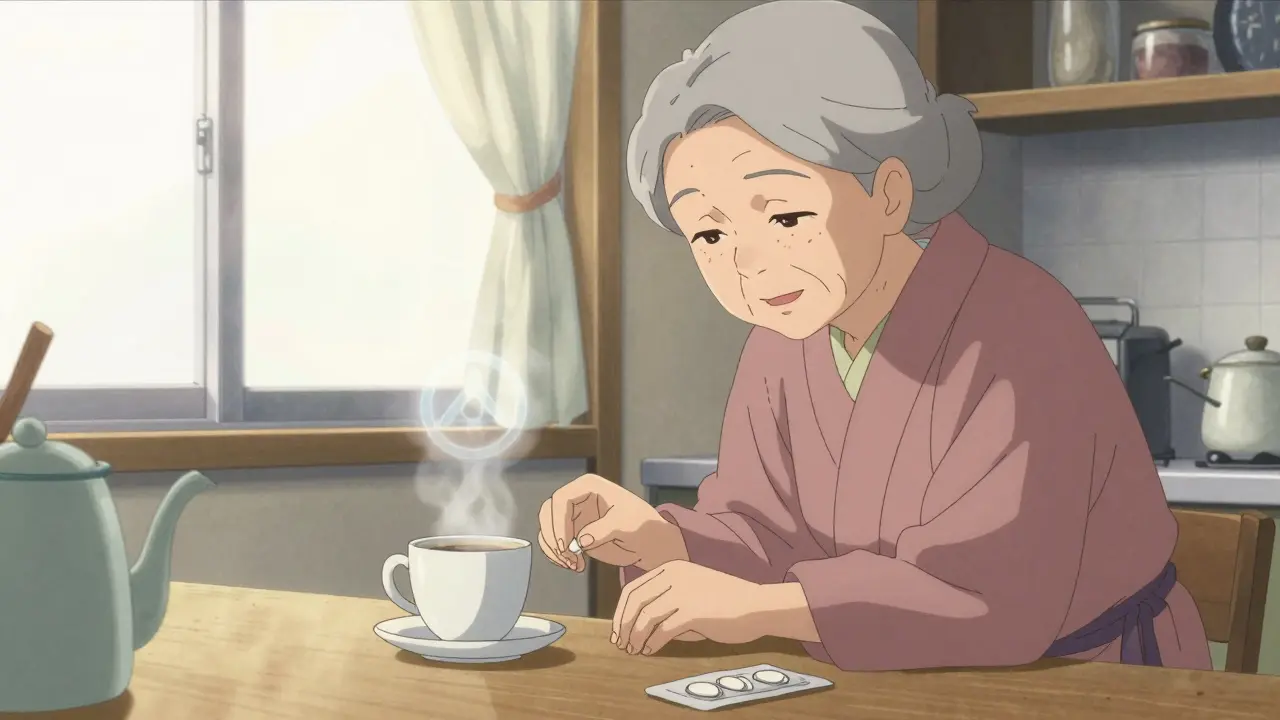
Caffeine can interfere with common medications like thyroid pills, blood thinners, antidepressants, and heart drugs-sometimes dangerously. Learn how coffee affects your prescriptions and what to do to stay safe.
11 Comments
by Arabella Simmons
Learn how to manage nausea and prevent weight loss during chemotherapy with science-backed nutrition tips. Discover what to eat, what to avoid, and real strategies that help patients stay strong through treatment.
8 Comments
by Arabella Simmons
Counterfeit medications are a growing threat worldwide, with fake pills containing toxic ingredients or no active drug at all. Learn the warning signs, where they come from, and how to protect yourself from dangerous fakes.
13 Comments
by Arabella Simmons
Learn how to read Medication Guides to spot serious drug risks and follow critical monitoring steps. These FDA-required guides save lives-if you know where to look.
15 Comments
by Arabella Simmons
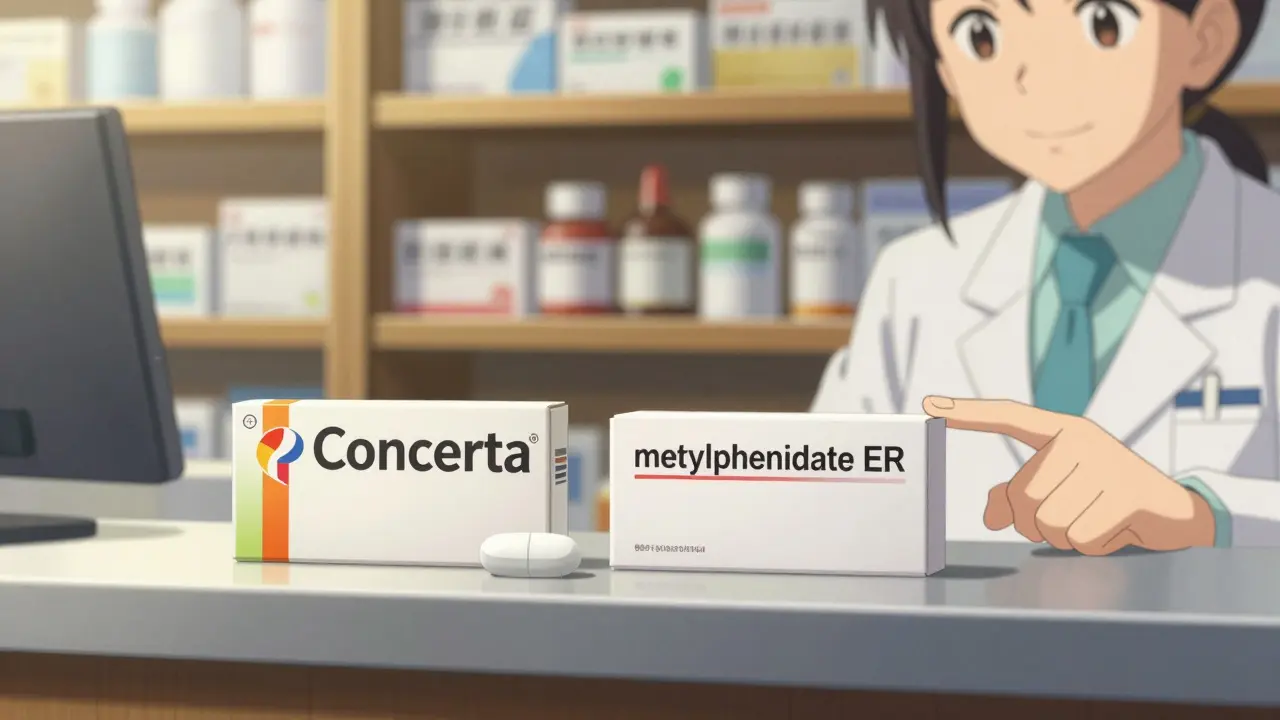
Authorized generics are brand-name drugs sold without the brand name, made by the same manufacturer with identical ingredients. They offer cost savings while maintaining the exact formulation of the original drug.
11 Comments
by Arabella Simmons
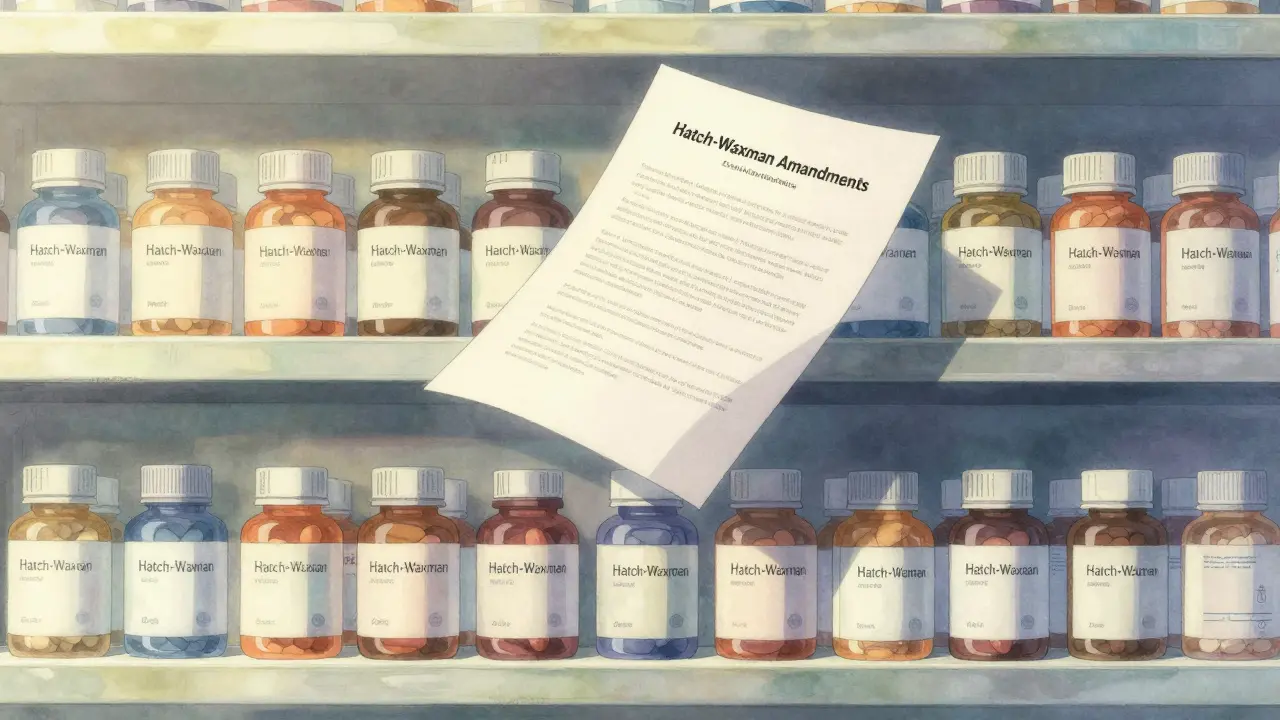
The Federal Food, Drug, and Cosmetic Act laid the legal groundwork for generic drugs in the U.S. through the Hatch-Waxman Amendments, enabling safe, affordable alternatives to brand-name medications while balancing innovation and competition.
15 Comments
by Arabella Simmons
Generic combination drugs often cost less than buying two separate generics. Learn how to spot hidden savings, compare prices, and switch to cheaper alternatives without losing effectiveness.
10 Comments
by Arabella Simmons
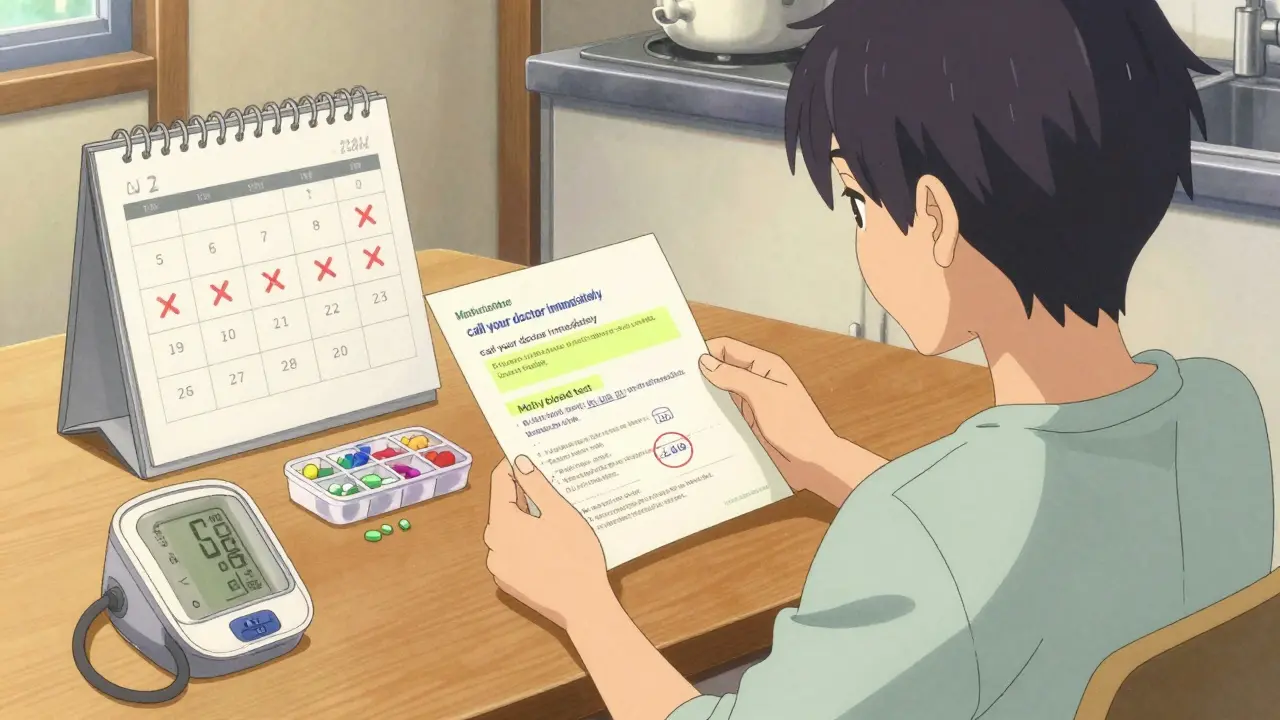
Learn the real red flags that mean you need to call your doctor right away about a medication problem-before it turns into a medical emergency. Know what’s normal, what’s dangerous, and how to act fast.
12 Comments
by Arabella Simmons
Learn how controlled substance labels and DEA schedule codes work, what each schedule means, and how it affects your prescriptions. Understand refills, legal limits, and recent changes like cannabis rescheduling.
10 Comments
by Arabella Simmons
Pneumothorax, or collapsed lung, causes sudden sharp chest pain and trouble breathing. Recognizing the signs early and getting emergency care fast can prevent life-threatening complications. Learn what to look for and how it’s treated.
8 Comments
by Arabella Simmons