Binge drinking while on warfarin can dangerously spike INR levels, increasing bleeding risk. Learn why even occasional heavy drinking is unsafe, what studies show, and how to stay safe. NHS guidelines and expert advice on alcohol limits for warfarin users.
13 Comments
by Arabella Simmons
Learn how to stay calm and make smart choices after receiving a drug safety alert. Use proven techniques to stop panic, check facts, and decide wisely without overreacting.
12 Comments
by Arabella Simmons
Caffeine can interfere with common medications like thyroid pills, blood thinners, antidepressants, and heart drugs-sometimes dangerously. Learn how coffee affects your prescriptions and what to do to stay safe.
11 Comments
by Arabella Simmons
Counterfeit medications are a growing threat worldwide, with fake pills containing toxic ingredients or no active drug at all. Learn the warning signs, where they come from, and how to protect yourself from dangerous fakes.
13 Comments
by Arabella Simmons
Learn how to read Medication Guides to spot serious drug risks and follow critical monitoring steps. These FDA-required guides save lives-if you know where to look.
15 Comments
by Arabella Simmons
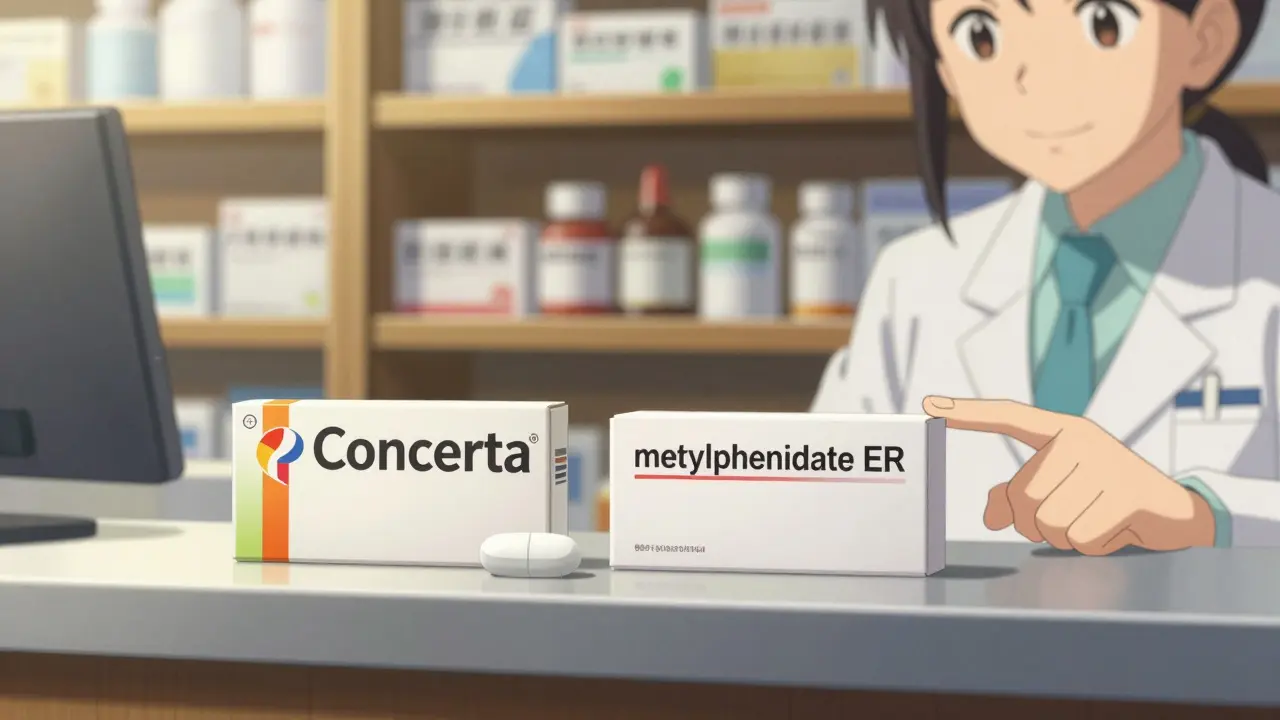
Authorized generics are brand-name drugs sold without the brand name, made by the same manufacturer with identical ingredients. They offer cost savings while maintaining the exact formulation of the original drug.
11 Comments
by Arabella Simmons
The Federal Food, Drug, and Cosmetic Act laid the legal groundwork for generic drugs in the U.S. through the Hatch-Waxman Amendments, enabling safe, affordable alternatives to brand-name medications while balancing innovation and competition.
15 Comments
by Arabella Simmons
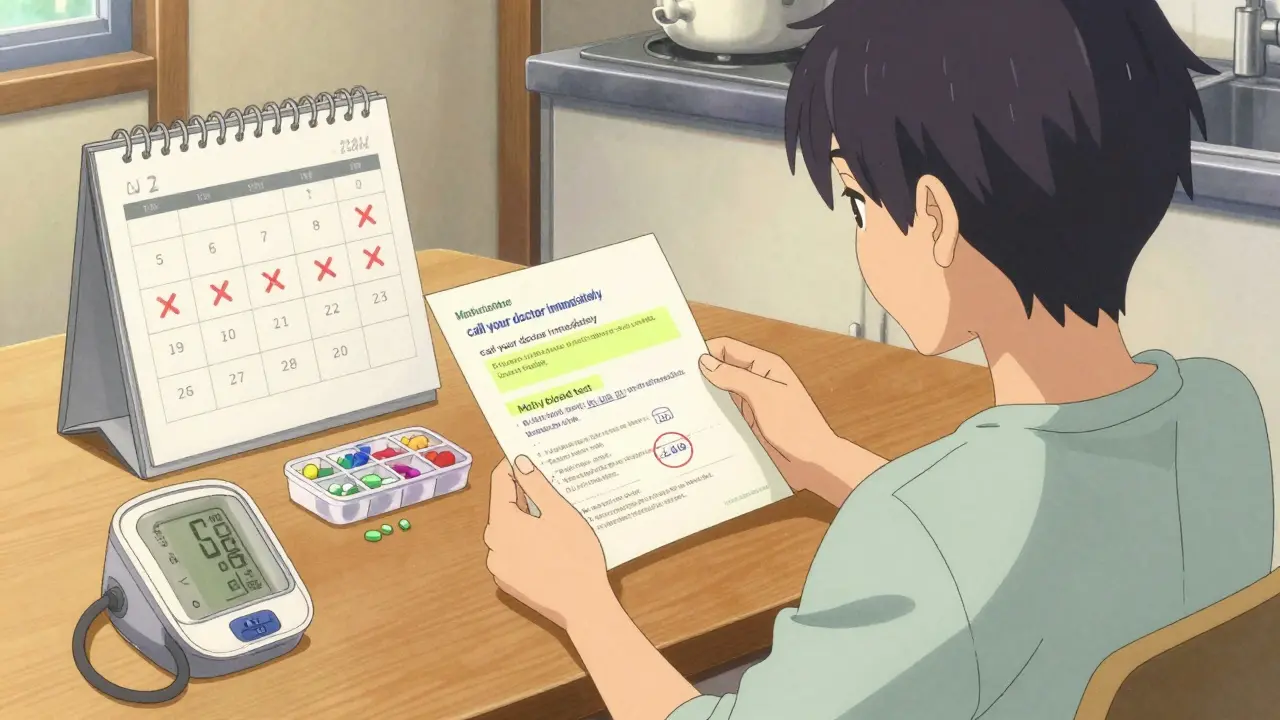
Learn the real red flags that mean you need to call your doctor right away about a medication problem-before it turns into a medical emergency. Know what’s normal, what’s dangerous, and how to act fast.
12 Comments
by Arabella Simmons
Learn how controlled substance labels and DEA schedule codes work, what each schedule means, and how it affects your prescriptions. Understand refills, legal limits, and recent changes like cannabis rescheduling.
10 Comments
by Arabella Simmons
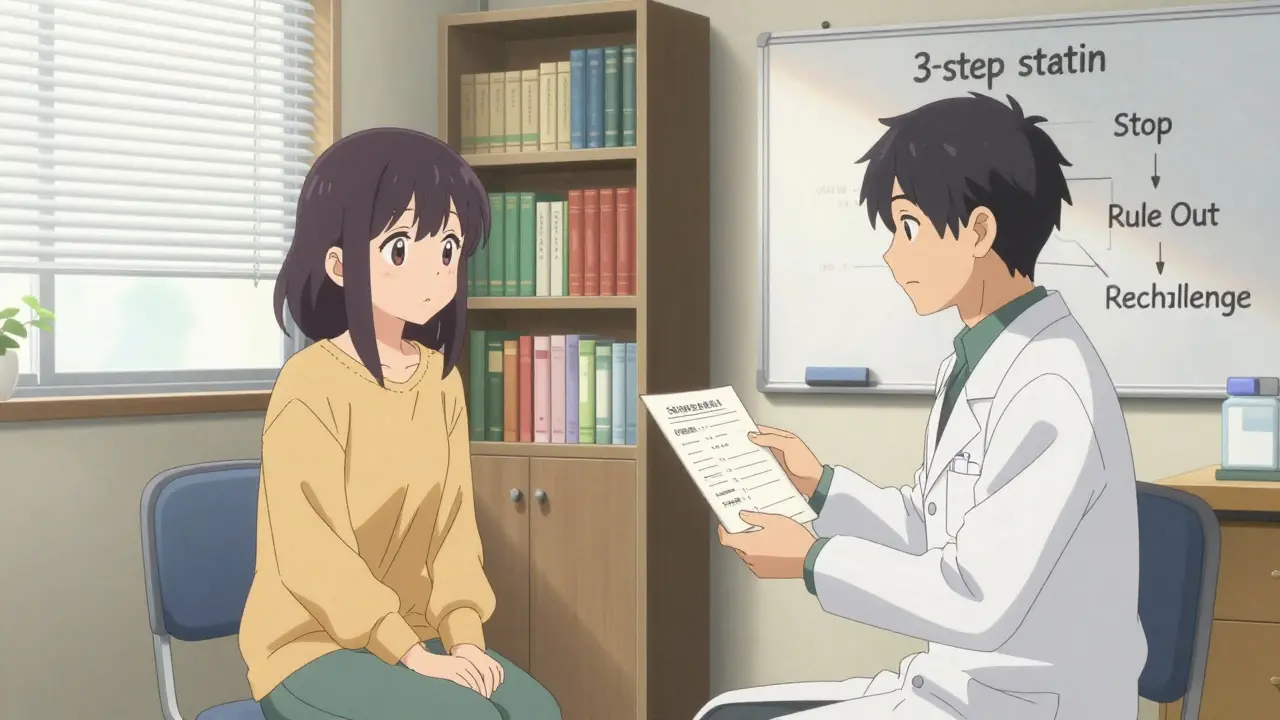
Statin intolerance clinics use structured protocols to help patients who think they can't tolerate cholesterol meds. Learn how rechallenge, switching statins, and intermittent dosing can get you back on life-saving therapy.
12 Comments
by Arabella Simmons