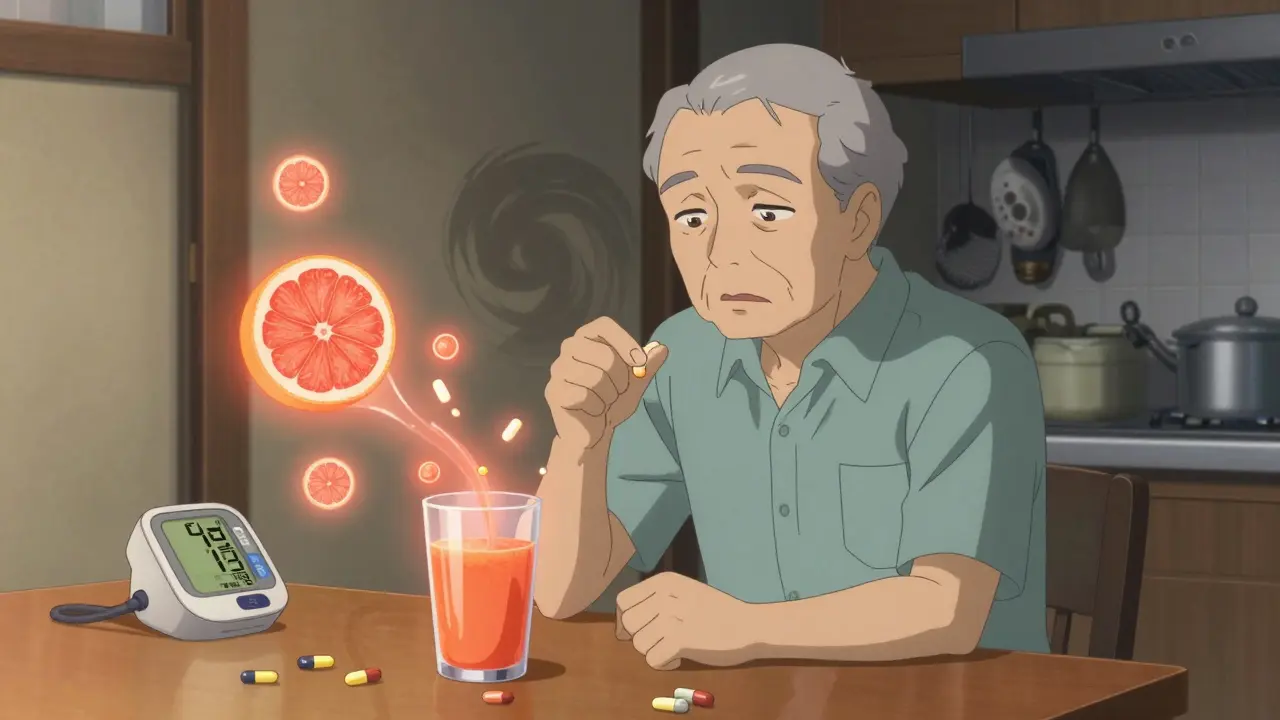
Calcium channel blockers are widely used for high blood pressure and heart conditions, but their safety depends on how they interact with other drugs. Learn which CCBs are safest, how CYP3A4 metabolism affects risk, and what to avoid to prevent dangerous side effects.
15 Comments
by Arabella Simmons
Fluoxetine (Prozac) can cause anxiety and insomnia when first taken, especially if taken at night. Learn why this happens, how to time your dose for better sleep, and what to do if side effects persist.
7 Comments
by Arabella Simmons
Learn how to tell the difference between manageable medication side effects and dangerous ones. This guide gives you clear, real-world rules to decide when to wait it out-and when to call your doctor.
8 Comments
by Arabella Simmons
Drug desensitization is a medically supervised method to safely reintroduce a medication you're allergic to. Used for antibiotics, chemo, and biologics, it allows patients to complete life-saving treatments when no alternatives exist. Only performed in specialized clinics, it offers temporary tolerance with over 90% success rates.
9 Comments
by Arabella Simmons
Generic cancer drugs save money, but combining them introduces hidden risks. Bioequivalence standards designed for single drugs often fail for multi-drug cancer regimens - and patient safety may be at stake.
10 Comments
by Arabella Simmons
Direct-acting antivirals cure over 95% of hepatitis C cases in just 8-12 weeks. Learn how DAAs transformed treatment, real-world cure rates, and why so many people still aren’t getting treated.
0 Comments
by Arabella Simmons
Learn how to keep travel medications effective on long trips by managing temperature, humidity, and storage. Avoid dangerous degradation of insulin, EpiPens, and other sensitive drugs with practical, science-backed tips.
8 Comments
by Arabella Simmons
Learn how to talk to patients about generic medications in a way that builds trust, reduces fear, and improves adherence. Discover proven strategies, common myths, and real-world tips used by pharmacists today.
9 Comments
by Arabella Simmons
Drug interactions can turn normal side effects into life-threatening problems. Learn how common combos like statins with grapefruit or warfarin with aspirin increase risks - and how to protect yourself.
15 Comments
by Arabella Simmons
Anaphylaxis from medications is fast, deadly, and preventable. Learn the signs, why epinephrine is the only treatment that works, and how to act before it's too late.
9 Comments
by Arabella Simmons