

Fluoxetine Timing Effect Calculator
How Your Dosing Time Affects Side Effects
Fluoxetine (Prozac) is the most activating SSRI. Taking it at the wrong time can worsen anxiety and insomnia. This calculator shows how your timing impacts activation side effects.
Your Results
Current Situation
Your current dosing time may increase activation side effects.
Improved Outcome if Switched to Morning
Switching to morning dosing could significantly reduce these side effects.
When you start fluoxetine - the generic version of Prozac - you might feel more anxious, wired, or wide awake at night. It’s not a mistake. It’s a common side effect called activation, and it happens because fluoxetine is the most stimulating SSRI out there. Unlike other antidepressants that make you sleepy, fluoxetine can turn your brain into overdrive, especially in the first few weeks. If you’re already struggling with anxiety or insomnia, this can feel overwhelming. But here’s the good news: timing, dose, and patience can make a huge difference. This isn’t about stopping the medication - it’s about working with how your body reacts to it.
Why Fluoxetine Makes You Feel Wired
Fluoxetine works by blocking the serotonin transporter, which means more serotonin stays in your brain. That’s great for lifting depression - but serotonin isn’t just about mood. It’s also involved in wakefulness, alertness, and stress responses. When serotonin levels spike quickly, your nervous system can get overstimulated. That’s why many people report racing thoughts, jitteriness, or sudden anxiety within days of starting fluoxetine.
It’s not just you. Studies show fluoxetine causes significantly more activation side effects than other SSRIs like sertraline or escitalopram. A 2023 review in the Journal of Clinical Psychopharmacology found that 38.7% of users reported insomnia, and nearly half said they felt nervous or agitated during the first two weeks. This isn’t rare - it’s expected. The difference? Some people feel it badly. Others barely notice it. Why? It depends on your brain chemistry, your dose, and when you take it.
The Timing Trick: Why Morning Matters
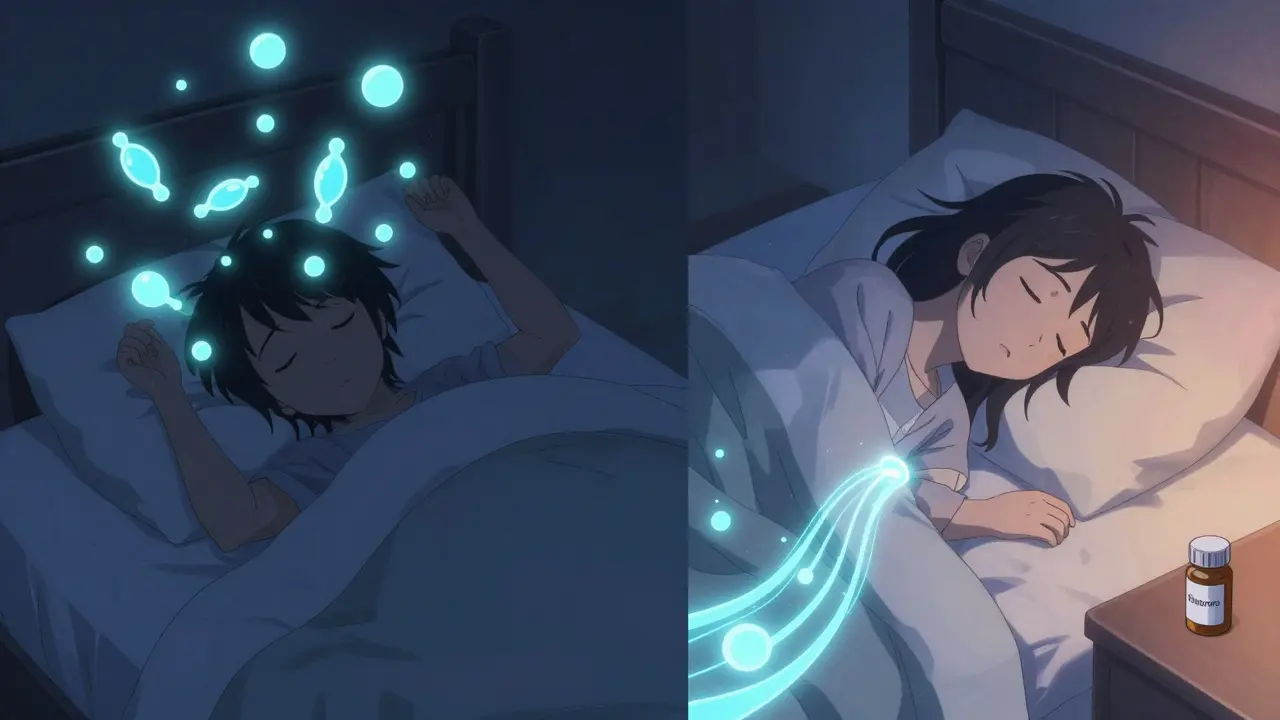
If you’re taking fluoxetine at night, you’re setting yourself up for trouble. Because of its long half-life - up to 15 days for its active metabolite, norfluoxetine - the drug stays in your system for weeks. That means if you take it at bedtime, the stimulating effects are still active when you’re trying to sleep. It’s like leaving a coffee machine on all night.
Clinical guidelines are clear: take fluoxetine in the morning. Always. Even if you’re not feeling energized, the drug’s effect on serotonin doesn’t care about how you feel. It’s working behind the scenes. Taking it with breakfast gives your body the whole day to process the stimulation. By the time you’re winding down at night, the peak effects have passed.
Real-world feedback supports this. On Reddit, users who accidentally took fluoxetine at night reported sleepless nights, panic attacks, and heart palpitations. Those who switched to morning dosing saw improvement within 3-5 days. One user wrote: “I took it at night for two weeks. I thought I was just stressed. Then I switched to morning - slept like a baby by day four.”
What If Morning Doesn’t Help?
Some people still struggle with insomnia or anxiety even after switching to morning dosing. That’s when you need to look at three things: dose, duration, and alternatives.
Dose: Starting too high can make activation worse. For most adults, the standard starting dose is 20 mg per day. But for older adults or people sensitive to medications, doctors often start at 10 mg. If you’re on 40 mg and having trouble sleeping, ask if you can drop back to 20 mg. Lower doesn’t mean ineffective - it just means fewer side effects.
Duration: Activation isn’t permanent. The same 2023 study found that after eight weeks, 62% of people who initially had insomnia reported better sleep. Your brain adapts. Serotonin receptors recalibrate. The jitteriness fades. This is why doctors tell you to give it time - usually 4-6 weeks - before deciding if it’s working. If you quit too soon, you might miss the benefits.
Alternatives: If you’re still wide awake after six weeks, talk to your doctor about adding a sleep aid, switching to a less activating SSRI like sertraline, or trying a sedating antidepressant like mirtazapine. Some doctors will add a low-dose trazodone (25-50 mg) at night to counteract the stimulation. It’s not a fix-all, but it’s a common, safe strategy.
Who Should Avoid Fluoxetine Altogether?
Fluoxetine isn’t right for everyone. If you already have:
- Severe insomnia or sleep apnea
- Chronic anxiety disorders with panic attacks
- A history of mania or bipolar disorder (without proper mood stabilizers)
- Been on other medications that affect serotonin (like tramadol or certain migraine drugs)
then fluoxetine might do more harm than good. It’s especially risky for people under 25, where the FDA has issued a boxed warning about increased suicidal thoughts during the first few weeks of treatment. Activation can worsen agitation in vulnerable people. That’s why close monitoring is required early on.
On the flip side, fluoxetine is often the best choice for people with depression that comes with fatigue, oversleeping, or low energy - known as “atypical depression.” If you’re the type who sleeps 10 hours and still feels tired, fluoxetine can be a game-changer. It’s not about being “depressed” - it’s about what kind of depression you have.
What About the Long Half-Life?
Fluoxetine sticks around. For weeks. That’s why there’s a 90 mg weekly capsule available. It sounds convenient - and it is - but it’s a double-edged sword. If you have side effects, you can’t just stop or reduce the dose quickly. It takes 3-4 weeks for the drug to leave your system. That means if you start feeling worse, you’re stuck with it for a while.
This is why starting low and going slow is critical. Don’t jump from 10 mg to 40 mg in a week. Wait at least two weeks between dose increases. And if you ever need to stop, don’t quit cold turkey. Tapering helps avoid withdrawal symptoms like dizziness, irritability, or brain zaps.
Real Talk: What Patients Actually Experience
Here’s what people say after 6 months on fluoxetine:
- “First two weeks: I couldn’t sleep. I cried all day. Then, suddenly, I felt calm. Now I sleep 7 hours.”
- “I took it at night because I thought it’d help me relax. I was wrong. Switched to morning. Life changed.”
- “I had tremors. My hands shook. My doctor lowered my dose. Now I’m fine.”
- “I was on sertraline. It made me tired. Switched to fluoxetine. Now I have energy for the first time in years.”
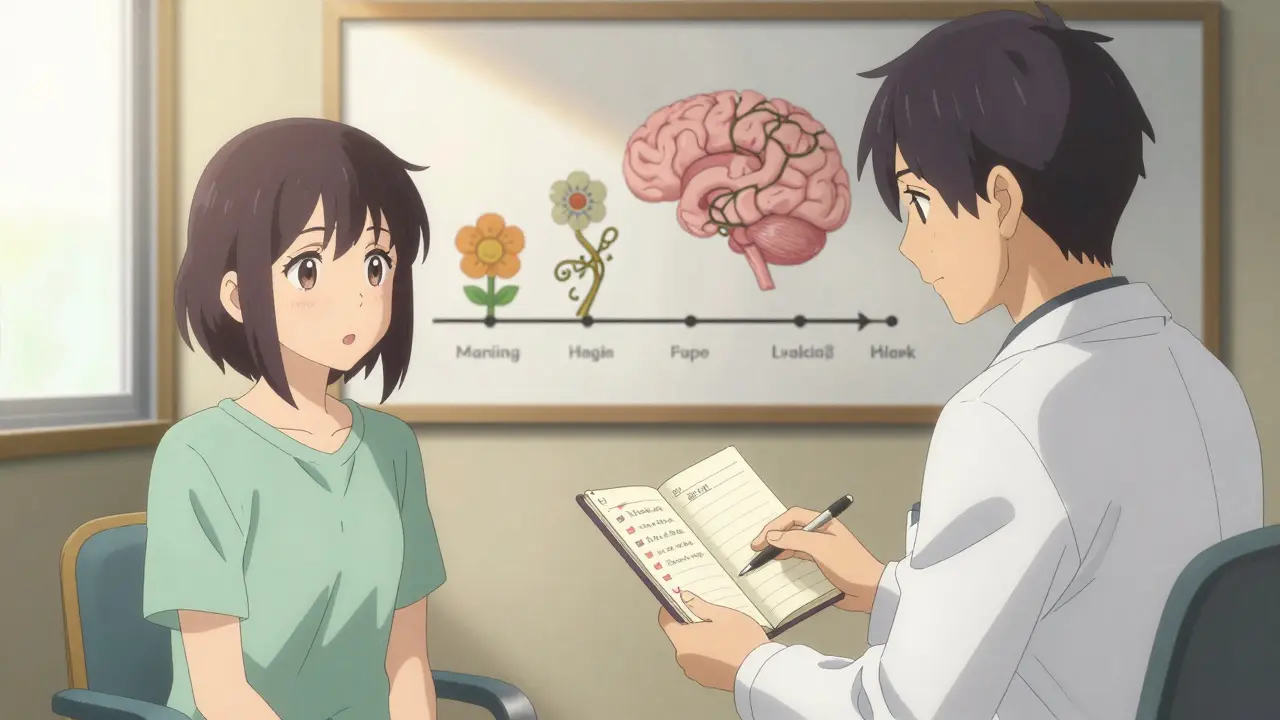
There’s no universal experience. Some people feel like a new person. Others feel worse before they feel better. The key is not to panic - but to communicate. Tell your doctor about every change, even if it seems small. Keep a sleep and mood journal. Note when you take the pill, how you sleep, and how anxious you feel.
What Else Can Help?
Beyond timing and dosing, these habits make a big difference:
- Keep your bedroom dark, cool, and screen-free
- Avoid caffeine after noon - even tea or chocolate
- Get sunlight in the morning - even 10 minutes helps reset your circadian rhythm
- Try light exercise - walking or yoga in the afternoon can burn off excess energy
- Practice 5-minute breathing before bed - box breathing (4 in, 4 hold, 4 out, 4 hold) calms the nervous system
These aren’t magic fixes. But they work with the medication - not against it.
Can fluoxetine cause anxiety even if I’m not depressed?
Yes. Fluoxetine affects serotonin systems regardless of your diagnosis. If you’re taking it for anxiety disorders, OCD, or even off-label for migraines, it can still cause temporary increases in anxiety, especially in the first two weeks. This is why doctors often start with low doses and monitor closely. The anxiety usually improves as your brain adapts - but if it gets worse or doesn’t improve after 4 weeks, talk to your prescriber.
Is it safe to take fluoxetine with melatonin?
Generally, yes - but only under medical supervision. Melatonin helps regulate sleep, while fluoxetine stimulates wakefulness. Combining them can work if you’re taking fluoxetine in the morning and melatonin 30-60 minutes before bed. But don’t self-prescribe. Some people overuse melatonin, which can disrupt natural sleep rhythms. Your doctor can recommend the right dose - usually 0.5 mg to 3 mg - and check for interactions with other meds.
Why does fluoxetine take so long to work if it increases serotonin right away?
Serotonin levels rise within hours, but your brain needs time to adjust. Early on, the sudden flood of serotonin overstimulates certain receptors, which can cause side effects. Over weeks, your brain downregulates those receptors and starts using serotonin more efficiently. This is why you feel worse before you feel better. It’s not the drug failing - it’s your brain remodeling itself. That’s why patience is part of the treatment.
Can I switch from fluoxetine to another SSRI if side effects persist?
Yes - and it’s common. Sertraline and escitalopram are often preferred as first-line options because they’re less activating. But switching isn’t simple. Because fluoxetine stays in your system for weeks, you can’t just stop and start another drug. Your doctor will likely taper you off slowly (over 2-4 weeks) and wait a week or two before starting the new medication. This avoids serotonin syndrome and ensures a smooth transition.
Does food affect how fluoxetine works?
Food can slow absorption by about an hour, but it doesn’t change how much gets into your bloodstream. So, you can take fluoxetine with or without food. But if you get nausea (a common side effect), taking it with a light meal can help. The bigger issue is timing - not food. Stick to morning dosing, regardless of what you eat.
Final Takeaway
Fluoxetine isn’t a one-size-fits-all pill. Its activating nature makes it powerful for some - and problematic for others. The key is understanding your own response. Take it in the morning. Start low. Wait six weeks. Track your sleep and mood. Talk to your doctor. Don’t quit because of early side effects - but don’t ignore them either. For many, the anxiety and insomnia fade. And what’s left is a life with more energy, less sadness, and better sleep. But only if you manage the activation - not fight it.
Comments
I took fluoxetine at night for three weeks and thought I was losing my mind. Panic attacks at 2 a.m. like clockwork. My therapist said I was "overthinking" - until I switched to morning. Holy crap. I slept like a newborn by day 4. Why do doctors even let people take this at night? It’s not a suggestion. It’s a rule. Don’t be the person who ignores it. You’ll thank me later.
This is one of the clearest breakdowns of fluoxetine activation I’ve seen. The part about serotonin receptor recalibration? Spot on. Most people think it’s "just anxiety" - but no, it’s neuroadaptation. The 62% improvement after 8 weeks? That’s the magic number. I tell all my patients: if you’re still wired at week 6, then we tweak. But if you bail at week 2? You’re quitting before the medicine even starts working. Patience isn’t passive - it’s strategic.
I was the person who took fluoxetine at night because I thought it "would calm me down." 😅 I was so wrong. I had heart palpitations, couldn’t focus, and cried over spilled coffee. Then I switched to morning and… I got my life back. Like, literally. I started hiking again. I laughed. I remembered what sunlight felt like. It’s not just a med - it’s a whole reset. If you’re struggling, don’t give up. Just move the damn pill to breakfast. 🙏
You know what they’re not telling you? Fluoxetine is used in military trials to enhance alertness. They don’t call it "activation" - they call it "combat readiness." The FDA warning? That’s just the tip. Big Pharma knows this. They want you to suffer through the first two weeks so you’ll keep taking it. I’ve seen the data. It’s not about depression. It’s about compliance. Wake up.
Morning dose. Start low. Wait six weeks. That’s it. No magic. No mystery. Just science. People overcomplicate this. You don’t need a journal. You don’t need supplements. You just need to take it when the sun comes up and trust the process. If you’re still wired after six weeks? Then talk to your doctor. But don’t blame the med. Blame the timing.
I switched from sertraline to fluoxetine because I was a zombie. Now I’m awake. For real. No more 12-hour naps. No more guilt about not getting out of bed. Yeah the first week sucked. Jittery. Nervous. But I stuck with it. Morning dose. No caffeine after noon. Walked 20 mins every day. Boom. Changed my life. Stop overthinking. Just do the basics.
Thank you for sharing this thoughtful, evidence-based guide. It’s rare to see such clarity on a topic often clouded by fear and misinformation. Your emphasis on patience, communication, and individualized care is exactly what mental health treatment needs more of. You’ve given people not just information - but hope.