

Dealing with swollen veins in the rectum or anus is uncomfortable, embarrassing, and surprisingly common. In fact, more than half of us will face this issue before we turn 50. The good news? You don’t always need a specialist to fix it. Over-the-counter (OTC) hemorrhoid treatments are accessible medications designed to provide temporary relief from pain, itching, and swelling associated with swollen rectal veins. These products range from simple wipes to medicated creams, offering a first line of defense that works for about 75% of mild cases.
However, there is a fine line between self-care and ignoring a serious problem. Using the wrong product, applying it incorrectly, or waiting too long to see a doctor can turn a manageable annoyance into a painful medical procedure. This guide breaks down exactly which OTC options work best for your specific symptoms, how to use them correctly, and-most importantly-the red flags that mean you need professional help immediately.
Understanding Your Symptoms: Internal vs. External
Before you grab any cream off the shelf, you need to know what you are dealing with. Hemorrhoids are essentially swollen blood vessels, but their location dictates which treatment will actually help. Think of it like choosing the right tool for a job; using a hammer to screw in a bolt just won't work.
External hemorrhoids form under the skin around the anus. They are often itchy, painful, and sometimes visible as lumps. Because they are on the surface, topical creams and wipes work well here. On the other hand, Internal hemorrhoids sit inside the rectum. You usually can't see them, but they might bleed during bowel movements or prolapse (push out) temporarily. For these, suppositories are generally more effective because they deliver medication directly to the internal tissue where creams cannot reach.
If you are unsure which type you have, look at the primary symptom. Is it external itching and lumpiness? Go for creams and wipes. Is it internal bleeding or discomfort deep inside? Suppositories are your better bet. Misidentifying the type is one of the most common reasons people feel like OTC treatments "don't work."
Decoding Active Ingredients: What’s Actually in the Tube?
Walking down the pharmacy aisle can be overwhelming. Boxes promise instant relief, cooling sensations, and shrinkage. But if you look past the marketing, you’ll find four main types of active ingredients. Each serves a different purpose, and knowing the difference saves you money and frustration.
- Vasoconstrictors: Ingredients like phenylephrine is a medication that narrows blood vessels to reduce swelling and size of hemorrhoidal tissue work by shrinking the swollen veins. Products like Preparation H contain 0.25% phenylephrine. They start working within 15 minutes, but the effect is short-lived, lasting only 2-4 hours. This is great for quick fixes before an event, but not for long-term healing.
- Astringents: Witch hazel is a natural plant extract used in skincare and medicinal products for its anti-inflammatory and soothing properties is the star here. Found in brands like Tucks, it provides a cooling sensation and reduces inflammation. It offers immediate comfort for 30-60 minutes. It’s gentle, safe for frequent use, and excellent for external irritation.
- Local Anesthetics: If pain is your main enemy, look for benzocaine is a topical local anesthetic that numbs nerve endings to relieve pain and itching or pramoxine. These numb the area, providing 2-4 hours of pain relief. They don’t heal the hemorrhoid, but they make sitting and moving bearable while your body heals.
- Corticosteroids: Hydrocortisone is a mild steroid medication that reduces inflammation, itching, and swelling (usually 1%) tackles the root cause of the discomfort: inflammation. However, patience is key. It takes 3-4 days of consistent use to see noticeable results. Do not expect instant magic here.
Combination products, such as Anusol HC, mix these ingredients (e.g., pramoxine for numbing plus hydrocortisone for inflammation). Studies show these combos can be 40% more effective than single-ingredient products for moderate symptoms. Just remember: more isn’t always better. Start with the ingredient that targets your primary symptom.
How to Use OTC Treatments Correctly
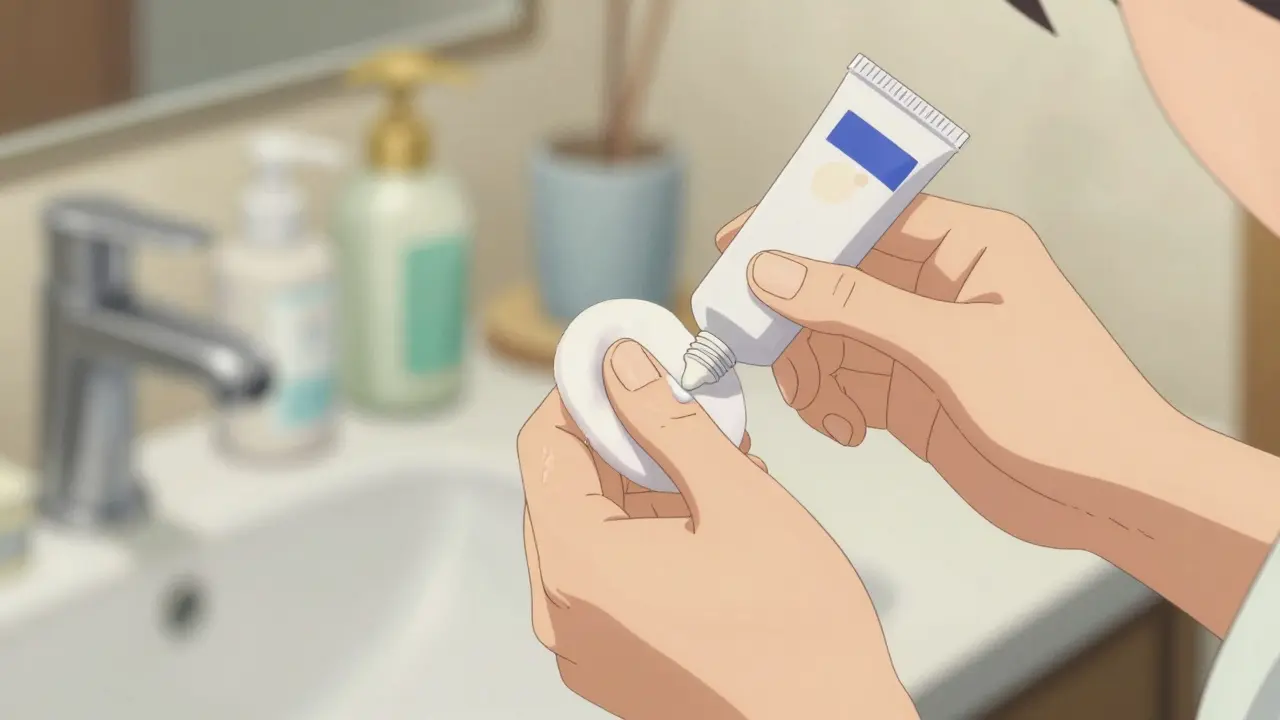
Even the best medicine fails if you apply it wrong. Clinical data suggests that improper application reduces effectiveness by up to 50%. Here is how to get the most out of your OTC purchase.
- Cleanse Gently: Before applying anything, clean the area with warm water. Avoid harsh soaps or rough toilet paper, which can irritate sensitive tissue. Pat dry gently; do not rub.
- Timing Matters for Suppositories: If you are using suppositories for internal hemorrhoids, insert them after a bowel movement when the rectum is empty. This ensures maximum absorption. Doing it at random times can reduce efficacy by 35%.
- Consistency is Key: Apply creams 3-4 times daily for 7-14 days. Many people stop after two days because they feel slightly better, but the inflammation hasn’t fully resolved. Stick to the full course unless directed otherwise.
- Combine with Sitz Baths: Soaking in a warm bath for 15-20 minutes, 2-3 times a day, boosts the effectiveness of topical treatments by 25%. The warmth increases blood flow and relaxes the sphincter muscle, allowing better penetration of the medication.
A common mistake is overuse. Applying cream every hour because you’re anxious won’t speed up healing; it can actually thin the skin or cause irritation. Follow the package directions strictly. Also, store some products in the refrigerator if recommended, especially witch hazel pads, for an extra cooling effect.
The 7-Day Rule: When Self-Treatment Fails
This is the most critical part of managing hemorrhoids at home. OTC treatments are designed for symptomatic relief, not cures for severe disease. The American Society of Colon and Rectal Surgeons advises that if your symptoms persist beyond 7 days of proper OTC treatment, it is time to see a doctor.
Why 7 days? Because persistent symptoms often indicate a higher grade of hemorrhoid (Grade III or IV) that has prolapsed and cannot be pushed back in. OTC creams have almost no effect on these advanced stages, with research showing only 15% improvement compared to 85% with medical procedures like rubber band ligation.
Waiting too long doesn’t just prolong pain; it can lead to complications like thrombosis (a blood clot forming in the hemorrhoid), which is excruciating and may require surgical removal. Don’t let pride or embarrassment delay necessary care. Doctors see this every day-they are not judging you; they are there to help you heal.

Red Flags: Immediate Medical Attention Required
Some symptoms go beyond typical hemorrhoid discomfort and signal something more serious. Ignore these at your peril. Seek immediate medical care if you experience:
- Rectal Bleeding: While minor spotting on toilet paper is common with hemorrhoids, heavy bleeding, bright red blood filling the bowl, or dark tarry stools can indicate other conditions like colorectal cancer or inflammatory bowel disease. Never assume bleeding is just hemorrhoids without a professional evaluation.
- Severe Pain: Mild discomfort is normal. Sharp, constant, or worsening pain could signal a thrombosed hemorrhoid or an anal fissure (a tear in the lining of the anus).
- Prolapse That Won’t Reduce: If a lump pushes out and you cannot gently push it back in, or if it stays out permanently, this is a Grade III or IV hemorrhoid requiring procedural intervention.
- Changes in Bowel Habits: If your hemorrhoid symptoms are accompanied by unexplained weight loss, diarrhea, or constipation that lasts weeks, consult a doctor to rule out other gastrointestinal issues.
Dr. Andrew Ullman of Temple Health warns that prescription-strength medications or procedures are often necessary when OTC options fail. Rubber band ligation, for example, has a 95% success rate for internal hemorrhoids and is a quick outpatient procedure. Getting treated early prevents the need for more invasive surgery later.
Cost and Accessibility: Making Smart Choices
You don’t need to buy the most expensive brand to get relief. Market analysis shows significant price variations, but efficacy often correlates with the active ingredient, not the logo. Basic witch hazel wipes cost between $4.99 and $8.99 per package, making them a budget-friendly option for mild external irritation. Combination hydrocortisone-pramoxine creams range from $12.99 to $19.99.
Generic versions of hydrocortisone and phenylephrine are widely available and cost significantly less than name brands like Preparation H, which dominates the market with 37% share. Unless you have a specific sensitivity, generic equivalents work just as well. Check with your pharmacist for recommendations on store-brand alternatives that match the active ingredients and concentrations you need.
How long does it take for OTC hemorrhoid treatments to work?
It depends on the active ingredient. Vasoconstrictors like phenylephrine work within 15 minutes but last only 2-4 hours. Witch hazel provides cooling relief for 30-60 minutes. Hydrocortisone, however, takes 3-4 days of consistent use to reduce inflammation significantly. Most users see moderate temporary relief within the first week.
Can I use hydrocortisone cream indefinitely?
No. Prolonged use of hydrocortisone (more than 7-14 days) can thin the skin and cause further irritation or dependency. Always follow the package instructions and consult a doctor if symptoms persist beyond two weeks.
Are natural remedies like witch hazel as effective as medicated creams?
For mild external itching and irritation, yes. Witch hazel is highly rated for immediate soothing effects. However, for significant swelling, pain, or internal hemorrhoids, medicated creams containing hydrocortisone or anesthetics are generally more effective due to their targeted anti-inflammatory and numbing properties.
What should I do if OTC treatments don’t work after a week?
If you have followed the instructions correctly for 7 days with no improvement, schedule an appointment with a healthcare provider. Persistent symptoms may indicate a higher-grade hemorrhoid or another condition requiring prescription medication or procedural treatment like rubber band ligation.
Is rectal bleeding always a sign of hemorrhoids?
Not necessarily. While hemorrhoids are a common cause of bright red blood on toilet paper, bleeding can also signal anal fissures, inflammatory bowel disease, or colorectal cancer. Any new or persistent rectal bleeding should be evaluated by a doctor to rule out serious conditions.