
Imagine paying for a generic version of your life-saving medication, only to find out later that the pills you've been taking contain nothing but crushed drywall or, worse, lethal synthetic opioids. It sounds like a plot from a thriller, but for thousands of people, this is a daily reality. With the global market for fake pharmaceuticals hitting roughly $200 billion annually, the line between a legitimate counterfeit generics alternative and a dangerous fake is thinner than ever. While switching to generics is a great way to save money, the rise of unregulated online storefronts has made it easier for criminals to slip dangerous products into the supply chain.
The scary part? Even professional pharmacists can be fooled. Modern counterfeiters use high-end pill presses that replicate imprints perfectly. However, while you might not have a laboratory in your kitchen, there are specific red flags and verification steps you can take to protect your health. Here is how to tell the difference between a safe generic and a dangerous scam.
The Reality of Fake Medications
Before we get into the "how-to," let's be clear about what we're dealing with. The World Health Organization is the international body responsible for global public health refers to these as "substandard and falsified medical products." This isn't just about a pill that doesn't work; it's about fraudulent mislabeling of identity, safety, and source.
In some regions, the situation is dire. In Asia, over 50% of counterfeit malaria medicines have been found to contain zero active ingredients. In North America, the DEA has seized millions of fake pills that look like legitimate prescriptions but actually contain illicit fentanyl. This means a "cheap generic" from an unverified site isn't just a risk to your wallet-it's a risk to your life.
How to Spot a Pharmacy Scam Online
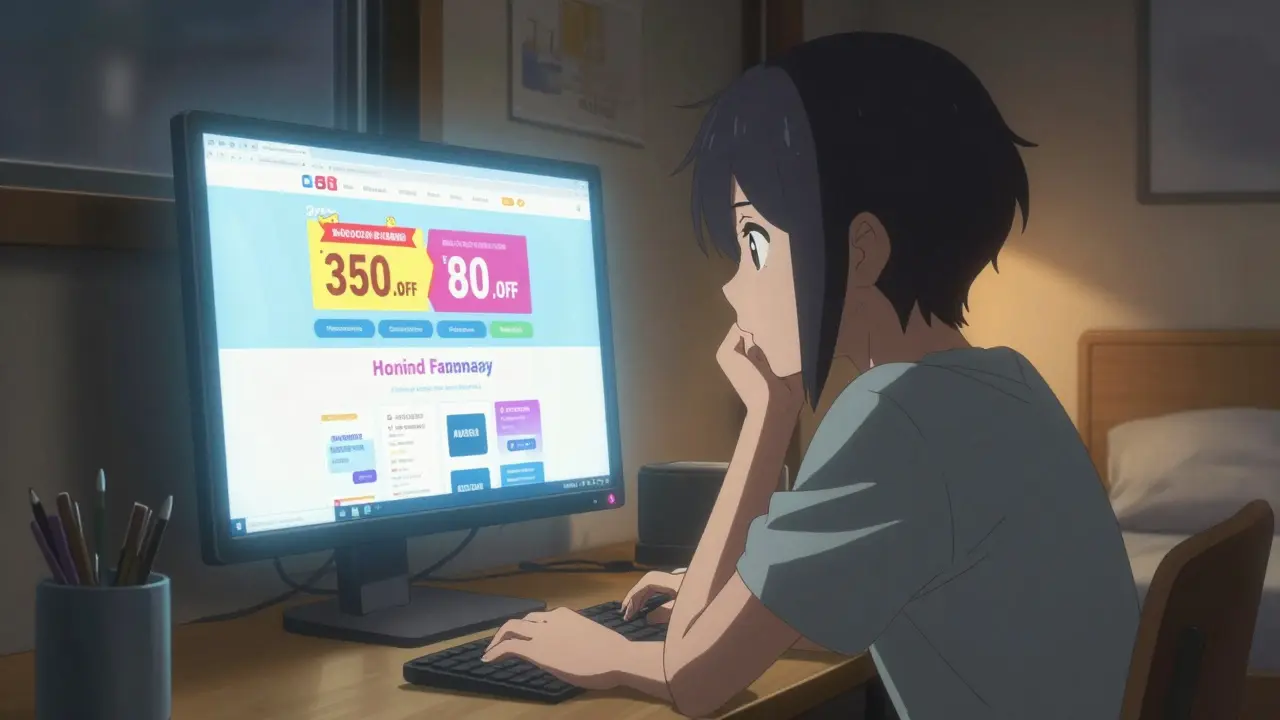
Most people encounter fakes through "rogue" online pharmacies. These sites are designed to look professional, often using similar templates, quotes, and trust badges to mimic legitimate health services. If you're shopping online, keep these rules of thumb in mind:
- The Domain Check: Look for the ".pharmacy" extension. The NABP National Association of Boards of Pharmacy manages the .pharmacy Verified Websites Program. Only pharmacies that comply with all licensing laws can use this domain. If a site ends in .net, .biz, or something random, be cautious.
- The Prescription Requirement: Any site that offers to sell you prescription-only generics without requiring a valid prescription is operating illegally. Legitimate pharmacies will never bypass this step.
- Price Points: If the price is "too good to be true," it probably is. While generics are cheaper than brands, extreme discounts often signal a counterfeit source.
- Physical Presence: Verify that the pharmacy has a real physical address and a working phone number. Many scam sites use fake addresses or only provide an email contact form.
Visual and Physical Red Flags
Once the medication arrives, you aren't out of the woods yet. While experts like Amy Callanan from Pfizer a global pharmaceutical company warn that laboratory testing is the only 100% sure method, there are "tells" you can look for.
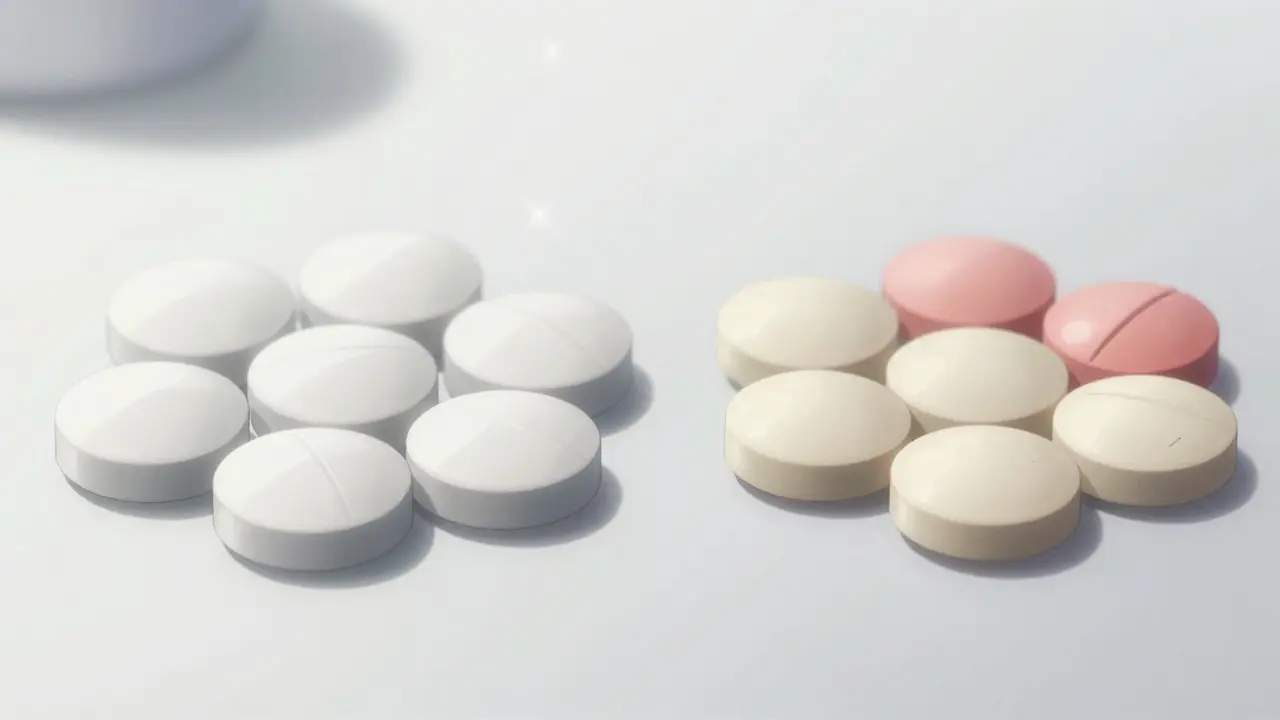
First, perform a side-by-side comparison. If you have a previous batch of the same generic medication, compare the new package. Look for differences in font style, colors, or spelling errors in the manufacturer's name. Check the pill itself: is the color slightly off? Is the size different? Is the imprint blurry?
Pay attention to how the medication behaves. Some users on forums like Reddit have reported that fake erectile dysfunction pills dissolved instantly in water, whereas the authentic version took over 20 minutes. If your medication feels "chalky," smells strange, or causes an unusual burning sensation-like some reported cases of fake Muro 128 eye drops-stop using it immediately.
| Feature | Legitimate Generic | Potential Counterfeit |
|---|---|---|
| Website Domain | .pharmacy or verified health portal | .biz, .net, or obscure extensions |
| Prescription | Mandatory and verified | Optional or not required |
| Packaging | Consistent fonts, clear lot numbers | Typos, faded ink, mismatched colors |
| Physical Pill | Uniform color and sharp imprint | Irregular shape, blurred text, off-color |
| Effect | Predictable therapeutic response | No effect or unexpected side effects |
The Tech Behind the Fight
While you can't carry a lab in your pocket, the industry is fighting back with some impressive tech. Pharmaceutical giants like GlaxoSmithKline and Johnson & Johnson use a layered security approach combining overt and covert technologies.
Overt technologies are things you can see, like holograms and color-shift inks that change when you tilt the box. Covert technologies are invisible to the naked eye, such as RFID Radio Frequency Identification technology for tracking items labels and UV-sensitive inks. More recently, "intelligent packaging" featuring AI-embedded QR codes allows regulators and consumers to verify the product's journey through the supply chain.
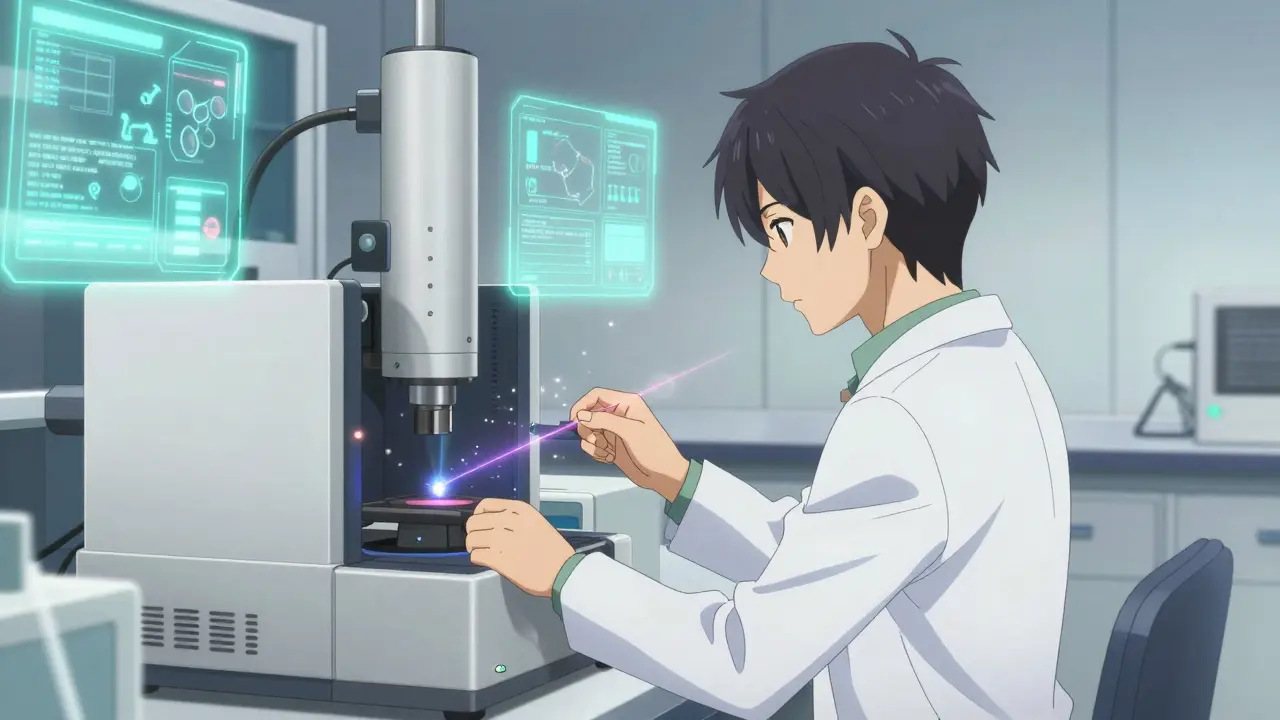
In the lab, scientists use Raman Spectroscopy a non-destructive chemical analysis technique using laser light to get an immediate "yes/no" on authenticity. For a deeper dive, they use X-ray diffraction to find fillers like crushed drywall that a simple visual check would miss.
What to Do If You Suspect a Fake
If you suspect your medication is a counterfeit, do not take another dose. Your first step should be to contact your healthcare provider to report any side effects. Next, call the original pharmaceutical company. They track complaints and lot numbers, and they can often tell you if the specific batch you have is legitimate or a known fake.
You should also report the incident to the FDA Food and Drug Administration or your local health authority. Reporting these scams helps systems like the GSMS Global Surveillance and Monitoring System alert other countries and pharmacies, potentially saving lives.
Can I trust a generic if it looks exactly like the brand name?
Not necessarily. High-quality counterfeiters use professional pill presses and dies to perfectly replicate imprints. Visual similarity is a good sign, but it isn't a guarantee of safety. The most important factor is where you bought it.
Are generic drugs usually more prone to being fake?
Not inherently, but the *market* for generics is where many scams happen. Because people seek out generics to save money, scammers create fake "discount pharmacies" to lure in budget-conscious shoppers.
What is the safest way to buy medication online?
Only use pharmacies with the .pharmacy domain or those verified by the NABP. Ensure the pharmacy requires a prescription, has a licensed pharmacist available for consultation, and provides a physical address and phone number.
What are the risks of taking a counterfeit pill?
The risks range from zero efficacy (the pill does nothing, meaning your condition goes untreated) to severe toxicity. Some fakes contain dangerous fillers like drywall or lethal amounts of fentanyl.
How can I tell if my medication is not working?
If you've followed your dosage correctly but experience no improvement in symptoms, or if you suddenly feel new, unusual side effects, contact your doctor. A lack of efficacy is one of the most common ways counterfeits are discovered.
Next Steps for Your Safety
If you are currently using a generic medication from an online source you aren't 100% sure about, start by checking the domain of the website. If it's not a verified ".pharmacy" site, contact your doctor to discuss switching to a trusted local pharmacy. For those in high-risk areas, consider using apps that verify QR codes on packaging to add an extra layer of security. Your health is worth more than a few dollars saved on a risky website.
Comments
Totally agree! It's all about staying safe and looking out for each other. If anyone is feeling overwhelmed by the options, just take it one step at a time and always talk to your doc first! 😊✨
The sheer audacity of some people to think they can just "eye-ball" a pill and know it's safe is absolutely staggering. I mean, honestly, if you don't understand the molecular stability of the active ingredient, you're basically playing Russian roulette with your internal organs. It's simply tragic that we have to explain basic chemical literacy to the masses in the 21st century. Absolutely farcical!
Oh look, another guide telling us how to avoid being poisoned by the very systems designed to "care" for us. How quaint that we think a .pharmacy domain is a magic shield against corporate greed and incompetence. Truly a peak example of human optimism.
The real joke is that these "global supply chains" are just a way for foreign entities to dump their trash on American citizens. Why are we even importing these things? We should be producing everything here, under OUR laws, not trusting some NGO in Geneva to tell us what's safe. The deep state probably loves these rogue pharmacies because it keeps the population sick and desperate. Wake up people!
It is so interesting to think about how our desire for accessibility often clashes with the necessity of regulation, and while it's terrifying that people are risking their lives for a cheaper price, perhaps this is a symptom of a larger systemic failure in how we value healthcare as a human right rather than a commodity. I feel like we should all strive to support a more transparent system where the patient is empowered with knowledge without being terrified of their own medicine, because ultimately, the goal is collective wellness and a shared understanding of the risks we take in a digital age.
tbh its just wild how some people fall for the obvious scams anyway like just look at the url lol
I bet the govrment knows exactly where these fake pills are comin from but they dont care cuz they probably make money off the taxes or some garbage like that and its just plain wrong that honest americans gotta worry if theyre eating drywall just to stay alive when we got the best tech in the world so why is this even happening man its a total joke
I can only imagine how scary it must be to realize you've been taking something fake. Please be gentle with yourselves if you've fallen for this, these sites are designed to be deceptive.
idk why ppl trust the internet anyway just go to a real store its not that hard lol
we all just want to be healthy and safe in this world and maybe if we trust each other more it will be better
RFID tags? Really? Now they can track exactly which pill you take and when! 🙄 It's not about safety, it's about surveillance. They want a digital map of every drug in every home. Don't be fooled by the "tech" talk! 👁️
Imagine being so desperate for a discount that you ignore every single red flag listed here. The level of intellectual bankruptcy required to buy meds from a .biz site is honestly impressive in its own pathetic way.
My country makes best medicine anyway these western rules are just to make money