
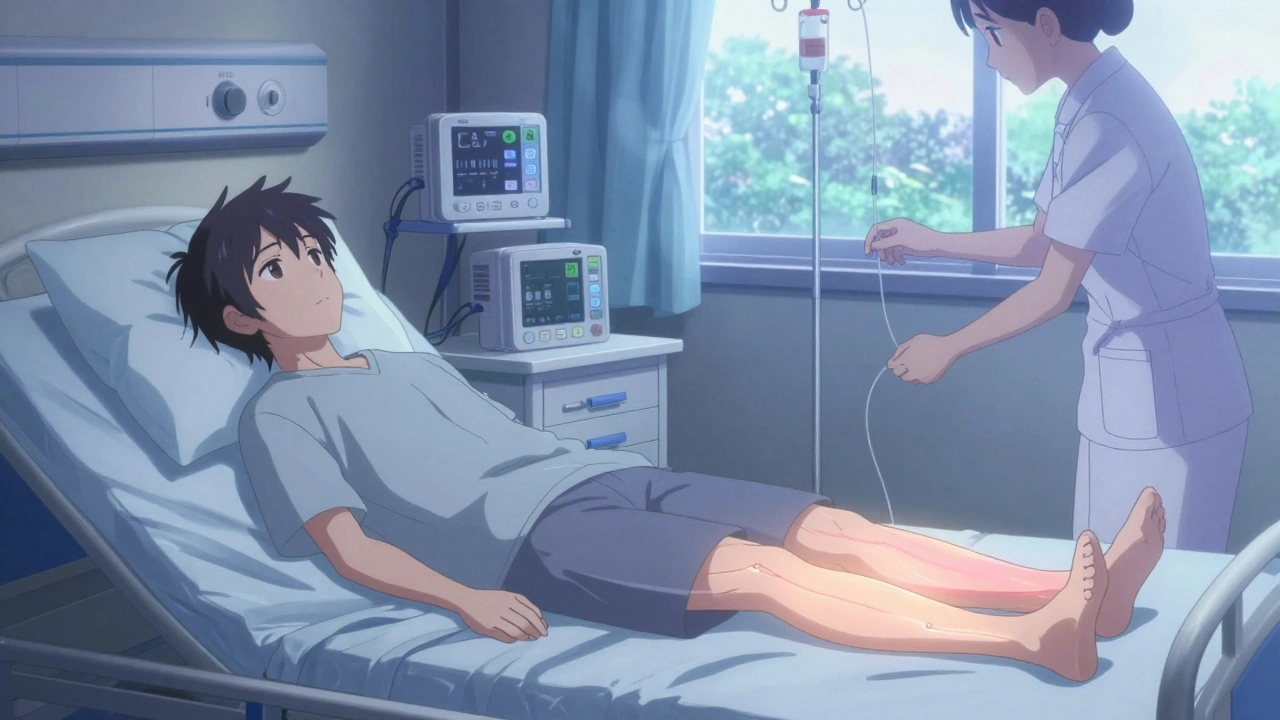
What Is Guillain-Barré Syndrome?
Guillain-Barré Syndrome is a rare but serious autoimmune condition where the body’s immune system mistakenly attacks the peripheral nerves. First identified in 1916 by French doctors Georges Guillain, Jean Alexandre Barré, and André Strohl, it affects about 1 to 2 people per 100,000 each year in the U.S. That’s roughly 3,000 to 6,000 cases annually. It doesn’t discriminate by age or gender, though it’s slightly more common in men and older adults.
The hallmark of GBS is sudden, progressive muscle weakness that usually starts in the legs and moves upward. People often describe it as their feet feeling numb or heavy, then struggling to climb stairs or stand. Within days, the weakness can spread to the arms, face, and even breathing muscles. About 90% of patients reach their worst point within three to four weeks. In severe cases, it can lead to full paralysis-requiring a ventilator to breathe.
What Causes GBS?
GBS isn’t contagious. It almost always follows an infection. The most common trigger in the U.S. is Campylobacter jejuni, a bacteria found in undercooked poultry that causes stomach flu. Around 20% to 40% of GBS cases happen after this infection. Other triggers include cytomegalovirus (CMV), Epstein-Barr virus (EBV), and even the Zika virus. Rarely, it can follow surgery or vaccination, but the risk is extremely low.
The real problem is molecular mimicry. Some parts of these infections look similar to proteins in the nerves. The immune system, fighting off the bug, accidentally targets the myelin sheath-the protective coating around nerves. This slows or blocks nerve signals, causing weakness. The most common subtype, Acute Inflammatory Demyelinating Polyradiculoneuropathy (AIDP), makes up 90% of cases in North America and Europe.
How Is GBS Diagnosed?
There’s no single blood test for GBS. Diagnosis relies on symptoms, physical exam, and a few key tests. Doctors look for symmetrical weakness that’s getting worse over days, along with absent reflexes-like the knee-jerk reflex-which is almost always gone in GBS.
A spinal tap (lumbar puncture) often shows high protein levels in the cerebrospinal fluid without an increase in white blood cells. This unusual mix is called albuminocytological dissociation and appears in about 80% of cases by the second week.
Nerve conduction studies are critical. They measure how fast signals travel through nerves. In AIDP, the signals are slow or blocked, confirming demyelination. These tests help rule out mimics like myasthenia gravis or botulism, which can look similar but need totally different treatments. Misdiagnosis happens in 5% to 10% of cases, so getting these tests done within 72 hours of admission is essential.
Why IVIG Is the First-Line Treatment
There are two main treatments for GBS: intravenous immunoglobulin (IVIG) and plasma exchange. Both work by calming the overactive immune system, but IVIG is now the preferred first choice in most hospitals.
IVIG is made from pooled antibodies from thousands of healthy donors. When given in high doses-0.4 grams per kilogram of body weight daily for five days-it floods the bloodstream with healthy antibodies that interfere with the harmful ones attacking the nerves. Studies show it cuts recovery time by about half compared to just supportive care.
One major advantage? It’s simple. IVIG just needs a regular IV line in your arm. Plasma exchange requires a central line, a machine to filter your blood, and carries higher risks like infection or clotting. A 2019 study in JAMA Neurology found IVIG and plasma exchange were equally effective at improving movement after four weeks-but patients reported much higher satisfaction with IVIG because it was less invasive.

How Effective Is IVIG? Real Results
IVIG doesn’t cure GBS, but it speeds up recovery. Clinical trials show that within two to four weeks, about 60% of patients on IVIG start showing improvement-like being able to wiggle their toes or lift their legs-compared to only 40% in untreated groups.
One big win: IVIG helps people walk again faster. On average, patients treated with IVIG regain the ability to walk independently about three weeks sooner than those who don’t get it. For someone paralyzed and in a hospital bed, those three weeks mean the difference between months of bed rest and a faster return to daily life.
But timing matters. The earlier you start IVIG, the better. Experts say the window for maximum benefit is within 7 to 14 days of symptom onset. Each day’s delay can reduce effectiveness by about 5%. That’s why hospitals now push for rapid diagnosis and treatment.
Side Effects and Risks of IVIG
IVIG is generally safe, but it’s not without risks. About 25% of patients get headaches during or right after the infusion. Some describe them as intense-like a vice squeezing their skull. Fever, chills, and nausea are also common, affecting 15% to 20% of people.
More serious, but rare, complications include blood clots, kidney damage, and allergic reactions. People with IgA deficiency are at risk of life-threatening anaphylaxis because IVIG contains trace amounts of IgA. That’s why screening is done before treatment.
Kidney issues happen in about 1% to 3% of cases, especially in older patients or those with diabetes or dehydration. In rare instances, like one reported case on a patient forum, IVIG triggered acute renal failure requiring dialysis. That’s extremely uncommon-seen in about 0.5% of cases-but it’s something doctors monitor closely.
IVIG vs. Plasma Exchange: What’s the Difference?
Here’s how the two main treatments compare:
| Feature | IVIG | Plasma Exchange |
|---|---|---|
| Administration | IV drip over 5 days | 5 sessions over 1-2 weeks, requires central line |
| Effectiveness at 4 weeks | Equal to plasma exchange | Equal to IVIG |
| Common side effects | Headache (25%), fever (15%) | Low blood pressure (30%), infection risk (15%) |
| Cost (U.S., 2025) | $15,000-$25,000 per course | $20,000-$30,000 per course |
| Best for | Most patients, especially those with mild-moderate symptoms | Severe cases needing faster action, or if IVIG is unavailable |
| Contraindications | IgA deficiency, severe kidney disease | Severe heart disease, unstable blood pressure |
Plasma exchange removes the bad antibodies directly from the blood. It can act faster, which is why it’s sometimes used in patients with rapid breathing failure. But it’s more complex, requires specialized equipment, and has higher complication rates. For most people, IVIG is the better choice.
What About Steroids or Other Treatments?
Many assume steroids like prednisone might help. But multiple large studies have shown they don’t. A 2017 Cochrane review analyzed over 1,000 patients and found no benefit in recovery time or strength improvement with steroids. They’re not recommended for GBS.
There’s no cure yet. IVIG and plasma exchange are the only proven treatments. But research is moving forward. A 2022 trial of eculizumab, a drug that blocks part of the immune system’s complement cascade, showed a 30% faster recovery in early-stage GBS. It’s still experimental but holds promise.
Scientists are also studying anti-ganglioside antibodies, which appear in 65% of axonal GBS variants. These may help predict who responds best to treatment-and who might need more aggressive care.
Recovery and Long-Term Outlook
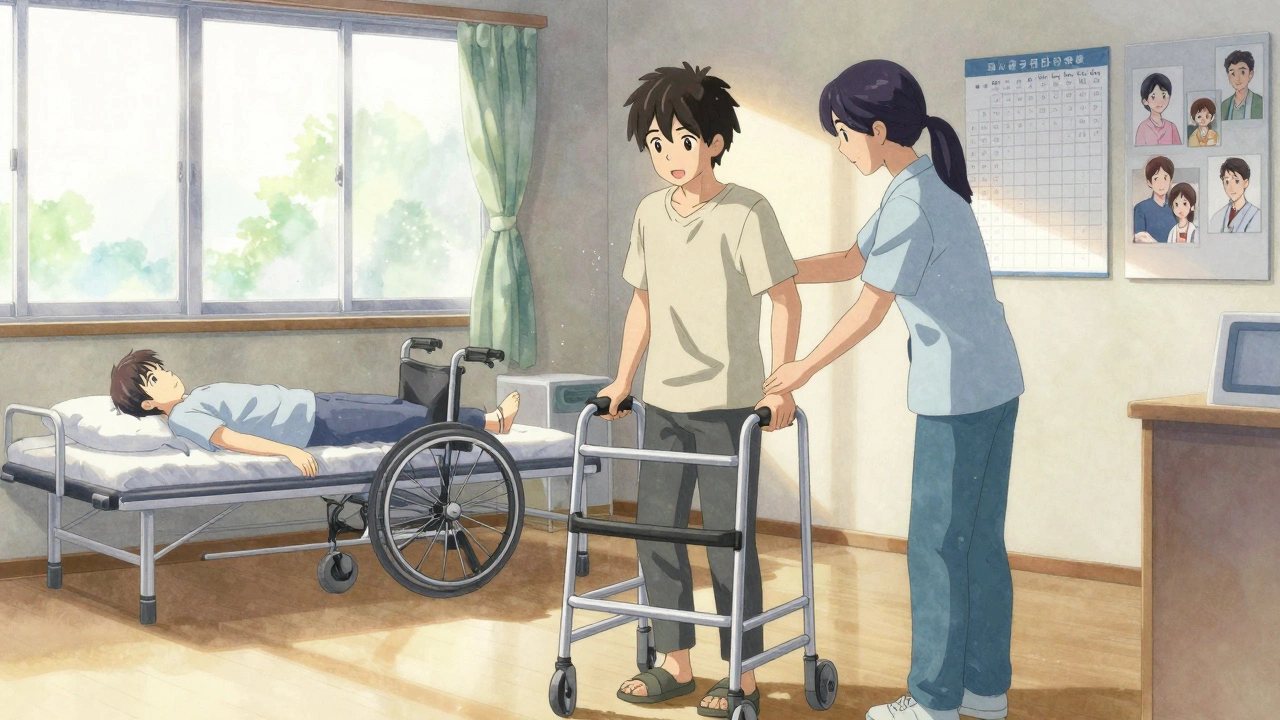
Recovery from GBS is slow. Even with IVIG, it can take months. About 60% of patients recover fully within 6 to 12 months. Another 30% have some lasting weakness-maybe trouble climbing stairs or lifting heavy objects-and may need walkers or canes. About 10% remain severely disabled after a year.
One patient on a support forum shared: “IVIG started on day 5. By day 12, I could wiggle my toes. Day 18, I stood with help.” That’s typical. Progress is often gradual, with good days and bad days.
Autonomic instability-fluctuating heart rate and blood pressure-affects 65% of severe cases. That’s why patients are monitored in intensive care units, not regular wards. Heart rhythm problems can be deadly if missed.
Long-term, the economic burden is heavy. Average hospital costs in the U.S. are around $85,000 per case. For those with lasting disability, lifetime costs can exceed $500,000. That’s why early, effective treatment isn’t just about health-it’s about reducing lifelong financial strain.
What Happens After IVIG?
IVIG doesn’t end the journey. Rehabilitation starts immediately. Physical therapy helps rebuild strength. Occupational therapy teaches new ways to do daily tasks. Speech therapy is needed if swallowing or speaking is affected.
Patients are often discharged with home care plans, including regular follow-ups with neurologists and therapists. Many benefit from outpatient rehab for 6 to 12 months. Psychological support is also crucial-depression and anxiety are common after such a life-changing illness.
There’s no known way to prevent GBS. But staying up to date on vaccines, practicing food safety to avoid Campylobacter, and seeking medical help fast at the first sign of weakness can make all the difference.
Can Guillain-Barré Syndrome come back?
Most people have only one episode of GBS. Recurrence is rare-about 3% to 5% of cases. When it does happen, it’s usually years later. Some patients with persistent symptoms may be diagnosed with CIDP (chronic inflammatory demyelinating polyneuropathy), a related but longer-lasting condition that requires ongoing treatment.
How long does IVIG treatment last?
The standard IVIG course for GBS is five daily infusions. Each infusion takes 2 to 6 hours, depending on body weight and tolerance. The effects last weeks to months, but the goal is to stop the immune attack, not provide long-term suppression. Most patients don’t need repeat doses unless they relapse.
Is IVIG safe during pregnancy?
Yes. IVIG is considered safe in pregnancy and is sometimes used to treat autoimmune conditions in expectant mothers. There’s no evidence it harms the fetus. However, GBS during pregnancy is extremely rare, and treatment decisions are made carefully by a team including neurologists and obstetricians.
Can you get GBS from a vaccine?
Extremely rarely. In the 1976 swine flu vaccine, there was a small increased risk-about 1 extra case per 100,000 doses. Since then, studies of flu, HPV, and COVID-19 vaccines have shown no consistent link. The risk of getting GBS from the actual infection (like flu or COVID) is far higher than from the vaccine.
Why is GBS more dangerous in older adults?
Older adults have weaker immune systems and often have other health problems like diabetes or heart disease. They’re more likely to develop severe weakness, breathing problems, and autonomic instability. Recovery is slower, and complications like pneumonia or blood clots are more common. That’s why early treatment and close monitoring are even more critical for this group.
What’s Next for GBS Treatment?
The future is promising. The International GBS Outcome Study (IGOS), tracking 1,500 patients across 30 countries, is testing whether starting IVIG within 72 hours-instead of 7 days-improves long-term outcomes. Early data suggests a 15% boost in recovery speed.
Subcutaneous immunoglobulin, already approved for CIDP, may one day offer a home-based option for maintenance therapy. And drugs like eculizumab, which target specific immune pathways, could become standard for severe cases.
But for now, IVIG remains the gold standard. It’s not perfect, but it saves lives, speeds recovery, and gives people back their independence. The key is recognizing the signs early and acting fast.
Comments
I've seen this play out in my brother's case. He was diagnosed after a bad case of food poisoning. The progression was terrifying - one day he could walk, the next he couldn't lift his arms. IVIG started on day 6, and by day 10, he could wiggle his toes. It wasn't magic, but it was the difference between months in bed and coming home. Recovery is slow, but it's real.
Ah yes, the $20,000 IVIG infusion - because nothing says 'modern medicine' like injecting pooled human antibodies like some kind of biological cocktail. Meanwhile, the CDC still can't tell us why 40% of cases follow Campylobacter, but they'll happily slap a vaccine mandate on your arm. Fascinating.
I just wanted to say I really appreciate how thorough this breakdown is. I’ve been researching this since my aunt had it last year, and the comparison table between IVIG and plasma exchange was super helpful. The part about kidney risks in diabetics was something I hadn’t seen elsewhere - thanks for including that.
Key point: early intervention = better outcomes. The 5% effectiveness drop per day is critical. If you're seeing ascending weakness after an infection - even mild diarrhea or a sore throat - get to a neurologist. Don't wait for 'it gets worse.' That window is narrow, and every hour counts. Physical therapy should start on day one, even if you're in ICU.
You know what they don't tell you? That IVIG comes from blood banks that get donations from prisoners and undocumented workers. And the 'healthy donors'? Half of them have been exposed to Lyme or Epstein-Barr. You're injecting a soup of unknown antibodies into your nervous system. And they call it 'medicine.' I saw a guy in Australia go blind after IVIG. No one talks about that.
The utility of this exposition is undeniably commendable. However, one must query the absence of a formal citation for the 2022 eculizumab trial referenced. Without peer-reviewed source attribution, the assertion risks appearing as anecdotal rather than evidence-based. A more rigorous scholarly apparatus would elevate the discourse.
bro this is wild. i had no idea gbs could come after a flu shot. like... i got the flu shot last year and got sick for a week. was that it?? 😅 i feel like we're being lied to about vaccines. but also, ivig sounds like magic fairy dust. why isn't this in every hospital? why do we wait? someone needs to make a viral tiktok about this. #gbsawareness
Let’s be honest: IVIG isn’t a treatment - it’s a profit engine. $25,000 per course? And you’re telling me it’s ‘just antibodies’? Where do these antibodies come from? Who gets paid? Who’s getting rich off people who got sick from undercooked chicken? And why is plasma exchange cheaper in Europe? This isn’t medicine - it’s a cartel. And don’t get me started on how they ignore the autoimmune cascade entirely and just ‘flood’ the system. Pathetic.
Start IVIG early. Watch for breathing changes. Get rehab fast.