

Esketamine Monitoring Protocol Simulator
Simulation Controls
Experience the 2-hour mandatory observation period required by the FDA.
Observation Timeline
Pre-Administration Assessment
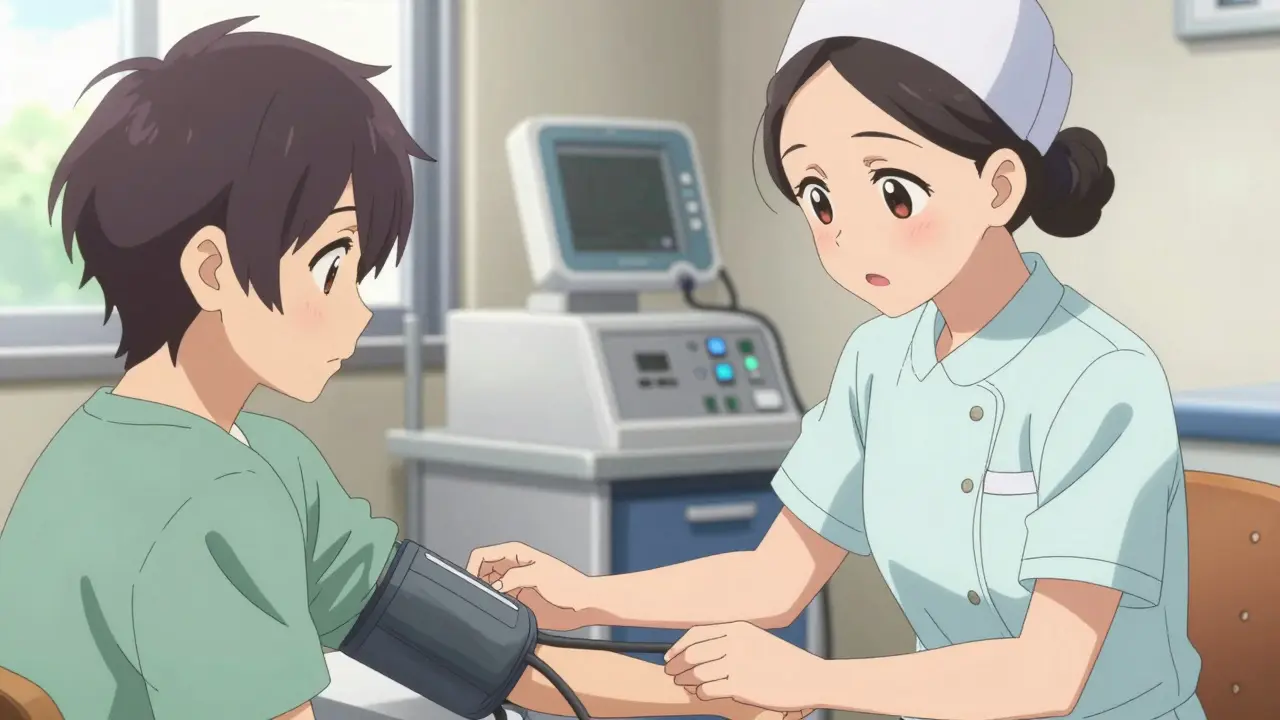
Nurse checks baseline vitals. If systolic >160 or diastolic >100, treatment is postponed.
Dose Administration
Patient self-administers spray in a quiet room. Two sprays given 5 minutes apart.
Peak Plasma Concentration
Maximum drug effect occurs. Dissociation peaks. Blood pressure typically highest here.
Recovery Phase
Vital signs return to baseline. Patient alertness improves. Staff assesses readiness for discharge.
Discharge Criteria Met
If stable, patient is cleared to leave with a responsible escort. Driving is prohibited.
Imagine a treatment that can lift the fog of severe depression in hours, not weeks. That is the promise of Esketamine Nasal Spray, known commercially as Spravato. It is a breakthrough medication for treatment-resistant depression that works differently from traditional antidepressants by targeting glutamate receptors rather than serotonin or dopamine.
However, this rapid relief comes with a heavy price tag in terms of safety protocols. You cannot simply buy this at a pharmacy and take it home. The drug causes significant short-term side effects, primarily dissociation and sharp increases in blood pressure. Because of these risks, the U.S. Food and Drug Administration (FDA) mandates that it be administered only in certified healthcare settings under strict observation. Understanding how these side effects work and why the monitoring is so rigorous is crucial for anyone considering this treatment.
How Esketamine Works Differently
To understand the side effects, you first need to understand the mechanism. Most antidepressants target monoamines like serotonin. Esketamine, however, is an N-methyl-D-aspartate (NMDA) receptor antagonist. It blocks specific receptors in the brain, particularly those on GABAergic interneurons. This blockage leads to a surge in glutamate, a neurotransmitter associated with learning and memory.
This surge creates new neural connections rapidly, which is believed to reverse the synaptic loss seen in chronic depression. But this intense neurological activity also triggers the acute psychological and physiological reactions we see as side effects. The drug has high bioavailability when sprayed nasally, reaching peak plasma concentration in just 20 to 40 minutes. This speed is what makes it effective, but it also means the side effects hit hard and fast.
Understanding Dissociation
Dissociation is the most talked-about side effect of esketamine. In clinical trials, over 56% of patients reported experiencing some form of dissociation compared to about 14% in the placebo group. But what does that actually feel like?
Patients often describe it as feeling detached from their body, like they are floating above themselves. Others report a sense of unreality, where the clinic room looks distorted or time seems to warp. Some experience mild hallucinations or confusion. These symptoms typically peak around 40 minutes after administration-the same time the drug reaches its maximum concentration in your blood-and usually resolve within 1.5 to 2 hours.
The severity varies. While most cases are mild to moderate, about 6% of patients experience severe dissociation. Interestingly, many users report that the intensity of dissociation decreases with repeated treatments. A common theme in patient forums is that the first few sessions are the hardest, but subsequent doses become more manageable as the body adjusts.
Blood Pressure Elevations
While dissociation affects the mind, esketamine also impacts the body, specifically cardiovascular health. Transient hypertension is a well-documented effect. Studies show that systolic blood pressure can rise by 14 to 23 mmHg, and diastolic pressure by 7 to 16 mmHg shortly after administration.
About one-third of patients experience treatment-emergent hypertension, defined as a systolic reading of 140 mmHg or higher, or a diastolic reading of 90 mmHg or higher. For most people, this spike is asymptomatic-you might not even feel it. However, for individuals with pre-existing heart conditions, uncontrolled hypertension, or a history of aneurysms, this poses a genuine risk.
This is why screening is so critical. Patients with uncontrolled high blood pressure (systolic >160 mmHg or diastolic >100 mmHg) are generally excluded from treatment. The goal is to ensure that the temporary spike does not trigger a cardiac event.
| Side Effect | Esketamine Group (%) | Placebo Group (%) | Typical Duration |
|---|---|---|---|
| Dissociation | 56.2% | 13.9% | 1.5 - 2 hours |
| Hypertension (SBP ≥140) | 32.7% | 14.2% | Resolves within 2 hours |
| Dizziness | ~40% | ~15% | 1 - 2 hours |
| Nausea | ~20% | ~10% | Variable |
The REMS Program and Monitoring Protocols
Because of these risks, the FDA approved esketamine under a Risk Evaluation and Mitigation Strategy (REMS). This is not just a suggestion; it is a legal requirement. You cannot prescribe or administer Spravato unless your clinic is certified.
Here is what the monitoring process looks like in practice:
- Pre-Administration Assessment: Before you get the spray, a nurse checks your blood pressure, heart rate, and oxygen saturation. If your blood pressure is too high, the dose is postponed.
- Administration: You self-administer the spray in a quiet, calm room. There are two sprays given five minutes apart.
- Intensive Monitoring (First 40 Minutes): Vital signs are checked every 5 to 10 minutes. Staff watch for signs of severe dissociation or sedation.
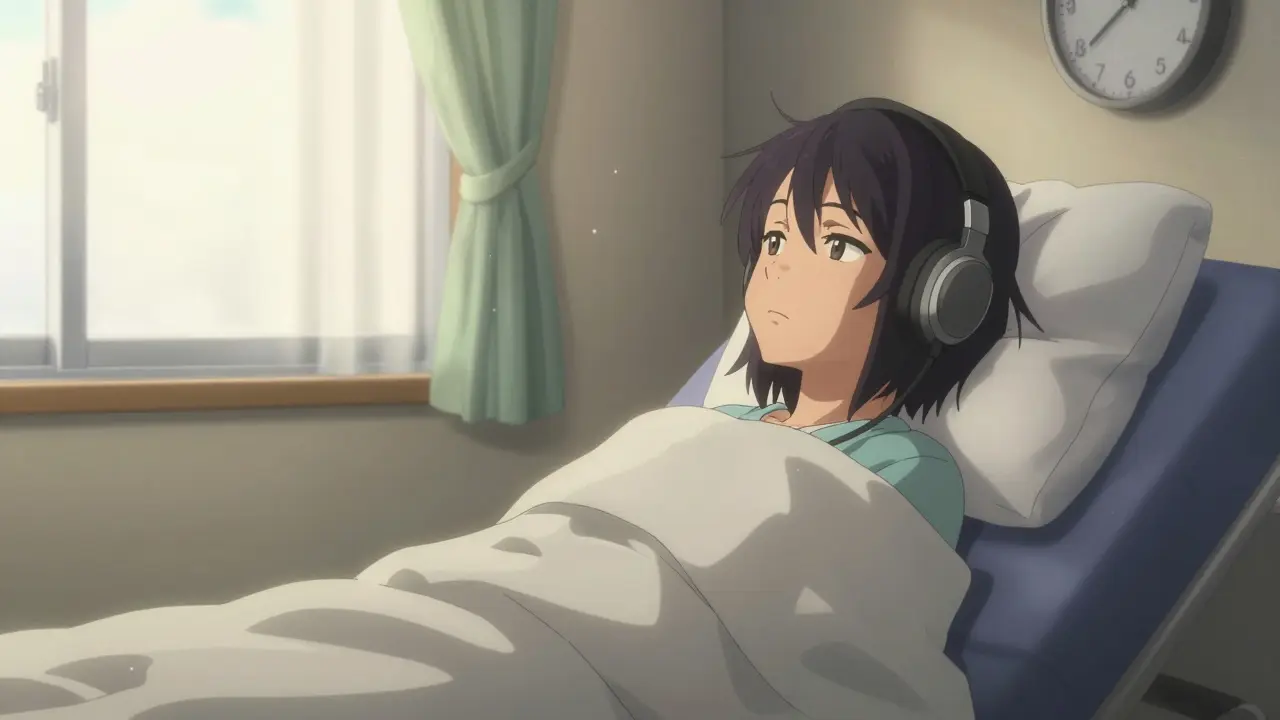
- Continued Observation (Up to 2 Hours): After the initial peak, monitoring continues until your vital signs return to baseline and you are alert enough to leave safely. You cannot drive yourself home.
Clinics must have emergency equipment on hand, including oxygen and resuscitation gear. They also keep benzodiazepines available as rescue medication for severe agitation or dissociation, though this is rarely needed.
Patient Experiences and Practical Tips
What is it really like to go through this? Patient reviews on platforms like Healthgrades and Reddit offer a window into the real-world experience. Many patients appreciate the structured environment. Knowing that staff are trained to handle dissociation reduces anxiety.
Some practical tips from experienced users include:
- Bring a Comfort Item: Noise-canceling headphones or a soft blanket can help manage sensory overload during dissociation.
- Plan Your Schedule: Factor in the full 2-hour window plus travel time. Do not schedule meetings immediately after.
- Communicate Early: Tell your provider if you have a history of psychosis or severe hypertension. Honesty ensures safer care.
- Expect Adjustment: If the first session feels intense, remember that tolerance often builds. Many patients find later sessions much easier to handle.
Access remains a challenge. While there are over 2,800 certified centers in the U.S., rural areas still face shortages. However, recent developments suggest that monitoring protocols may become slightly more flexible for stable patients, potentially reducing the required observation time from two hours to one hour in select cases.
Is It Worth the Hassle?
For patients who have failed multiple other antidepressants, the answer is often yes. The rapid onset of action can be life-saving. Experts like Dr. John Krystal argue that the structured monitoring creates a safe container for a powerful therapy. The key is finding a certified provider who takes the time to educate you and make you comfortable.
The side effects are real, but they are transient. They do not last all day, nor do they accumulate over time. With proper monitoring, the risks are managed effectively, allowing the therapeutic benefits to shine through.
Can I take Esketamine at home?
No. Esketamine nasal spray (Spravato) must be administered in a certified healthcare setting. You are monitored for at least two hours after each dose due to risks of dissociation and blood pressure spikes. You cannot drive yourself home.
How long does dissociation last?
Dissociation typically peaks within 40 minutes of administration and resolves within 1.5 to 2 hours. Most patients feel back to normal before leaving the clinic.
Does Esketamine permanently raise blood pressure?
No. The increase in blood pressure is transient and acute. It occurs shortly after dosing and returns to baseline within a few hours. Long-term studies have not shown cumulative damage to blood pressure regulation.
Who should avoid Esketamine?
People with uncontrolled hypertension, a history of aneurysms, arteriovenous malformations, or recent myocardial infarction should generally avoid this treatment. Those with a history of psychosis or substance use disorder require careful evaluation.
Will the dissociation get worse over time?
Usually, the opposite happens. Many patients report that dissociation becomes less intense with repeated treatments as their body develops a tolerance to the psychoactive effects.
What is the REMS program?
REMS stands for Risk Evaluation and Mitigation Strategy. It is an FDA-mandated safety program that requires prescribers and pharmacies to be certified, and patients to be monitored, to ensure the safe use of Esketamine.