
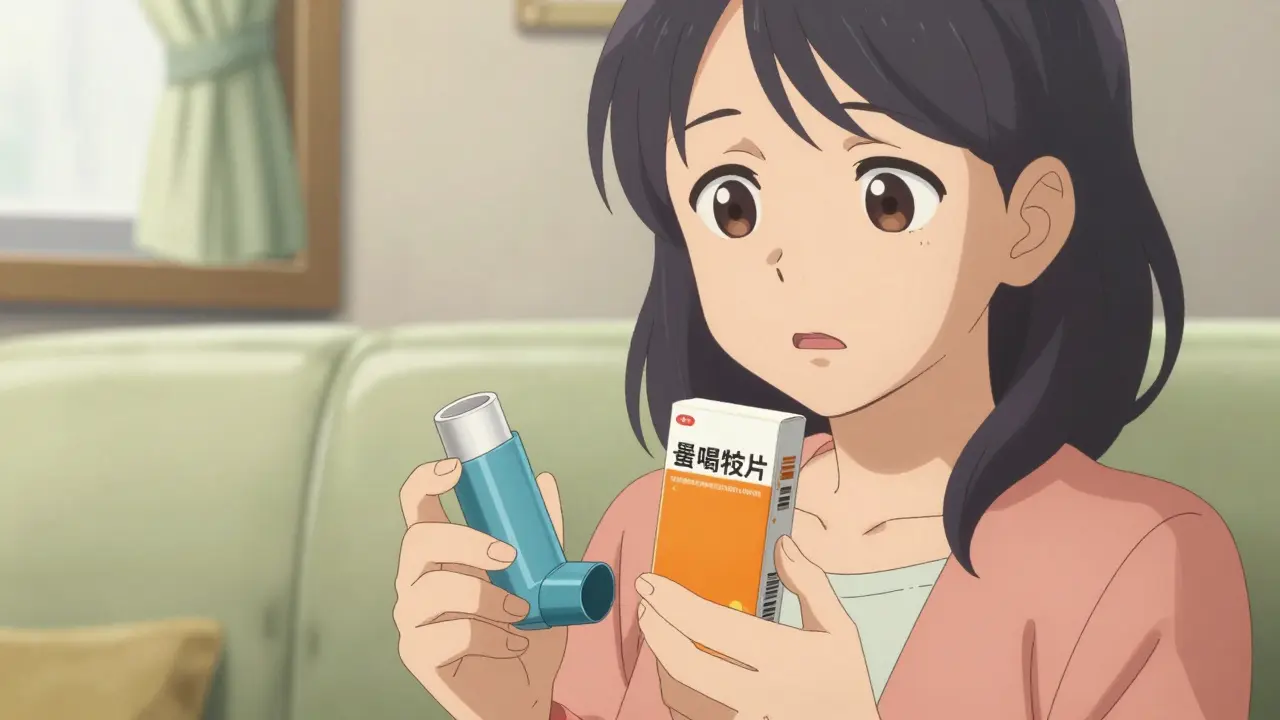
Imagine your child has been stable on a specific asthma inhaler or heart medication for months. Then, suddenly, the pharmacy hands you a box that looks different. The color changed. The shape is slightly off. Or worse, it’s a completely different brand name because your insurance decided to switch brands to save money. This isn’t just a cosmetic annoyance; it can be a medical risk.
This practice, known as non-medical formulary switching (NMFS), is becoming increasingly common. Insurers use it to limit coverage to drugs they can negotiate at a lower price. While this saves billions in healthcare costs, it creates unique challenges for children. Unlike adults, kids are not simply small versions of grown-ups. Their bodies metabolize drugs differently, and their ability to take medication-especially complex devices like inhalers-is highly sensitive to changes in packaging or formulation.
The Myth of "Identical" Drugs
We often hear that generic drugs are identical to brand-name medications. In many cases, they are close enough. But when it comes to children, "close enough" can sometimes mean "not safe."
Bioequivalence is the FDA standard requiring generic drugs to have blood concentration levels within 80-125% of the brand-name drug. For most adult medications, this range is acceptable. However, for drugs with a Narrow Therapeutic Index (NTI), which means there is a very small difference between a helpful dose and a harmful one, this variance is dangerous.
Consider tacrolimus, a drug used to prevent organ rejection in transplant patients. A study by Duong et al. (2015) published in *Pediatric Transplantation* found that pediatric heart transplant recipients experienced an average 14% drop in blood trough concentration after switching from the brand-name Prograf to a generic version. That drop significantly increased the risk of organ rejection. For a child, whose body is still developing and changing rapidly, such fluctuations can be life-threatening.
Why Children Are Different: Physiology Matters
The regulatory frameworks we rely on were built for adults. The Hatch-Waxman Act of 1984 established the rules for generic approval, but these standards were primarily developed using adult data. Children’s physiology presents distinct hurdles.
Take proton pump inhibitors (PPIs) like omeprazole, often prescribed for acid reflux. These drugs are cleared mostly by the enzyme CYP2C19. In adults, this enzyme works consistently. But in infants under three months old, this metabolic pathway is not yet mature. As noted in FDA materials from 2017, substituting a generic omeprazole suspension for the brand-name Prevacid in a three-month-old may produce different therapeutic outcomes, even if they are considered equivalent for adults. The developmental differences in drug metabolism pathways mean that a "safe" switch for a teenager might be ineffective or toxic for an infant.
- Metabolic Immaturity: Enzymes like CYP3A4 and CYP2C19 mature at different rates during childhood.
- Dosing Precision: Children require weight-based dosing, making small variances in drug absorption more impactful.
- Formulation Sensitivity: Kids cannot swallow pills easily; liquids and suspensions must be palatable and consistent.
The Hidden Cost of Confusion
It’s not just about chemistry; it’s about behavior. Asthma affects approximately 6.2 million US children (CDC 2022). For these kids, daily medication adherence is critical. Research from PolicyLab at Children's Hospital of Philadelphia shows that adherence rates drop by 15-20% following formulary switches. Why? Caregiver confusion.
When a medication’s color, shape, or size changes, parents worry they might give the wrong dose. They might hesitate to administer the new drug until they’ve checked with a doctor, delaying treatment. For inhalers, the issue is even more physical. If the device mechanism changes, the technique required to get the medicine into the lungs changes too. Technique errors can reduce drug delivery by 50-80%. Pharmacists need to teach families how to use the new device before dispensing it, yet this step is often skipped in the rush of a pharmacy transaction.
Regulatory Gaps and State Variations
If you think medication laws are uniform across the country, think again. A 2020 JAMA Internal Medicine cohort study examined all 50 states and Washington, DC, finding substantial variation in generic substitution rules.
| Requirement Type | Number of States | Impact on Pediatric Care |
|---|---|---|
| Pharmacist Required to Substitute | 19 | High risk of unannounced switches; caregiver confusion likely. |
| Patient Consent Required | 7 + DC | Lower substitution rates (25% lower); better control for parents. |
| Patient Notification Mandated | 31 + DC | Moderate protection; ensures awareness but doesn't stop the switch. |
In states where patient consent is required, generic substitution rates are 25% lower. This suggests that giving parents a voice directly impacts medication stability. Yet, for millions of children, especially those on Medicaid or commercial plans with aggressive cost-containment strategies, these protections don’t exist. UnitedHealthcare’s 2021 formulary changes alone affected 4.2 million pediatric beneficiaries, forcing 23% of children with chronic conditions to switch maintenance medications.
Therapeutic Areas of Specific Concern
Not all drug switches carry the same risk. The FDA specifically identifies certain categories as high-risk for pediatric switching. If your child takes medication in any of these areas, you should be extra vigilant:
- Anti-Epileptic Drugs (AEDs): Seizure control requires precise blood levels. Fluctuations can trigger breakthrough seizures.
- Psychoactive Drugs & Antidepressants: Mood stabilizers and ADHD medications have narrow margins for error.
- Cardiac Drugs: Heart rate and rhythm management depend on consistent drug absorption.
- Transplant & Oncology Medications: As seen with tacrolimus, immune suppression and cancer treatments demand exact dosing.
The American Academy of Pediatrics (AAP) notes that switching from brand to generic can present a "lost opportunity" for pediatric research. Because generics are rarely tested in children, we lack robust data on how they perform in young populations compared to their brand-name counterparts.
What Parents and Providers Can Do
You are not powerless in this system. Here are practical steps to protect your child’s health during medication switches:
- Ask for "Dispense as Written": If your child is stable on a specific brand, ask your doctor to mark the prescription "DAW" or "Brand Medically Necessary." This prevents automatic substitution.
- Check the NDC Number: The National Drug Code (NDC) on the box tells you exactly who manufactured the drug. Keep a record of the NDC that works for your child.
- Communicate with Your Pharmacist: Ask if the inactive ingredients (fillers, dyes) have changed. Some children have allergies or sensitivities to specific fillers.
- Monitor Closely After a Switch: If a switch happens, watch for subtle changes in symptoms, side effects, or behavior for the first two weeks.
- Advocate for Formulary Transparency: Contact your insurer’s patient advocate if a switch disrupts care. Document any negative health impacts.
The tension between cost containment and safety is real. Generic drugs saved the U.S. healthcare system $2.2 trillion between 2009 and 2019. That savings is vital. But it shouldn’t come at the expense of a child’s stability. As the FDA’s 2022 Pediatric Formulation Initiative aims to improve availability, we need stricter rules for bioequivalence testing in children, especially for NTI drugs.
Is it safe to switch my child's medication to a generic?
For many medications, yes. However, for drugs with a Narrow Therapeutic Index (NTI) like seizure meds, heart drugs, or transplant immunosuppressants, switching can be risky. Children metabolize drugs differently than adults, so the 80-125% bioequivalence range allowed by the FDA may cause significant clinical differences in kids. Always consult your pediatrician before accepting a switch for high-risk medications.
What is Non-Medical Formulary Switching (NMFS)?
NMFS is when an insurance company forces a change in a patient's medication to a cheaper alternative, usually a generic or a different brand, without a medical reason. It is a cost-containment strategy. For children with chronic conditions like asthma, NMFS can lead to confusion, poor adherence, and worsened health outcomes due to changes in packaging or formulation.
How do I know if my child's generic medication is effective?
Watch for return of symptoms or new side effects. For example, if your child's asthma attacks increase, or if their mood swings worsen on a generic antidepressant, the switch may be the cause. Keep a log of symptoms and blood test results (if applicable) before and after the switch to show your doctor.
Can I refuse a generic substitution for my child?
Yes. You can ask your prescriber to write "Dispense as Written" (DAW) on the prescription. In some states, you also have the right to consent before a substitution occurs. Check your state’s regulations. If your insurer denies coverage for the brand name, you may need to file an appeal citing medical necessity, especially if previous generics failed.
Why are inhalers particularly problematic when switched?
Inhalers are devices, not just medicines. Different brands have different activation mechanisms, spray speeds, and mouthpiece shapes. If a child is used to one device, switching to another without retraining can reduce drug delivery by up to 80%. Pharmacists must provide education on the new device before dispensing it.
Comments
Pharmacies are just greedy. They care about their bottom line not your kid's health. It is disgusting.
Oh great, another reason to hate insurance companies 😒 I switched my son’s inhaler last month and he coughed for a week. Thanks for nothing, Big Pharma 💸
this whole system is broken and we let it happen because we are lazy voters who dont read labels or ask questions its shameful really
The bioequivalence standards are fundamentally flawed when applied to pediatric populations due to ontogeny of hepatic enzymes specifically CYP3A4 which matures postnatally leading to variable pharmacokinetics that the current regulatory framework fails to adequately address resulting in potential therapeutic failure
In India we have similar issues with generic quality but at least the cost is lower 🙏 We need better regulation everywhere to ensure safety without breaking the bank
I have been working as a community health worker for years and seeing this trend increase dramatically across different communities especially in underserved areas where access to consistent care is already limited and these switches add another layer of complexity that families struggle to navigate without adequate support systems in place to help them understand the changes
This is such an important topic! Every parent should know about the DAW option. I always tell my clients to keep a log of their child's symptoms so they can show the doctor if something changes after a switch. You've got this!
You people are hysterical over nothing. The FDA does its job. If generics were truly dangerous they would be banned. This is fear-mongering designed to protect pharmaceutical profits at the expense of ordinary citizens who cannot afford brand name drugs. Grow up.
As a pharmacist, I see this daily. The issue isn't just chemistry; it's device mechanics. An inhaler switch requires retraining. If you don't use it right, you get zero dose. I always try to educate patients but time is short. Please ask us questions.
I feel so much anxiety reading this because I have a toddler with severe asthma and every time we go to the pharmacy I worry about what they will hand me back. It feels like we are constantly walking on eggshells trying to keep our children safe while navigating a system that seems designed to confuse us rather than help us manage chronic conditions effectively
Good info everyone 👍 I didn't realize how big the difference could be for inhalers. Going to check my NDC numbers next time I pick up meds 📝
They want you sick so you keep buying. The generics are laced with microplastics from recycled packaging materials that disrupt endocrine function in developing bodies. Wake up sheeple.
Your emotional outbursts are irrelevant to the scientific discourse. The data presented is anecdotal at best and lacks rigorous statistical significance. To suggest that established regulatory bodies are negligent is a baseless assertion that ignores the extensive clinical trials conducted prior to approval. Cease this misinformation campaign immediately.