
Medication Side Effect Risk Calculator
How Risky Is Your Medication?
Enter the medications you're taking to see estimated risk of sexual side effects. This tool is informational only—always consult your doctor for medical advice.
Estimated Risk:
Based on the medications you selected, you have an estimated risk of experiencing sexual side effects.
Many people don’t realize that the pills they take every day for depression, high blood pressure, or prostate issues can quietly affect their sex life. It’s not rare. It’s not unusual. In fact, sexual side effects from common medications are one of the most frequent reasons people stop taking their prescriptions - even when those drugs are working well for their main condition.
How Common Are Sexual Side Effects?
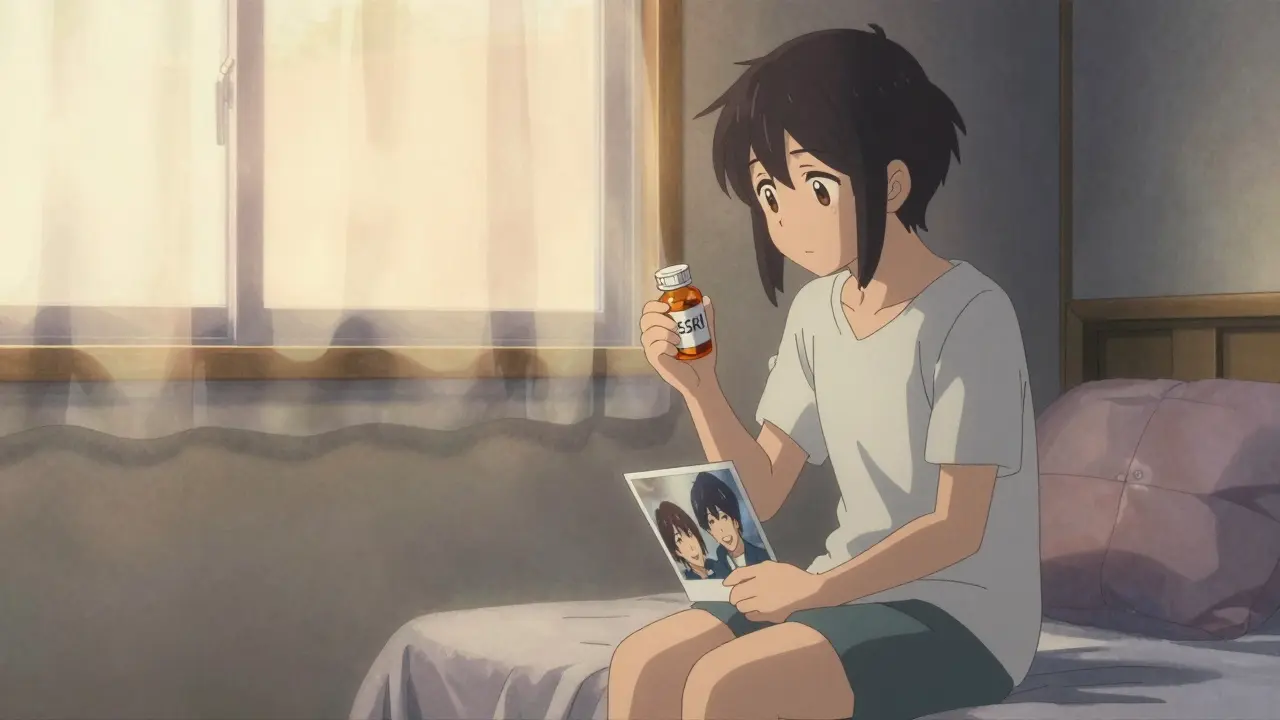
Think about it: if you’re on an antidepressant, there’s a 1 in 2 to 3 in 4 chance you’ll experience some kind of sexual problem. That’s not a small number. Studies show between 25% and 73% of people taking SSRIs - the most common type of antidepressant - report issues like low desire, trouble getting or keeping an erection, delayed orgasm, or even complete loss of pleasure during sex.
And it’s not just antidepressants. High blood pressure meds, prostate drugs, painkillers, even heart failure treatments can all mess with your sexual function. The real problem? Most patients never bring it up. Doctors rarely ask. So the issue stays hidden, and people suffer in silence - sometimes for years.
Antidepressants: The Biggest Culprits
When it comes to sexual side effects, antidepressants lead the list. Among SSRIs, paroxetine (Paxil) has the highest risk - around 65% of users report sexual problems. Fluvoxamine (Luvox) isn’t far behind at 59%. Sertraline (Zoloft) and fluoxetine (Prozac) follow closely at 56% and 54%, respectively.
Why does this happen? SSRIs boost serotonin, which helps with mood - but too much serotonin can shut down the pathways that control arousal and orgasm. It’s like turning up the volume on one part of your brain while muting another.
Tricyclic antidepressants like imipramine cause issues in about 30% of users. But clomipramine? One study found 93% of patients - men and women - had trouble reaching orgasm at all. That’s almost universal.
But here’s the good news: not all antidepressants are the same. Bupropion (Wellbutrin) and mirtazapine (Remeron) are much less likely to cause sexual problems. In fact, some people report improved libido on these drugs. If sexual side effects are a dealbreaker, these are worth discussing with your doctor.
Heart Medications and Blood Pressure Pills
High blood pressure doesn’t just strain your heart - it can strain your sex life too. Thiazide diuretics like hydrochlorothiazide (Microzide) are the most common cause of erectile dysfunction among antihypertensives. Beta blockers like atenolol aren’t much better.
For women, the problem often looks different. About 41% report lower desire, and 34% say sex just isn’t as pleasurable anymore. Alpha-blockers like clonidine and prazosin can make things worse by dampening arousal signals.
But there’s a twist: not all blood pressure meds hurt your sex life. Angiotensin II receptor blockers like valsartan have actually been linked to improved sexual desire and fantasies in women - especially compared to beta blockers. If you’re on a high blood pressure med and noticing changes, ask if switching to a different class might help.
Heart failure drugs like digoxin and spironolactone also show up in the list. Around 10% of patients with heart failure say their sexual problems started after starting these medications.
Prostate Medications: A Trade-Off Many Don’t Expect
Men taking finasteride (Propecia, Proscar) or dutasteride for enlarged prostate or hair loss are often blindsided by the side effects. These drugs block DHT - a hormone tied to prostate growth - but DHT also plays a role in sexual function.
Studies show 5.9% to 15.8% of users lose libido. Erectile dysfunction shows up in 5.1% to 9%. Ejaculation problems - like dry orgasm or reduced semen - affect up to 21.4%.
And then there are the antiandrogens used in prostate cancer treatment - like bicalutamide. Nearly all men on these drugs lose libido, struggle with erections, and may even develop breast tissue (gynecomastia). These effects are expected. They’re part of the treatment plan. But knowing that ahead of time makes a huge difference in how patients cope.
Other Surprising Offenders
Some drugs you wouldn’t suspect also cause sexual side effects.
Gabapentin and pregabalin - used for nerve pain and seizures - can lower free testosterone by increasing sex hormone binding globulin. That leads to erectile problems and low drive.
Opioids like oxycodone and morphine mess with your hormones by suppressing the hypothalamic-pituitary-gonadal axis. That means less testosterone, less desire, and more trouble with erections. Long-term users often end up with secondary hypogonadism.
Proton pump inhibitors (PPIs) like omeprazole and H2 blockers like ranitidine have been linked to decreased libido and erectile issues in some patients. The exact reason isn’t clear, but it’s reported often enough to be worth noting.
What Can You Do About It?
Don’t stop your meds on your own. That can be dangerous. But you don’t have to live with this.
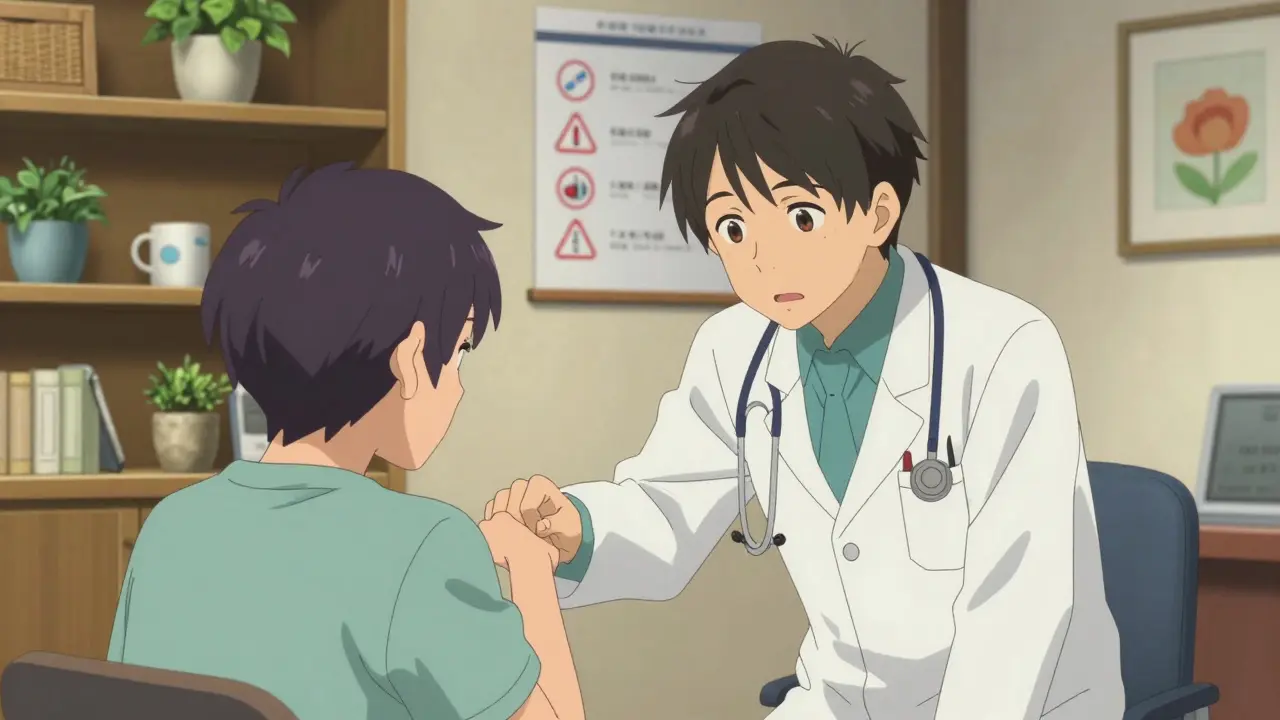
1. Talk to your doctor. Be specific. Say: “I’ve noticed I’m not interested in sex anymore,” or “I can’t get an erection like I used to.” Don’t wait for them to ask.
2. Consider switching. If you’re on paroxetine and it’s wrecking your sex life, ask about switching to bupropion or mirtazapine. For blood pressure, ask if valsartan or another ARB could replace your current drug.
3. Try a dose adjustment. Sometimes lowering the dose helps. A smaller amount of antidepressant might still control your depression without killing your libido.
4. Use a "drug holiday" (with supervision). For some people, skipping the antidepressant for a day or two around planned sexual activity helps. This only works with certain drugs and under medical guidance.
5. Add a medication. Sildenafil (Viagra), tadalafil (Cialis), or vardenafil (Levitra) can reverse SSRI-induced erectile dysfunction in 74-95% of cases. It’s not a cure for low desire, but it can restore function.
6. Try non-drug fixes. Exercise improves blood flow and boosts testosterone. Even 30 minutes of walking five days a week can make a difference. Reducing stress and improving sleep also help.

When to Be Concerned
Most sexual side effects are frustrating but not dangerous. But some need urgent attention:
- Priapism - an erection lasting more than 4 hours - is rare but can cause permanent damage if not treated fast.
- Painful ejaculation or penile numbness should be reported immediately.
- Sudden loss of sensation in the vagina or nipples may signal nerve involvement.
If you experience any of these, contact your doctor right away.
What’s Changing in 2026?
Things are getting better - slowly.
Drug companies are now required by the FDA to track sexual side effects in clinical trials. More studies are looking at how genetics affect your risk. Some new antidepressants are being designed to avoid serotonin spikes that cause sexual problems.
Guidelines from the American Urological Association now recommend doctors routinely ask patients about sexual function during check-ups - especially if they’re on long-term antidepressants, blood pressure meds, or prostate drugs.
The message is clear: sexual health isn’t a luxury. It’s part of overall health. And it deserves the same attention as your blood pressure or cholesterol.
Final Thoughts
Medications save lives. But they don’t come without trade-offs. Sexual side effects are real, common, and often treatable. You don’t have to accept them as inevitable.
If you’re on a medication and your sex life has changed - talk to your doctor. Bring this article. Ask about alternatives. Ask about adding sildenafil. Ask about switching to bupropion. Ask about timing your dose around sexual activity.
Your health isn’t just about living longer. It’s about living well. And that includes feeling connected, desired, and whole - in every way.
Comments
I never realized how many common meds mess with your sex life until my dad started on blood pressure pills. He didn’t say anything for two years. Just stopped having intimacy with my mom and acted like it was normal. When we finally talked about it, he was embarrassed. Doctors need to ask. Plain and simple.
Oh great, so now we’re supposed to talk to our doctors about whether our meds are killing our libido? Next they’ll want us to send them a spreadsheet of our orgasms per month. 😏
Hey, if you’re on antidepressants and your sex life changed, you’re not broken-you’re just on the wrong med. I switched from sertraline to bupropion after six months of zero desire. It wasn’t easy, but my partner and I finally felt like ourselves again. Talk to your doc. Don’t suffer in silence. You deserve to feel whole.
USA so weak. In Nigeria we dont take pills for mood we pray. Sex problem? You dont have enough manhood. You eat too much bread and sit on computer. No wonder you all have no energy. This article is for weak people. We dont need doctors to tell us to have sex. We just do it.
PPIs cause low libido? Maybe. But have you considered you’re just getting older? Or maybe you’re stressed? Or maybe you’re just not attracted to your partner anymore? Stop blaming the meds. It’s always easier to blame a pill than your own life.
My brother was on finasteride for hair loss. Lost his libido. Couldn’t get it up. Thought it was permanent. Then he switched to minoxidil and started lifting weights. His drive came back. It’s not just about the drug-it’s about your whole lifestyle. Don’t give up.
Hey, if you’re reading this and you’re feeling this way-you’re not alone. I was on Paxil for three years. My sex life was gone. I thought I was broken. Then I talked to my doctor. We switched me to Wellbutrin. Six months later, I felt like me again. It’s not magic. It’s medicine. And you deserve to feel good in every way.
Okay, real talk: I switched from Zoloft to Remeron and my sex drive came back like a firework-BOOM. And my partner? He cried. Not because he missed it… because he was so happy I was back. Don’t wait. Don’t be shy. Ask your doctor. Bring this article. Say: ‘I need my life back.’ You’re worth it.