

Imagine having a remote control for your pain. Not a pill that makes you drowsy, not an injection that requires a trip to the clinic, but a small device you can turn on and off whenever you need it. That is essentially what TENS therapy is Transcutaneous Electrical Nerve Stimulation, a non-invasive method using low-voltage electrical currents to manage pain. It sounds like science fiction from the 1970s, but today it is a widely used tool in both clinical settings and living rooms across the UK and beyond.
If you are dealing with persistent back pain, arthritis, or post-surgical discomfort, you have probably heard of TENS. But does it actually work? The short answer is yes, but with some important caveats. It is not a magic cure-all, and it does not work the same way for everyone. Understanding how it functions, how to use it correctly, and when it might help-or fail-is crucial if you want to get real relief without relying solely on medication.
How TENS Therapy Actually Works
To understand why TENS helps, we have to look at how your body processes pain signals. In 1965, researchers Ronald Melzack and Patrick Wall proposed the Gate Control Theory of Pain is a neurological theory explaining how the spinal cord acts as a gate that can block or allow pain signals to reach the brain. Think of your spinal cord as a doorway. When you get hurt, pain signals race up the nerves toward your brain. However, there are other sensory nerves-specifically large-diameter A-beta fibers-that carry touch and vibration sensations. If you stimulate these larger nerves, they effectively "close the gate," blocking the smaller pain-carrying nerves from getting through.
A TENS machine exploits this mechanism. By delivering mild electrical pulses through electrodes placed on your skin, it stimulates those large sensory nerves. This creates a tingling sensation known as paresthesia. While you feel the tingle, the pain signal is jammed. It is similar to rubbing your shin after bumping it against a table; the rubbing distracts your nervous system, reducing the perception of pain.
But there is more to it than just closing the gate. Modern research suggests that certain types of TENS also trigger the release of endogenous opioids, such as beta-endorphins. These are your body's natural painkillers. This dual action-blocking signals physically and chemically dampening pain perception-makes TENS a versatile tool, provided you set it up correctly.
Types of TENS Modes and What They Do
Not all TENS settings are created equal. Your device likely has several modes, each designed to target pain differently. Choosing the wrong mode is one of the most common reasons people think TENS "doesn't work." Here is a breakdown of the primary modes:
| Mode Type | Frequency (Hz) | Mechanism | Best For |
|---|---|---|---|
| Conventional TENS | 50-100 Hz | Activates A-beta fibers to close the pain gate | Immediate, short-term relief during activity |
| Acupuncture-like TENS | 2-5 Hz | Stimulates A-delta fibers to release endorphins | Longer-lasting relief, chronic pain |
| Burst Mode | 100 Hz bursts at 2-3 per second | Combines gate control and opioid release | Pain that adapts to standard stimulation |
| Intense TENS | Variable high amplitude | Strong counter-stimulation via A-delta fibers | Short-term severe pain (e.g., labor, acute injury) |
Conventional TENS is what most people start with. It uses high-frequency pulses that create a strong tingling sensation without muscle contraction. It is great for masking pain while you move around, like walking with knee osteoarthritis. On the other hand, Acupuncture-like TENS operates at a much lower frequency. You will feel a rhythmic pulsing or twitching in your muscles. This mode takes longer to kick in but provides relief that lasts longer after you turn the machine off, thanks to the endorphin release.
If you find that the tingling stops feeling effective after ten minutes-a phenomenon called accommodation-try switching to Burst Mode. It delivers packets of high-frequency pulses, keeping your nerves engaged and preventing them from tuning out the signal.
Who Benefits Most from TENS?
TENS is not a one-size-fits-all solution. Its effectiveness varies significantly depending on the type of pain you are experiencing. Clinical data shows it shines brightest in specific scenarios.
For acute musculoskeletal pain, such as a sprained ankle or post-operative incisional pain, TENS can be highly effective. A 2020 Cochrane Review found that TENS provided significant pain reduction during active labor compared to placebo, helping women avoid higher doses of pharmacological analgesics. Similarly, for localized conditions like osteoarthritis of the knee or hand, studies have shown a 35.7% pain reduction compared to sham treatment. The key here is localization. TENS works best when the pain source is clear and confined to a specific area where you can place electrodes.
However, for diffuse chronic pain conditions like fibromyalgia, the results are mixed. Only about 38% of patients report clinically significant relief. This is because fibromyalgia involves widespread central sensitization, meaning the pain processing issue is in the brain and spinal cord globally, not just in one peripheral nerve pathway. TENS targets peripheral nerves, so its reach is limited in these cases.
It is also worth noting that TENS is often part of a multimodal approach. It rarely replaces all other treatments but serves as a powerful adjunct. Many users report being able to reduce their reliance on opioids or NSAIDs by 20-30% when using TENS consistently alongside physical therapy or exercise.

Setting Up Your Device: Placement and Intensity
Even the most expensive TENS unit will fail if you set it up incorrectly. The two biggest mistakes people make are poor electrode placement and insufficient intensity.
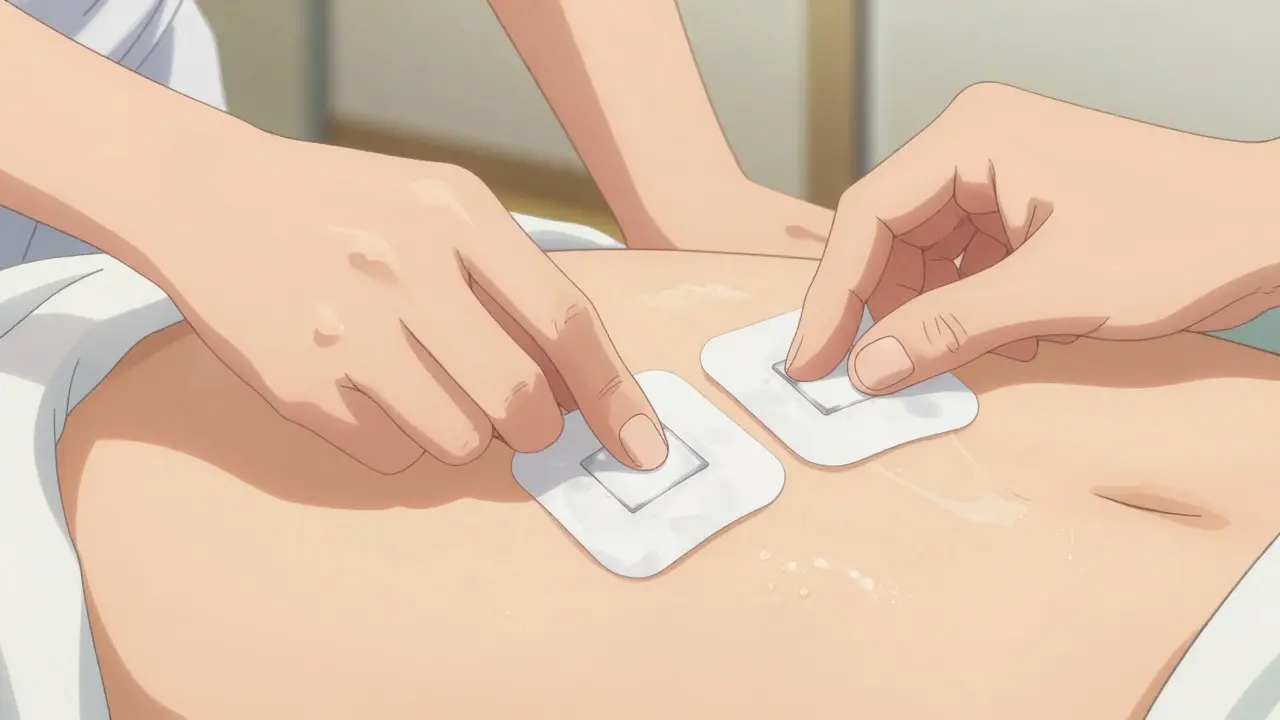
Electrode placement is critical. You generally have two options: placing the pads directly over the painful area or along the nerve pathways that supply that area. For example, if you have lower back pain, you might place four electrodes in a square pattern around the spine, avoiding direct contact with the vertebrae. If you have sciatica, placing electrodes along the path of the sciatic nerve in the buttock and thigh can be more effective than placing them on the foot where the pain is felt.
Now, let's talk about intensity. This is where most home users struggle. The sensation should be strong and noticeable, but never painful. You should feel a distinct tingling or buzzing. If it feels like a gentle tickle, it is likely too weak to activate the gate control mechanism. Research indicates that nearly 70% of failed TENS attempts are due to intensity settings below the therapeutic threshold. Crank it up until you feel a firm buzz, then back off slightly if it becomes uncomfortable. Remember, tolerance builds quickly. You may need to increase the intensity slightly every few minutes to maintain the effect.
Also, ensure good skin contact. Dry or hairy skin increases impedance, blocking the current. Shave the area if necessary, clean the skin with alcohol wipes, and consider using conductive gel under the electrodes. This simple step can improve signal delivery by over 60%.
Safety, Side Effects, and Who Should Avoid It
TENS is generally safe, but it is not risk-free. Since it involves electricity, there are specific contraindications. You should never place electrodes over your eyes, on broken or irritated skin, or directly over the front of your neck (where the carotid sinus is located).
Certain medical conditions require caution or avoidance entirely. If you have a pacemaker or other implanted electronic device, consult your doctor first, as the electrical current could interfere with the device's function. Pregnant women should avoid placing electrodes on the abdomen or lower back unless advised by a healthcare provider, although many use it safely on limbs for labor pain.
People with epilepsy or those prone to seizures should use TENS with extreme caution, as electrical stimulation can theoretically trigger a seizure in susceptible individuals. Additionally, if you have reduced sensation in the area due to neuropathy, you might not feel if the intensity is too high, leading to skin burns. Always start at the lowest setting and check your skin frequently.
The most common side effect is skin irritation. Redness or itching under the electrodes is normal, especially if you leave them on for long periods. Rotate your electrode positions daily and replace pads when they become dry or lose adhesiveness. Using hypoallergenic pads can help if you have sensitive skin.
Choosing the Right TENS Unit
The market is flooded with TENS devices, ranging from £20 consumer units to £300+ professional-grade machines. Does price matter? Yes, but not always in the way you think.
Cheaper units often lack precise frequency controls and durable batteries. They might only offer basic conventional TENS. Mid-range devices usually include multiple modes (burst, acupuncture-like) and adjustable pulse widths. Professional units, often used in physiotherapy clinics, offer microsecond-level precision and dual-channel independence, allowing you to treat two different areas with different settings simultaneously.
When shopping, look for these features:
- Dual Channel: Allows independent control of two pairs of electrodes.
- Adjustable Frequency and Pulse Width: Essential for trying different modes beyond the presets.
- Battery Life: Look for rechargeable lithium-ion batteries. Disposable AA batteries die quickly at therapeutic intensities.
- Ergonomic Design: If you plan to wear it while moving, a compact, belt-clippable design is crucial.
Brands like Omron, Chattanooga, and Compex dominate the market. Omron offers reliable, user-friendly home units, while Chattanooga is the gold standard in clinical settings. For athletes, Compex combines TENS with EMS (electrical muscle stimulation), which is useful if you also want to strengthen weakened muscles alongside pain relief.
The Future of TENS Technology
TENS technology is evolving. We are seeing the rise of smart TENS devices that use biofeedback to adjust parameters automatically. For instance, newer models can detect muscle fatigue or changes in skin impedance and modify the current to maintain consistent therapy. AI-driven algorithms are beginning to personalize treatment protocols based on individual response patterns, potentially solving the "trial and error" problem many users face.
Integration with mobile apps allows users to track pain levels, usage duration, and settings, creating a data log that can be shared with physical therapists. This digital health integration is making TENS a more integral part of comprehensive pain management plans, especially as healthcare systems push for non-pharmacological interventions to combat the opioid crisis.
While TENS is not a miracle cure, it is a powerful, evidence-based tool in the pain management arsenal. By understanding the science behind it, choosing the right mode, and setting it up correctly, you can take control of your pain relief journey. Start slow, experiment with settings, and give it time. Your nervous system needs a bit of patience to learn the new language of comfort.
How long should I use a TENS unit each day?
Most guidelines suggest sessions lasting between 30 to 60 minutes, up to three times a day. However, some people use it continuously throughout the day for acute pain. Listen to your body. If the skin becomes irritated or the sensation fades completely, take a break. There is no strict maximum limit, but rotating electrode positions is recommended to prevent skin issues.
Does TENS therapy damage nerves?
No, when used correctly, TENS does not damage nerves. It temporarily modulates nerve activity. The low-voltage currents are designed to stay within safe limits. Damage is extremely rare and usually associated with improper use, such as placing electrodes over broken skin or using excessively high intensities for prolonged periods without monitoring.
Can I use TENS while sleeping?
It is generally not recommended to sleep with a TENS unit on. Moving during sleep can dislodge electrodes, causing sharp shocks or loss of contact. Additionally, if you have reduced sensation, you might not notice if the intensity becomes too high, risking skin burns. Use it before bed to relax muscles and reduce pain, then remove it before drifting off.
Why does my TENS stop working after a few minutes?
This is called accommodation. Your nerves adapt to the constant stimulus. To fix this, switch to Burst Mode, which varies the signal, or manually increase the intensity slightly. You can also change the frequency setting every 10-15 minutes to keep your nervous system engaged.
Is TENS covered by insurance or the NHS?
Coverage varies. In the UK, the NHS may provide TENS units through pain management clinics or physiotherapy departments for specific conditions, but self-purchase is common. Private insurance may cover it if prescribed by a doctor. Check with your provider or GP. Many people find it cost-effective to buy a mid-range unit outright rather than seeking reimbursement.