
Linezolid & Tyramine Food Safety Checker
Are you currently taking Linezolid or planning to? This tool helps you identify high-risk foods that could trigger a hypertensive crisis due to the drug's MAO-inhibiting properties.
Food Name
Tyramine Level: N/A
Quick Reference Guide
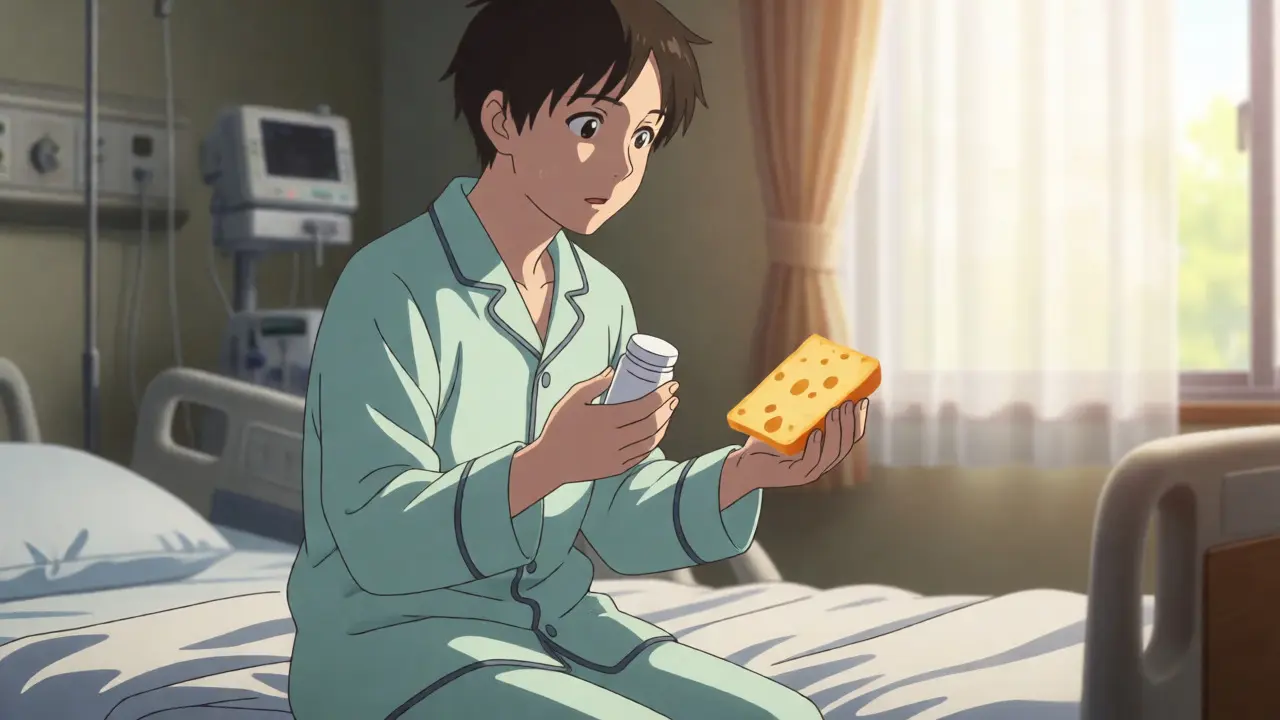
You are in the hospital or at home fighting a stubborn infection. The doctor prescribes Linezolid, an antibiotic that is often the last line of defense against superbugs like MRSA. You take your first dose, feeling hopeful. Then, two hours later, you eat a slice of aged cheddar cheese or drink a glass of red wine. Within minutes, your heart pounds, your head throbs, and your blood pressure spikes to dangerous levels. This isn't just discomfort; it is a hypertensive crisis caused by the interaction between Linezolid and tyramine.
Most patients assume antibiotics only affect bacteria. But Linezolid is different. It acts as a weak monoamine oxidase (MAO) inhibitor. This means it interferes with how your body breaks down tyramine, a natural substance found in many common foods. If you don't adjust your diet while taking this medication, you risk serious health complications. Here is exactly what you need to know to stay safe.
Why Linezolid Acts Like an Antidepressant
To understand the risk, you have to look at how Linezolid works. While its primary job is stopping bacterial growth, it has a side effect: it inhibits enzymes called monoamine oxidases (MAO-A and MAO-B). These enzymes are responsible for breaking down neurotransmitters like serotonin and dopamine, but also dietary amines like tyramine.
In a landmark study published in the British Journal of Clinical Pharmacology, researchers compared Linezolid to moclobemide, a dedicated MAO inhibitor used for depression. They found that Linezolid produced about 80% of the blood pressure-raising effect seen with moclobemide when exposed to tyramine. That is significant. It means Linezolid behaves much more like a psychiatric medication than a standard antibiotic in terms of food interactions.
The good news? Unlike older antidepressants such as phenelzine, which permanently disable these enzymes, Linezolid’s inhibition is reversible. Once you stop the drug, your enzyme function typically returns to normal within 24 to 48 hours. However, during those days of treatment, your body cannot handle high loads of tyramine efficiently.
The Danger Zone: What Happens When Tyramine Builds Up
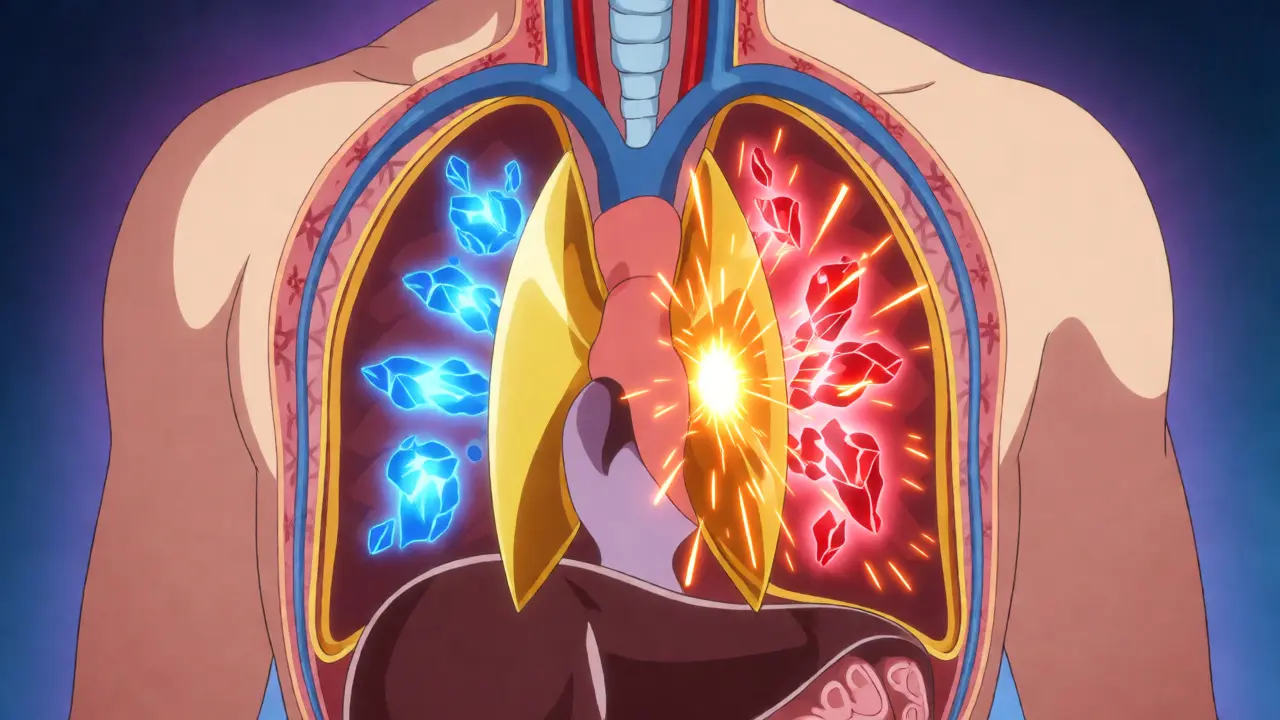
Tyramine is a naturally occurring amino acid derivative found in protein-rich foods that have been fermented, aged, or stored improperly. Normally, your gut and liver break it down before it enters your bloodstream. When Linezolid blocks the MAO enzymes, tyramine bypasses this breakdown process. It floods your system, triggering a massive release of norepinephrine.
This surge causes blood vessels to constrict rapidly. The result is a sudden, severe increase in blood pressure, known as a hypertensive crisis. Symptoms can include:
- Severe headache, often described as the "worst headache of my life"
- Nausea and vomiting
- Rapid heartbeat (tachycardia)
- Sweating and flushing
- Stiff neck or sensitivity to light
- Vision changes or confusion
A 2021 review in the Journal of Antimicrobial Chemotherapy documented 17 cases of Linezolid-associated hypertensive crises over five years. In 65% of these cases, patients required ICU admission. The average systolic blood pressure recorded was 212 mmHg. This is not a minor inconvenience; it is a medical emergency.
Foods to Avoid While Taking Linezolid
The general rule is simple: avoid foods containing more than 100 mg of tyramine per serving. But since most people don't weigh their food for chemical content, you need practical guidelines. The restriction applies from the moment you start the medication until 14 days after you finish the course. Why two weeks? Because individual metabolism varies, and some studies suggest full enzyme recovery can take longer than the drug's half-life implies.
Here is a breakdown of the highest-risk categories. Note that freshness matters. As proteins age, tyramine levels rise.
| Food Category | Specific Examples | Estimated Tyramine Content |
|---|---|---|
| Aged Cheeses | Blue cheese, Brie, Camembert, Cheddar (aged), Parmesan, Swiss | Very High (up to 1,500 mg/100g in blue cheeses) |
| Fermented Soy Products | Soy sauce, miso paste, tempeh, tofu (fermented) | Moderate to High |
| Cured & Processed Meats | Salami, pepperoni, summer sausage, smoked meats, liver pâté | Moderate to High |
| Alcoholic Beverages | Tap beer, red wine, sherry, vermouth | Variable (Red wine: 5-100 mg/100ml) |
| Overripe Fruits | Bananas (especially peels/overripe), avocados (overripe), figs | Moderate (increases with ripeness) |
| Yeast Extracts | Marmite, Vegemite, bouillon cubes | High |
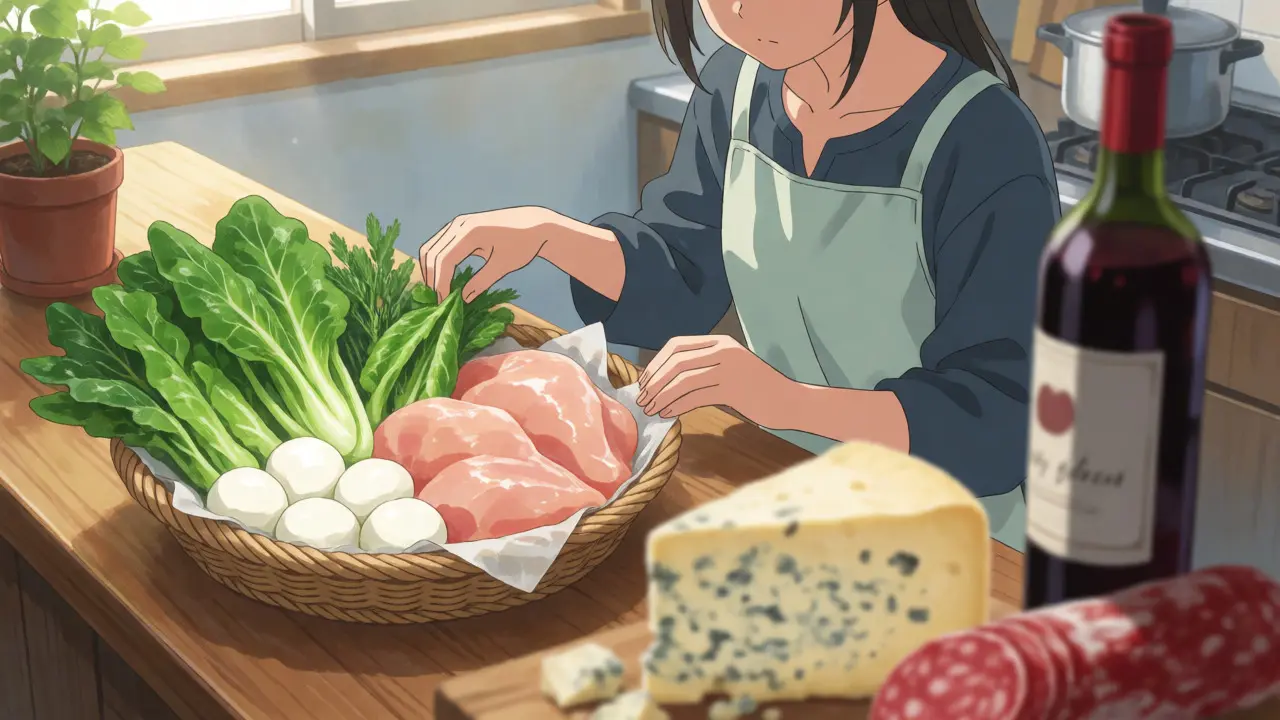
What about fresh foods? Freshly cooked meat, poultry, fish, and eggs are generally safe if eaten immediately after cooking. Leftovers should be refrigerated promptly and consumed within 24 hours. Freezing stops tyramine formation, so frozen vegetables and meats are excellent choices.
Common Misconceptions and Real-World Risks
One major problem is inconsistent patient education. A 2022 study found that nearly 60% of patients could not correctly identify high-tyramine foods after being discharged. Many doctors prescribe Linezolid without emphasizing the dietary aspect, assuming patients will read the pamphlet. They often don't.
Consider the case of a patient reported on pharmacy forums who ate aged cheddar while on Linezolid. Their blood pressure hit 230/130 mmHg, leading to a three-day ICU stay. Conversely, another patient might eat a small amount of mild cheese and feel fine. This variability is tricky. Factors like body mass index (BMI) and pre-existing hypertension influence how sensitive you are. Dr. Paul Sax from Harvard Medical School notes that while the absolute risk is low for healthy individuals, the consequences for those with existing heart conditions can be fatal.
Don't gamble with "just a little bit." The threshold for reaction is lower than you think. Preliminary data from NIH-funded trials suggests that for susceptible individuals, even 50-75 mg of tyramine can trigger a response. One ounce of aged cheddar contains roughly 150 mg. You are already over the limit with a single snack.
Managing Interactions with Other Medications
It is not just about food. Linezolid interacts with other drugs because of its MAO-inhibiting properties. If you take antidepressants, specifically SSRIs (like fluoxetine or sertraline) or SNRIs, combining them with Linezolid raises the risk of serotonin syndrome. This condition shares symptoms with hypertensive crisis but involves mental status changes, muscle rigidity, and fever.
Also, watch out for over-the-counter cold medicines. Pseudoephedrine, a common decongestant, is a sympathomimetic. Combining it with Linezolid can further spike blood pressure. Always check with your pharmacist before adding any new supplement or OTC drug to your regimen while on this antibiotic.
Practical Tips for Staying Safe
You do not need to starve. You just need to be strategic. Here is a checklist to keep you on track:
- Read Labels: Look for words like "aged," "cured," "smoked," "fermented," or "yeast extract."
- Eat Fresh: Prepare meals from scratch using fresh ingredients. Avoid buffet-style dining where food sits out for hours.
- Check Your Wine: White wine and champagne generally have lower tyramine levels than red wine, but alcohol itself can affect blood pressure. Moderation is key.
- Monitor Blood Pressure: If you have a history of hypertension, check your BP daily while on Linezolid. Catching a rise early allows for intervention.
- Ask Questions: If you are unsure about a specific food, ask your pharmacist. They are trained to spot these interactions.
Remember, the restriction lasts for 14 days after your last dose. Do not rush back into your favorite aged steak or blue cheese salad too soon. Give your body time to reset its enzymatic balance.
The Future of Linezolid Alternatives
Because of these strict dietary rules, researchers are looking for alternatives. Contezolid (MRX-I) is a new antibiotic currently in Phase III trials. It offers similar effectiveness against resistant bacteria but lacks the MAO-inhibiting side effect. Until it becomes widely available, Linezolid remains a critical tool, especially for vancomycin-resistant Enterococci (VRE) and methicillin-resistant Staphylococcus aureus (MRSA).
While the dietary burden is real, it is manageable. By understanding the mechanism-Linezolid blocking the breakdown of tyramine-you can make informed choices. Treat this medication with the same caution you would give to a strong antidepressant. Your blood pressure depends on it.
How long do I need to follow the tyramine-free diet?
You should start avoiding high-tyramine foods 24 hours before beginning Linezolid and continue the restrictions for 14 days after finishing the course. This ensures the drug is fully cleared and your MAO enzymes have recovered.
Can I eat fresh cheese like mozzarella or cottage cheese?
Yes, fresh, unaged cheeses like mozzarella, ricotta, cream cheese, and cottage cheese are generally safe. The danger lies in aged varieties like cheddar, parmesan, brie, and blue cheese, which accumulate high levels of tyramine during the aging process.
What happens if I accidentally eat something with tyramine?
If you experience a severe headache, nausea, or rapid heartbeat, seek medical attention immediately. Mild reactions may pass, but hypertensive crises require urgent care to prevent stroke or organ damage. Monitor your blood pressure closely if you suspect an exposure.
Does Linezolid interact with alcohol?
Yes. Tap beer and red wine contain significant amounts of tyramine. Additionally, alcohol itself can raise blood pressure and worsen the cardiovascular stress caused by the drug interaction. It is best to avoid alcohol entirely during treatment.
Are bananas safe to eat on Linezolid?
Fresh, yellow bananas are usually fine. However, overripe bananas with brown spots have higher tyramine levels. To be safe, choose firm, less ripe bananas and discard the peel immediately, as the peel concentrates tyramine.
Comments
Most of you are reading this and thinking, "Oh, I'll just be careful." No, you won't. You will forget the moment you smell a fresh baguette or see a block of parmesan at a dinner party.
The article is decent but it misses the real psychological horror here. It's not about the chemistry; it's about the social isolation. Imagine being on linezolid for MRSA and having to explain to your friends why you can't have a glass of wine with dinner because your body thinks the fermented grape juice is poison. It makes you feel like an invalid before you've even finished the course.
And let's talk about the "fresh food" rule. Who actually cooks from scratch every single day while fighting a stubborn infection? We are tired. We want convenience. But convenience means processed meats, aged cheeses, and sauces with yeast extracts. The medical advice assumes a level of culinary discipline that most sick people simply do not possess. You end up eating plain boiled chicken and steamed broccoli until you hate yourself. Is that really better than risking a headache? Probably, but don't pretend it's easy.
Great summary. In my culture, fermented foods are staples, so this diet feels restrictive but necessary. Safety first always.
It’s fascinating how our bodies treat these molecules as enemies when they are usually just... food. Perhaps the illness itself is a metaphor for how we process what we consume-sometimes we need to purge the old to heal the new.
I hope everyone finds their balance between caution and joy. Life is too short to fear a slice of cheddar forever, right?
But seriously, listen to your doctor. They know best.
Oh wow another health scare thread great
Seriously though the idea that an antibiotic acts like an antidepressant is wild if you think about it we are basically hacking our own neurochemistry to kill bacteria and in doing so we break the very systems that keep us calm
Its almost poetic in a terrifying way isn't it
Just remember that your blood pressure doesn't care about your feelings about cheese
Stay safe out there folks
This is very useful info :)
In India many dishes use fermented ingredients like idli/dosa batter or pickles which are high in tyramine. Do patients here get specific dietary counseling or just a pamphlet?
Also does the type of soy sauce matter? Regular vs low sodium?
Would love to hear more practical examples for vegetarians :)
Hey guys, just wanted to drop in and say this is solid info. I had a buddy who took this stuff for a nasty staph infection and he went through hell trying to figure out what he could eat. He ended up living on rice and beans for two weeks lol. Totally worth it to avoid the ER trip though. Keep those heads down and stay hydrated!
I agree with Adam above regarding the difficulty of maintaining this diet while sick. However, I think we should focus on the positive aspect: awareness. Before this post, many people might not have known about the MAO inhibition. Now, pharmacists can have a clearer conversation with patients.
Regarding kishhore's question about soy sauce: generally, traditional brewed soy sauce is higher in tyramine due to fermentation, whereas some chemically hydrolyzed versions might be lower, but it's risky to guess. It's safer to avoid it entirely or use a tiny amount of tamari if approved by a doctor. For vegetarians, fresh paneer (if unaged) and fresh vegetables are your best friends. Avoid tofu that has been sitting in the fridge for days.
We can navigate this together without panicking.
Appreciate the balanced take Sarah. It helps to hear that fresh options exist. Just a gentle reminder to check with your pharmacist specifically about any supplements too, as mentioned in the article. Better safe than sorry.