
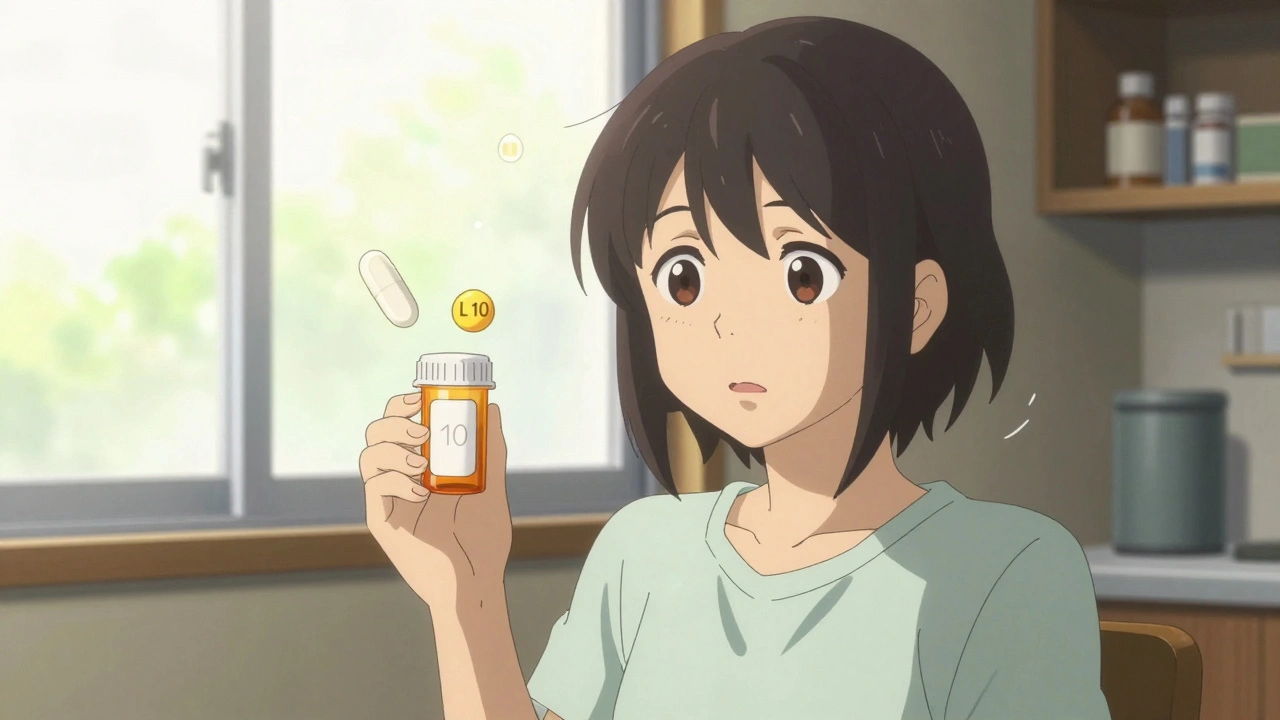
Switching from a brand-name pill to a generic can save you hundreds a year. But when you open your prescription bottle and the pill looks completely different-maybe it’s blue instead of white, or oval instead of round-it’s natural to wonder: is this the same medicine? You’re not alone. Millions of people in the U.S. face this every month, and most don’t know how to check if the change is safe or just a packaging quirk.
Why Generic Pills Look Different
Generic drugs are required by the U.S. Food and Drug Administration (FDA) to contain the exact same active ingredient, strength, and dosage form as the brand-name version. That means if your brand-name pill has 10 mg of lisinopril, so does the generic. The science behind this is solid: bioequivalence studies show generic drugs are absorbed into your body at nearly the same rate and level as the brand. In fact, the average difference in absorption between brand and generic is just 3.5%-less than the variation you’d see between two batches of the same brand-name pill.So why the different color, shape, or imprint? It’s not a mistake. Federal law prohibits generic manufacturers from copying the exact appearance of brand-name pills to avoid confusion and protect trademarks. That’s why a 10 mg lisinopril pill from Teva might be white and oval with an imprint of “10,” while the same dose from Mylan could be yellow and round with “L 10.” Both are correct. Both work the same. But they look nothing alike.
What to Look For: The Pill Identification Checklist
When your pill looks different, don’t panic. Use these five key features to confirm it’s still the right medication:- Imprint: Every prescription pill in the U.S. must have a unique code stamped on it. This is the most reliable identifier. Look for letters, numbers, or symbols. For example, “L 10” on a yellow pill is the same drug as “10” on a white oval.
- Shape: Is it round, oval, capsule-shaped, or scored? Shape changes often happen between manufacturers, but it’s still a useful clue.
- Color: Color is the most variable feature. A brand-name pill might be blue, but the generic could be white, yellow, or even pink. Don’t assume color means a different drug.
- Size: Some generics are slightly larger or thinner. This doesn’t affect effectiveness but can be confusing if you’re used to a certain feel.
- Score: Many pills have a line down the middle for splitting. If your old pill was scored and the new one isn’t, check the imprint and consult your pharmacist.
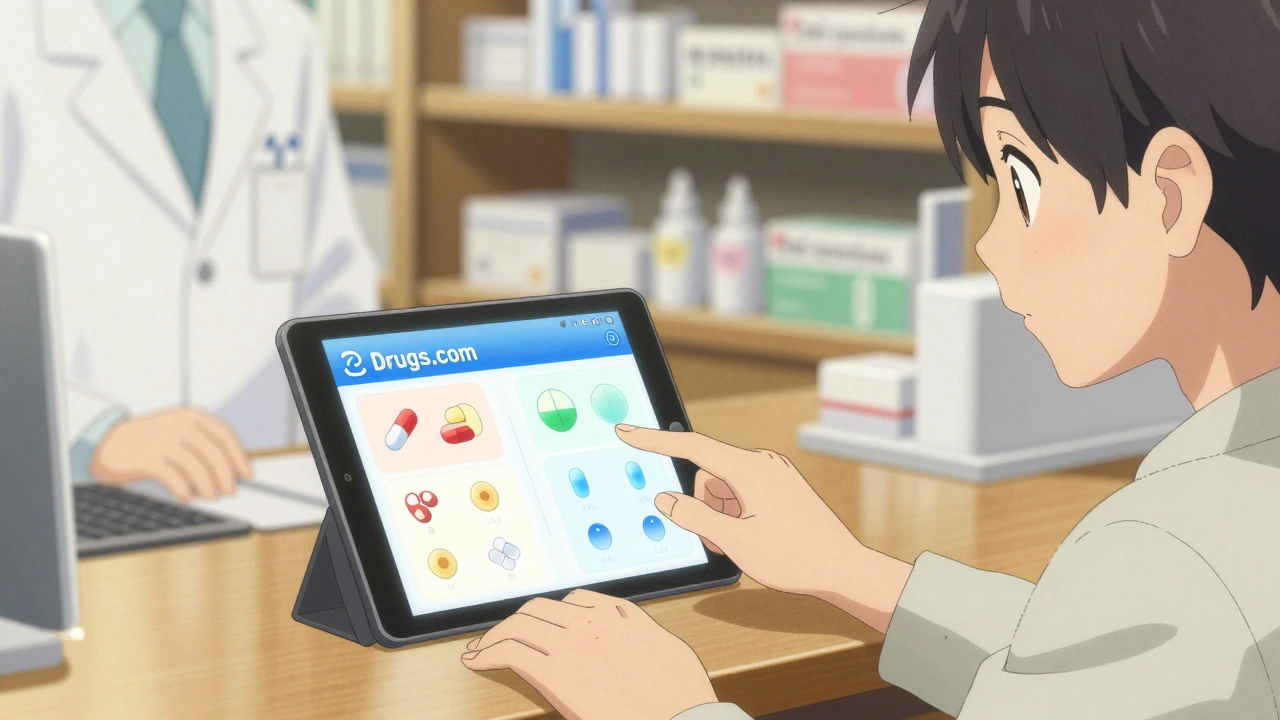
Use the Drugs.com Pill Identifier (used by over 12 million people monthly) to match your pill’s features. Just enter the color, shape, and imprint. It will show you all approved versions from every manufacturer.
How to Know Which Manufacturer Made Your Pill
Not all generic manufacturers are the same. The big players-Teva, Mylan (now part of Viatris), Sandoz, and Hikma-produce most of the generics in the U.S. But hundreds of smaller companies also make pills. The manufacturer’s name isn’t always on the pill itself, but it’s on the bottle label. Look for the “Dispensed by” or “Manufactured by” line.Here’s what you need to know about the top makers:
- Teva: The world’s largest generic maker. Their pills are common for blood pressure, cholesterol, and antidepressants. Often the first to market after a brand expires.
- Viatris (formerly Mylan): Known for high-volume, low-cost generics. Their pills are often found in Medicare Part D plans.
- Sandoz: A Novartis spin-off. Focuses on complex generics like inhalers and injectables.
- Hikma: Specializes in hard-to-make generics like extended-release tablets. Often used for psychiatric and epilepsy drugs.
Switching between these manufacturers is usually fine. But for certain drugs-like warfarin, levothyroxine, or lamotrigine-your doctor may recommend sticking with the same maker. Why? These are narrow therapeutic index (NTID) drugs. Small changes in how your body absorbs them can lead to serious side effects. The FDA tightens the bioequivalence standard for these drugs to 90-111% instead of the usual 80-125%.
When to Worry: Red Flags in Generic Switches
Most of the time, a change in pill appearance is harmless. But here are times when you should speak up:- You feel different: New fatigue, dizziness, mood changes, or unexplained symptoms after switching generics-especially with epilepsy, thyroid, or blood thinner meds.
- Multiple switches in a short time: If your pharmacy changes the manufacturer every month, it could be due to supply issues or cost-cutting. Ask if you can request a specific brand.
- No imprint or unclear markings: Legitimate prescription pills must have an imprint. A pill with no markings could be counterfeit or a non-FDA-approved product.
- Price drops too low: If a generic suddenly costs 80% less than usual, it might be from an unregulated overseas source. Stick to U.S.-approved manufacturers.
According to a 2022 Consumer Reports survey, 18% of patients questioned their pharmacist about appearance changes. That’s smart. Pharmacists are trained to explain these differences. Don’t be shy-ask.
How Pharmacists Help You Navigate Generics
Your pharmacist has tools you don’t. They use the National Drug Code (NDC) Directory, a federal database that links every pill’s appearance to its manufacturer and active ingredient. When you get a new prescription, they cross-check the NDC to confirm the generic matches your doctor’s order.They also track DAW codes on your prescription:
- DAW-1: “Dispense as written.” Your doctor wants you to stay on the same manufacturer. This is common for NTID drugs.
- DAW-0: “Substitution allowed.” The pharmacist can switch brands freely.
If you’re on a drug like levothyroxine, ask your doctor to write “DAW-1” on the prescription. That prevents your pharmacy from switching manufacturers without your knowledge.
Real Stories: What Patients Say
On Reddit’s r/pharmacy community, a 2023 thread with over 1,200 comments showed:- 68% of users reported no issues switching between generics.
- 22% noticed changes in mood, energy, or side effects-mostly with antidepressants or seizure meds.
- One user wrote: “I switched from Teva to Mylan lamotrigine and had seizures I hadn’t had in five years. My neurologist said it was the manufacturer change.”
That’s not common, but it’s real. The 2012 case of lamotrigine toxicity after a formulation change was documented in the Journal of Generic Medicines. It led to FDA guidance recommending tighter monitoring for NTID drugs when switching manufacturers.
On the flip side, a 2023 Kaiser Family Foundation analysis found patients save an average of $265 per month using generics. For someone on three or four prescriptions, that’s over $3,000 a year. That’s life-changing money.
What You Can Do Today
You don’t need to be a pharmacist to protect yourself. Here’s your simple action plan:- Check your pill every time you refill. Use Drugs.com or ask your pharmacist to show you the pill image.
- Keep a list of your meds, including the imprint, color, and manufacturer. Take it to every appointment.
- Ask for DAW-1 if you’re on a narrow therapeutic index drug (warfarin, levothyroxine, lithium, phenytoin, etc.).
- Don’t assume color = potency. A blue pill isn’t stronger than a white one. Trust the imprint.
- Report surprises. If you feel worse after a switch, tell your doctor and pharmacist immediately.
Generic drugs are one of the most successful public health innovations of the last 40 years. They’ve saved the U.S. healthcare system over $3 trillion since 2000. But that success only works if patients understand how to use them safely. Appearance changes aren’t a bug-they’re a feature of a competitive, regulated system. Your job is to know what to look for-and when to ask questions.
Are generic pills less effective than brand-name pills?
No. Generic pills must meet the same FDA standards for bioequivalence as brand-name drugs. Studies show they work the same way in the body in 99.9% of cases. The only exceptions are narrow therapeutic index drugs like levothyroxine or warfarin, where even small changes in absorption can matter. For most people, generics are just as effective.
Why do the same generic pills look different from one pharmacy to another?
Different pharmacies buy from different generic manufacturers. Each company makes the same active ingredient but uses its own color, shape, and imprint to comply with trademark laws. For example, one pharmacy might get lisinopril from Teva (white oval, imprint 10), while another gets it from Mylan (yellow round, imprint L 10). Both are correct and equally effective.
Can I request a specific generic manufacturer?
Yes. You can ask your pharmacist to fill your prescription with a specific manufacturer. Some pharmacies may need to order it, but most will accommodate you-especially if you’ve had a bad reaction to a different version. You can also ask your doctor to write “DAW-1” on your prescription to prevent substitutions.
What if I can’t tell the difference between my old and new pill?
Use the Drugs.com Pill Identifier app or website. Take a photo of the pill, or note its color, shape, and imprint. The tool will show you all matching FDA-approved versions. If you’re still unsure, call your pharmacist. They have access to the National Drug Code (NDC) database and can confirm the exact drug and manufacturer.
Is it safe to switch generic manufacturers frequently?
For most medications, yes. But for narrow therapeutic index drugs (like thyroid meds, blood thinners, or seizure drugs), frequent switches can be risky. The FDA recommends staying with the same manufacturer for these drugs unless there’s a medical reason to change. If your pharmacy keeps switching your pill, ask for DAW-1 on your prescription to prevent it.
What to Do Next
If you’re on a chronic medication, take five minutes today to check your last pill bottle. Write down the imprint, color, and manufacturer. Next time you refill, compare it. If it’s different, don’t guess-verify. Use the Drugs.com tool or call your pharmacist. Keep a small card in your wallet with your meds and their identifiers. It’s a simple habit that can prevent confusion, anxiety, and even dangerous mistakes.Generic drugs are safe, effective, and affordable. But their power comes from your awareness. You’re not just taking a pill-you’re managing your health. Know what you’re taking. Ask questions. Stay informed.
Comments
i thot generics were just fake meds lmao. guess i was wrong. still looks like a candy pill tho.
This is an exceptionally well-structured guide. The distinction between bioequivalence standards for NTID drugs and standard generics is often overlooked by the general public. The FDA's regulatory framework, while not perfect, remains one of the most rigorous in the world.
so... the pill is just a vibe? color = mood, shape = energy, imprint = soul? 🤔
I love how this post frames the issue not as fear of change, but as empowerment through knowledge... It’s not about resisting the system-it’s about engaging with it thoughtfully. The pill isn’t just chemistry; it’s a story of regulation, commerce, and personal health literacy.
I switched generics and my anxiety went from 'meh' to 'I think I'm dying'... now I'm scared to even look at a pill. My pharmacist said it's 'normal' but I think they're lying. They all work for Big Pharma anyway.
This is exactly the kind of info people need. So many folks panic when their pill changes color-like it’s a magic spell. The imprint is your best friend. Always check it. And if you’re on warfarin or levothyroxine? Don’t play games. Stick with one maker. Your life depends on consistency.
Wow. So you’re telling me I’m not crazy for feeling weird after switching? I thought I was just weak. Guess I should’ve known generics are just cheap knockoffs pretending to be real medicine. Next time I’ll just pay $500 for the brand name. Maybe then I’ll actually feel better.
You’re not alone. I used to stress out every time my pill changed. Now I just open the app, snap a pic, and breathe. You got this. Small habits = big peace of mind.
I’ve been a pharmacy tech for 12 years. The most common mistake? People assume color = dose. A blue 10mg isn’t stronger than a white 10mg. It’s the same exact chemistry. Always trust the imprint. And if you’re unsure? Walk over to the counter. We’re here to help-not to judge.
I keep a little notebook in my purse with all my meds and their looks. Last week I caught a switch before I took it. Felt like a superhero. You don’t need to be a doctor-you just need to pay attention.
Have you ever wondered why the FDA allows this? It’s not about safety-it’s about corporate control. The same 5 companies control 90% of generics. They’re using color and shape to lock you in. And if you complain? They just switch you to another one. This isn’t freedom. It’s a trap.
I once took a pill that looked like a tiny rainbow unicorn. Turned out it was just a generic gabapentin. I laughed so hard I cried. Then I Googled it. Turns out it’s called 'G 20' and it’s been around since 2015. The world is wild. And so are pills.
I appreciate the thoroughness of this guide. It is imperative that patients understand the regulatory and pharmacological distinctions between brand-name and generic formulations. The variance in appearance is not an indicator of efficacy, but rather a consequence of intellectual property protections and manufacturing autonomy. One should always verify through the National Drug Code or consult a licensed pharmacist.
I hate this. Why can’t they just make them look the same? I don’t care about trademarks. I just want my pill to be the same every time. Now I have to Google it? I’m not a scientist. This is dumb.