
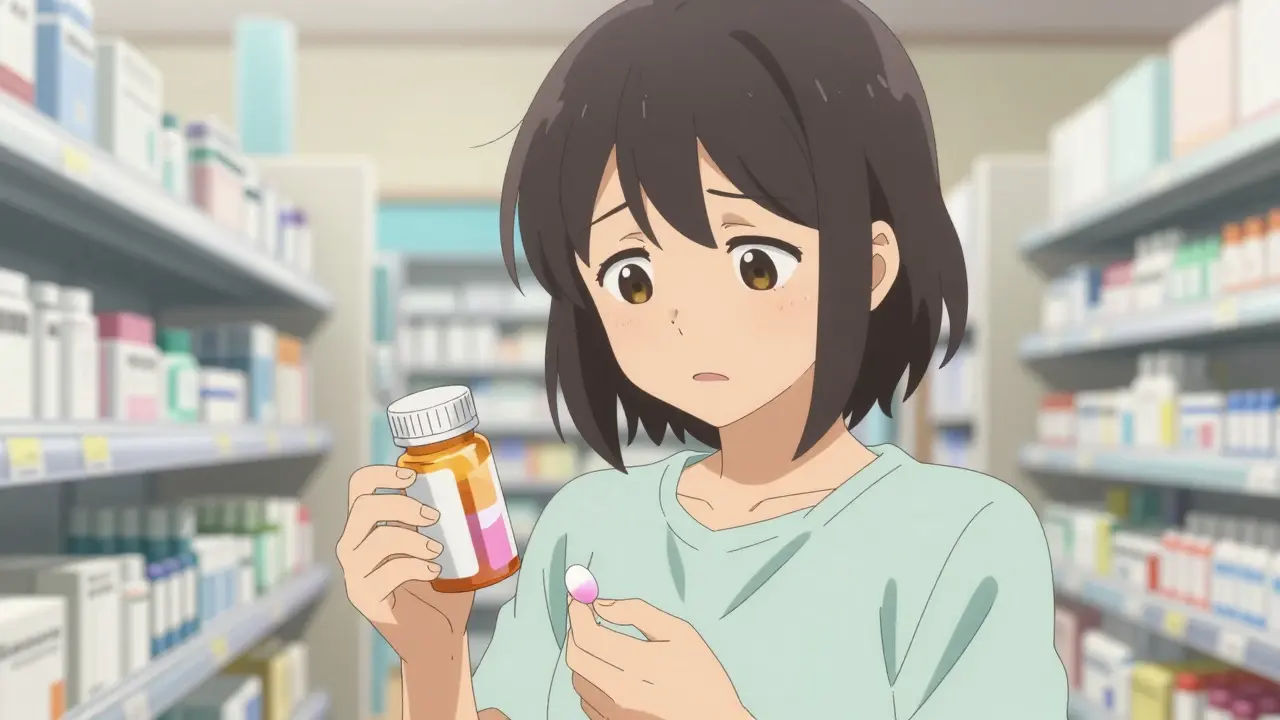
You pick up your prescription at the pharmacy. The bottle looks different than you remember. The pill is a different color, maybe a different shape. Your heart skips a beat. Is this the right medicine? Did the pharmacist make a mistake? Or did they just switch you to a cheaper version?
If you’ve ever felt that flicker of doubt, you are not alone. This moment of confusion sits at the intersection of two massive healthcare issues: health literacy and the widespread use of generic drugs. For millions of people, understanding what is in their pill bottle is harder than it should be. When health information is complex and medication appearances change frequently, the risk of making a dangerous error goes up.
Let’s break down why this happens, how it affects your safety, and what practical steps you can take to stay in control of your health.
What Is Health Literacy Really?
We often think of health literacy as simply being able to read a doctor’s note. But it is much more than reading skills. The World Health Organization defines it as the ability to access, understand, appraise, and use information to make good health decisions. In 2020, the U.S. Department of Health and Human Services updated this definition for Healthy People 2030. They split it into two parts: personal health literacy (your ability to find and use info) and organizational health literacy (the system’s duty to make that info easy to get).
Why does this distinction matter? Because if a hospital or pharmacy makes their materials too complex, even a highly educated person might struggle. Conversely, if the system provides clear, simple instructions, people with lower literacy levels can still manage their health safely. The problem arises when both sides fail to meet in the middle.
Consider the scale of the issue. According to the National Network of Libraries of Medicine, about 80 million American adults have basic or below-basic health literacy skills. That is roughly one in three adults. When these individuals face complex medical instructions, the gap between what they need to know and what they actually understand becomes a safety hazard.
The Generic Drug Landscape
To understand the confusion, we first need to look at generics. Generic medications contain the same active ingredients as brand-name drugs. They must meet the same strict standards for safety, strength, purity, and stability set by regulators like the FDA. However, they do not have to look exactly like the brand name. Manufacturers can choose different colors, shapes, and inactive ingredients (like fillers or coatings).
This visual difference is where the trouble starts. By 2020, generic drugs made up 90% of all prescriptions filled in the U.S. by volume. While this shift has saved the healthcare system billions of dollars, it has created a "visual discontinuity" for patients. One day you take a white oval tablet; the next month, after a routine refill, you receive a pink round one. To a patient with low health literacy, this doesn’t look like a cost-saving measure-it looks like a new, unknown drug.
Are generic drugs less effective than brand names?
No. Generic drugs are therapeutically equivalent to brand-name drugs. They contain the same active ingredient and work the same way in the body. The only differences are usually in appearance and inactive ingredients, which generally do not affect efficacy.
Why Confusion Happens
Research shows that this isn't just a minor inconvenience. A 2016 study found that 42% of patients could not correctly identify that generic drugs are therapeutically equivalent to brand-name versions. Another study revealed that 68% of patients expressed concern about generic effectiveness, compared to only 22% for brand-name drugs. This "generic distrust" is particularly high among those with lower health literacy.
The consequences can be severe. The Institute for Safe Medication Practices documented over 1,200 medication errors related to confusion between different generic versions of the same drug between 2015 and 2020. These errors accounted for 17% of all reported medication errors involving generics. Patients might skip doses because they think the pill is wrong, double up because they think they missed a dose, or stop taking medication altogether out of fear.
For older adults managing multiple conditions, the stakes are even higher. A study in JAMA Internal Medicine showed a 23% increase in non-adherence when patients received a visually different generic version. Imagine an elderly patient taking five different pills. If three of them suddenly change color, keeping track of which is which becomes a puzzle that can lead to serious health crises.
Real Stories from Real Patients
Numbers tell part of the story, but personal experiences highlight the human impact. On the PatientsLikeMe forum, a thread titled "Generic Switch Confusion" received hundreds of responses. One user with type 2 diabetes shared a harrowing experience: "When my metformin changed from white oval to pink round tablets, I didn't take it for three days thinking it was a different medication-I ended up in the ER with high blood sugar."
This is not an isolated incident. Pharmacists report seeing patients weekly who refuse generics simply because they don’t look like what they expect. Medicare survey data from 2022 showed that 41% of beneficiaries with multiple chronic conditions reported confusion about generic changes. The rate jumped to 63% among those with less than a high school education.
These stories illustrate a critical point: trust is fragile. When the visual cue-the thing that helps you recognize your medicine-changes without clear explanation, trust breaks down. The patient feels unsafe, and the provider feels frustrated. Bridging this gap requires intentional communication.
Practical Strategies for Better Understanding
So, what can be done? Experts and organizations have developed several effective strategies to improve health literacy around generics. You can start using some of these today.
- Ask Me 3: This program encourages patients to ask three key questions before leaving any healthcare visit: What is my main problem? What do I need to do? Why is it important? When picking up a generic, add a fourth question: "Does this look different from my last prescription? If so, why?" Hospitals using this approach saw a 31% reduction in medication errors.
- Brown Bag Review: Bring all your medications to your next appointment in a brown bag. Let your doctor or pharmacist review them together. This technique reduced medication discrepancies by 44% in a Johns Hopkins study. It helps catch duplicates and clarifies any visual changes.
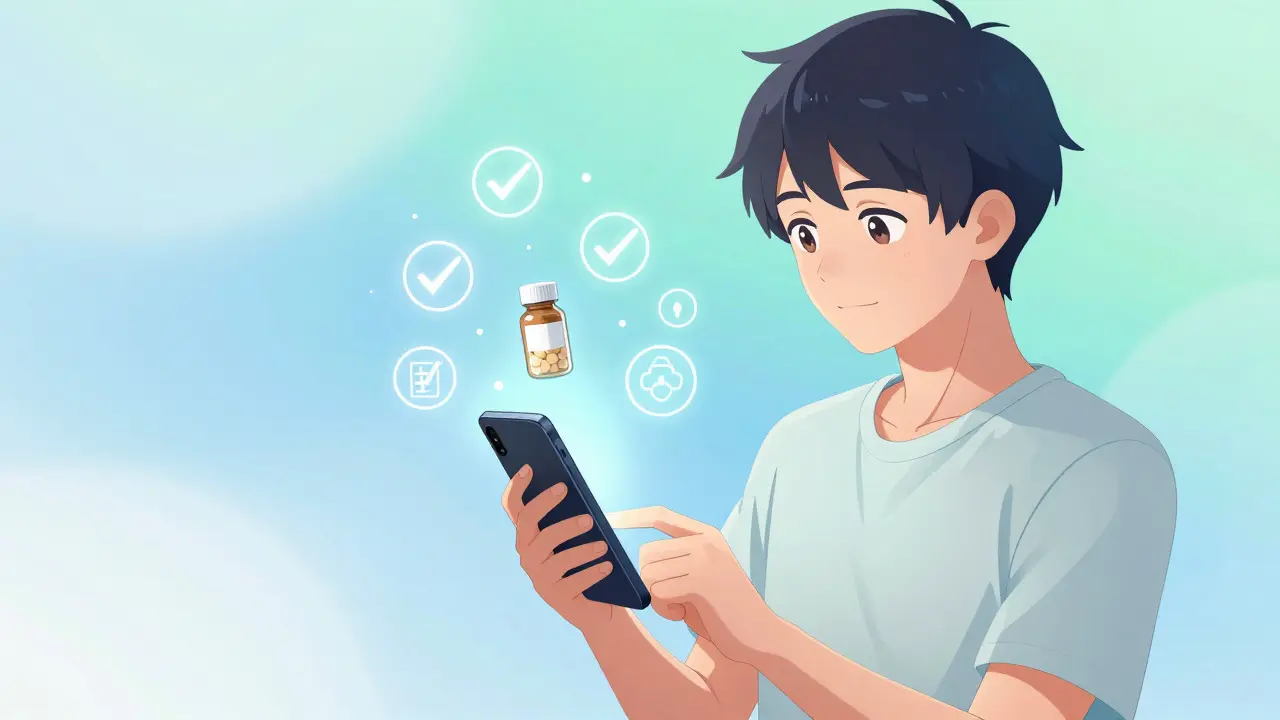
- Use Technology: Apps like Medisafe allow you to scan your pills. If a new pill looks different, the app can confirm if it’s the same medication. Digital tools improved generic medication understanding by 37% in a 2022 trial.
- Standardize Your Pharmacy: Try to fill all your prescriptions at one pharmacy. This reduces the chance of switching manufacturers unexpectedly. If you must switch, ask the pharmacist to explain any visual differences immediately.
The Role of Healthcare Providers
Patients aren't the only ones responsible for closing the literacy gap. Healthcare systems must adopt "universal precautions" for health literacy. This means assuming that every patient might have difficulty understanding complex information, regardless of their education level. It involves using plain language, avoiding jargon, and checking for understanding.
Dr. Ruth Parker, a leading expert in health literacy, has called the visual inconsistency of generics a "systemic failure in health literacy design." She argues that we need standardized packaging initiatives. Some progress is being made. The European Union’s Falsified Medicines Directive led to a 19% reduction in medication errors in pilot programs through better standardization. The FDA is also exploring standardized color-coding for therapeutic classes, inspired by successful models in Australia.
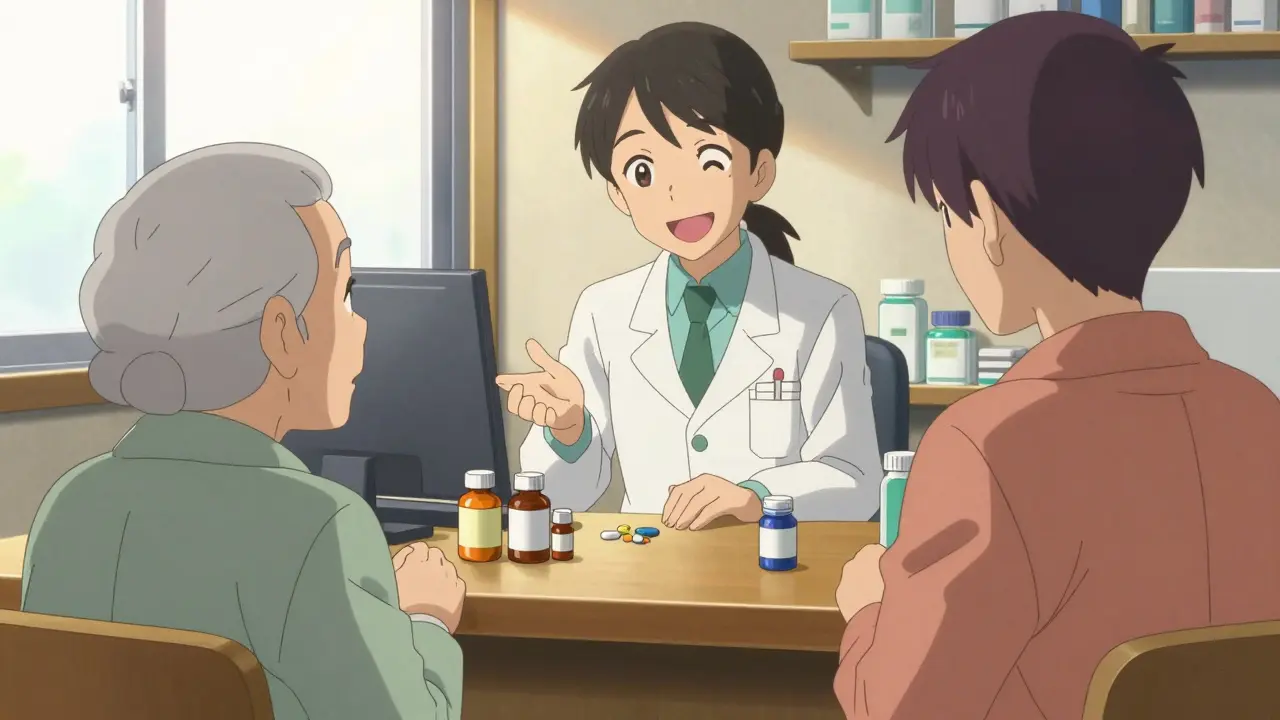
Pharmacists play a crucial role here. The American Pharmacists Association has called for pharmacist-led health literacy assessments during generic substitutions. Imagine a brief conversation at the counter: "Your blood pressure med is now a blue pill instead of white. It works the same way. Do you have any questions?" That simple interaction can prevent errors.
Looking Ahead: Solutions on the Horizon
The landscape is shifting. The global health literacy market is growing rapidly, projected to reach $6.8 billion by 2030. This growth is driven partly by the urgent need to address communication gaps like generic confusion. Governments and organizations are taking notice.
The Biden administration’s 2023 National Action Plan to Improve Health Literacy includes specific targets to reduce confusion-related errors by 25% by 2027. The WHO’s Global Health Literacy Action Plan identifies generic standardization as a priority. Pilot programs in 15 countries have already shown a 41% improvement in correct medication use when visual consistency is maintained.
Technology is also advancing. AI-powered medication recognition tools demonstrated a 63% improvement in generic understanding among patients with low health literacy in a 2023 New England Journal of Medicine study. As these tools become more accessible, they offer a promising frontier for patient safety.
Take Control of Your Medication Knowledge
Understanding health literacy and generics is not just about memorizing facts. It’s about building a habit of curiosity and verification. Don’t assume you know what’s in the bottle. Ask questions. Use technology. Talk to your pharmacist. By taking these small steps, you protect your health and help build a safer healthcare system for everyone.
Remember, your health is a partnership. You bring your questions; providers bring clarity. Together, you can navigate the complexities of modern medicine with confidence.
What should I do if my generic pill looks different?
First, check the label to ensure the drug name and dosage match your prescription. Then, call your pharmacist. They can confirm if the manufacturer changed and reassure you that the medication is safe. Do not stop taking your medication without consulting a healthcare professional.
Can inactive ingredients in generics cause side effects?
While rare, some people may be sensitive to specific inactive ingredients like dyes or gluten used in certain generic formulations. If you experience new side effects after switching generics, inform your doctor. They may switch you to a different generic brand or back to the brand-name drug.
How can I improve my health literacy?
Start by asking for plain-language explanations from your doctors. Use reliable sources like the FDA or Mayo Clinic for research. Bring a friend or family member to appointments to help listen and take notes. Practice the "teach-back" method by repeating instructions in your own words to confirm understanding.
Is it legal for pharmacies to switch generic manufacturers?
Yes, in most cases, pharmacies can substitute one generic manufacturer for another as long as the active ingredient and dosage are identical. This is known as generic substitution. However, some states require patient consent, and doctors can write "dispense as written" to prevent substitution if necessary.
What is the "Brown Bag" medication review?
It is a strategy where patients bring all their current medications (prescription, over-the-counter, supplements) in a bag to their doctor's appointment. The provider reviews everything to check for interactions, duplicates, and adherence issues. It is highly effective for catching errors caused by generic switches.