
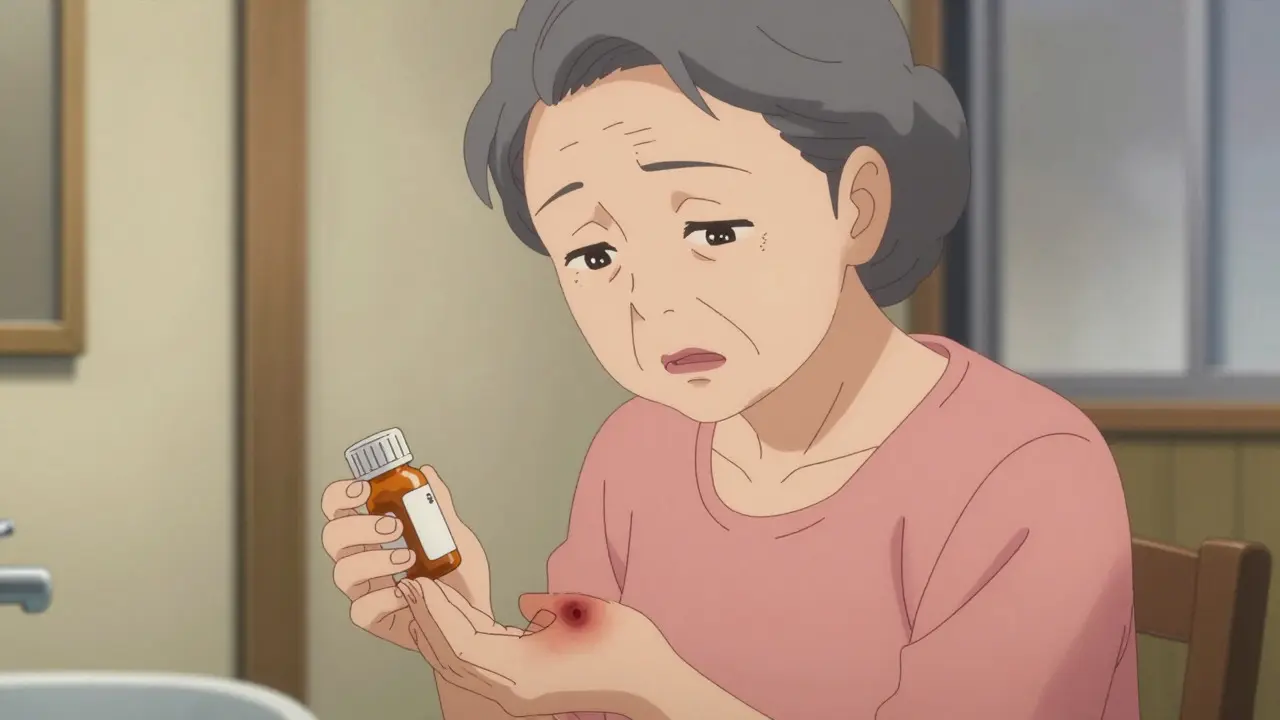
Imagine you are on a blood thinner to protect your heart, but suddenly you notice black, tarry stools or bruising that appears out of nowhere. It is easy to brush it off as a minor issue, especially if you feel okay otherwise. But with anticoagulants, waiting can be deadly. A blood thinner overdose does not always mean someone swallowed a handful of pills. It often happens when drug levels build up too high in the system due to interactions, missed monitoring, or accidental double-dosing. The result? Your blood loses its ability to clot, turning minor scrapes into major hemorrhages and hiding dangerous internal bleeding inside your gut or brain.
This guide cuts through the medical jargon to tell you exactly what to look for, who to call, and how hospitals treat these emergencies today. Whether you are managing your own medication or caring for an elderly parent, knowing the difference between a nuisance bleed and a life-threatening crisis saves lives.
Recognizing the Silent Signs of Internal Bleeding
Most people think bleeding means seeing red blood. With blood thinners, the danger is often invisible until it is too late. You need to watch for specific changes in your body’s waste products and skin condition. These are not vague feelings; they are concrete data points that signal your coagulation system has failed.
- Gastrointestinal clues: Look for stools that are black, tarry, and sticky (melena). This indicates digested blood from the upper stomach or small intestine. Alternatively, bright red blood mixed with stool suggests lower GI bleeding. Vomiting material that looks like coffee grounds is another critical sign of upper GI hemorrhage.
- Urinary changes: Urine should never be pink, red, or dark brown. This color change signals blood in the urinary tract, which can range from bladder irritation to kidney damage.
- Skin indicators: Watch for petechiae-tiny, flat, round red spots under the skin that do not fade when pressed. Large bruises appearing without injury, or bleeding from gums that lasts more than 10 minutes despite pressure, are also red flags.
- Neurological symptoms: Sudden severe headaches, confusion, dizziness, or weakness on one side of the body can indicate intracranial hemorrhage (bleeding in the brain). This is a medical emergency requiring immediate transport to the ER.
A study published in the Blood Journal noted that nearly 30% of patients delay seeking help because they mistake early symptoms for less serious conditions. Do not wait. If you see any of these signs, assume the worst and act immediately.
Why Blood Thinners Become Toxic
To understand an overdose, you must understand how these drugs work. There are two main classes of oral anticoagulants, and they behave very differently in the body.
| Drug Class | Common Names | Mechanism of Action | Monitoring Required? | Reversal Agent Available? |
|---|---|---|---|---|
| Vitamin K Antagonists | Warfarin (Coumadin) | Inhibits vitamin K-dependent clotting factors II, VII, IX, X | Yes (INR testing) | Yes (Vitamin K, PCC) |
| Direct Oral Anticoagulants (DOACs) | Apixaban, Rivaroxaban, Dabigatran | Directly inhibits Factor Xa or Thrombin | No routine monitoring | Yes (Idarucizumab, Andexanet alfa) |
Warfarin is tricky because it interacts with food and other medications. Vitamin K-rich foods (like spinach or kale) can lower its effect, while antibiotics or alcohol can spike it. An "overdose" often occurs when a patient’s INR (International Normalized Ratio) rises above the therapeutic range. For most patients, an INR over 4.5 is concerning; over 10 is dangerous. Warfarin takes days to leave the system, so even after stopping the drug, the risk remains for up to nine days.
DOACs like Eliquis (apixaban) and Xarelto (rivaroxaban) are newer and generally safer, but they still carry risks. Because they are not routinely monitored via blood tests, patients may not realize their drug levels are too high until bleeding starts. Kidney function plays a huge role here-if your kidneys fail, the drug builds up in your blood, effectively creating an overdose situation even if you took the correct dose.
Immediate Actions: What to Do Right Now
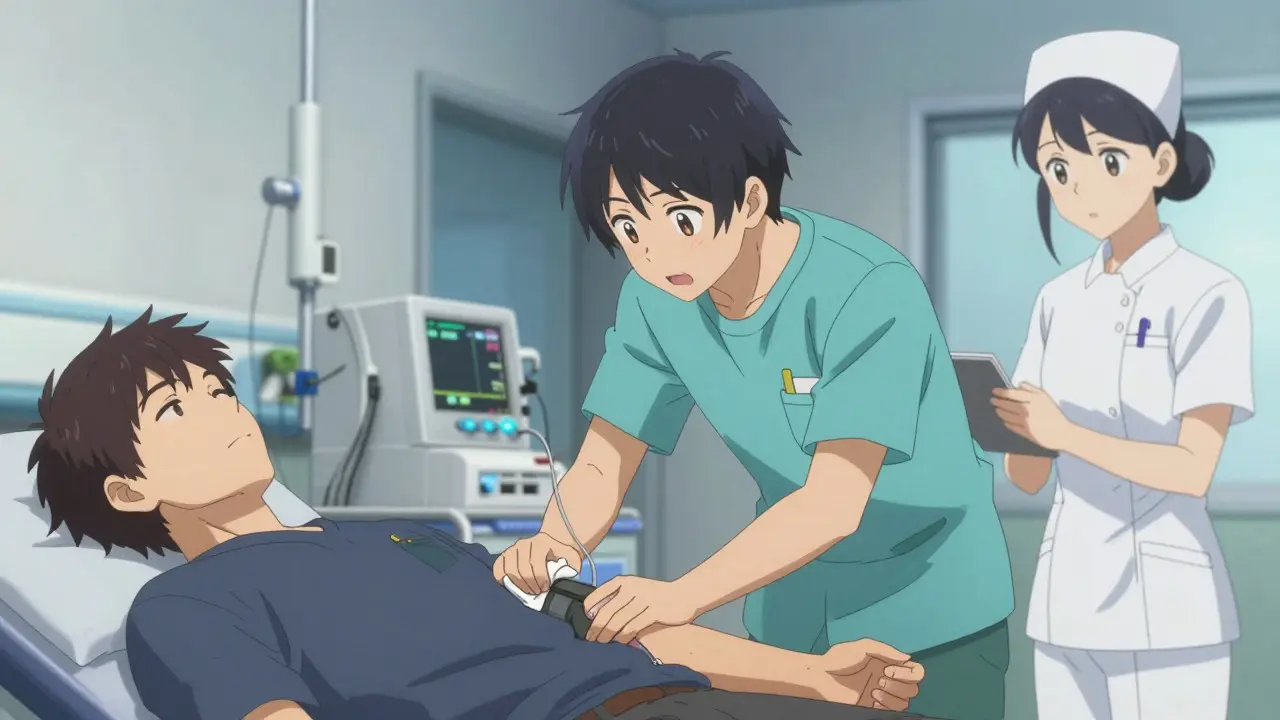
If you suspect an overdose or active bleeding, panic helps no one. Follow this step-by-step protocol to stabilize yourself or your loved one before professional help arrives.
- Call Emergency Services: Dial 999 (UK) or 911 (US) immediately if there is heavy bleeding, coughing up blood, or signs of stroke (slurred speech, facial drooping). Do not drive yourself to the hospital.
- Stop the Medication: Do not take the next scheduled dose. If you just took a pill within the last hour, do not induce vomiting unless instructed by a poison control center.
- Apply Pressure: For external bleeding, apply firm, continuous pressure with a clean cloth for at least 10-15 minutes. Elevate the injured area above heart level if possible.
- Document Details: Write down the name of the drug, the dose taken, and the time of the last dose. Bring the pill bottle to the hospital. This information dictates whether doctors give you Vitamin K, plasma, or specific reversal agents.
- Avoid NSAIDs: Do not take aspirin, ibuprofen, or naproxen. These drugs inhibit platelet function and will worsen bleeding. Use acetaminophen (paracetamol) only if necessary for pain, and inform the doctor.
The American Heart Association emphasizes that every hour counts. In cases of significant INR elevation, rapid intervention reduces the risk of fatal hemorrhage significantly.
How Hospitals Treat Blood Thinner Overdoses
When you arrive at the emergency room, the treatment depends entirely on the type of blood thinner involved and the severity of the bleeding. Doctors do not guess; they follow strict clinical guidelines based on your INR levels or anti-Xa activity.
Treating Warfarin Overdose
If you are on Warfarin, the first step is checking your INR. - Mildly Elevated INR (4.5-10) without bleeding: Doctors may simply hold the next few doses or give low-dose oral Vitamin K (1-2.5 mg). - High INR (>10) or Active Bleeding: This requires aggressive reversal. The standard of care is Prothrombin Complex Concentrate (PCC), which replaces the missing clotting factors instantly. This is combined with intravenous Vitamin K (10 mg). Older methods used Fresh Frozen Plasma (FFP), but PCC works faster and carries less risk of fluid overload.
Treating DOAC Overdose
For newer drugs, specific antidotes exist now, which was not the case a decade ago. - Dabigatran (Pradaxa): Reversed by Idarucizumab. This monoclonal antibody binds directly to dabigatran, neutralizing it within minutes. - Factor Xa Inhibitors (Apixaban/Rivaroxaban): Reversed by Andexanet Alfa. This agent acts as a decoy, soaking up the anticoagulant so it cannot stop clotting. Note: These reversal agents are expensive (often costing thousands of dollars per dose) and are reserved for life-threatening bleeds or emergency surgeries. For minor bleeding, supportive care and holding the drug may be sufficient.
Preventing Future Incidents
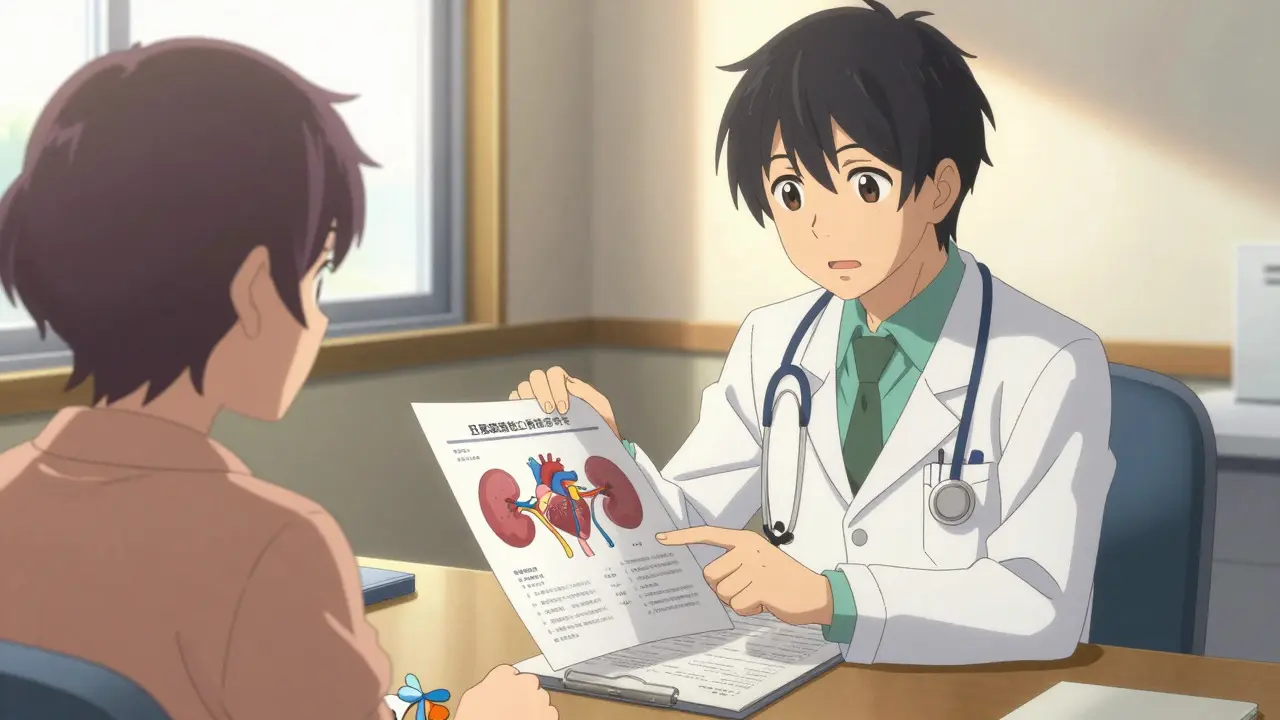
Once the crisis is over, the focus shifts to prevention. Why did this happen? Was it a drug interaction? A dietary change? A dosing error?
- Regular Monitoring: If you are on Warfarin, stick to your INR testing schedule. Consider home INR monitors if you have frequent fluctuations. Studies show these devices reduce major bleeding events by over 30% in stable patients.
- Medication Review: Ask your pharmacist to review all your prescriptions. Many common drugs, including certain antibiotics, antifungals, and herbal supplements (like St. John’s Wort), interact dangerously with blood thinners.
- Kidney Function Checks: If you are on a DOAC, get your kidney function (creatinine clearance) checked annually. Declining kidney function requires a dose adjustment to prevent toxic buildup.
- Carry Identification: Wear a medical alert bracelet stating you are on anticoagulants. This ensures paramedics know your status immediately, even if you are unconscious.
Frequently Asked Questions
How long does it take for blood thinners to leave the system after an overdose?
It depends on the drug. Warfarin has a half-life of 36-42 hours, meaning it can take 5-7 days to fully clear from your body. DOACs like Apixaban and Rivaroxaban have shorter half-lives (8-14 hours), clearing in about 2-3 days in patients with normal kidney function. However, "clearing" does not mean the bleeding risk is gone; clotting factors must be replenished, which takes time unless reversal agents are used.
Can eating too much vitamin K cause a blood thinner overdose?
No, actually the opposite. Eating large amounts of vitamin K (found in leafy greens) can make Warfarin less effective, increasing the risk of clots, not bleeding. An "overdose" effect (too much bleeding) usually comes from taking too much Warfarin, interacting drugs that boost Warfarin levels, or liver/kidney failure preventing drug clearance.
What is the difference between a bruise and internal bleeding?
A bruise is bleeding under the skin, which is visible. Internal bleeding occurs inside body cavities, such as the abdomen, chest, or brain. Signs of internal bleeding include unexplained abdominal pain, swelling, dizziness, fainting, rapid heartbeat, and low blood pressure. Unlike a bruise, you cannot see internal bleeding, making it far more dangerous.
Is it safe to drink alcohol while on blood thinners?
Moderation is key, but alcohol increases bleeding risk. Alcohol can irritate the stomach lining, leading to ulcers that bleed easily. It also affects liver enzymes that metabolize Warfarin, causing unpredictable INR spikes. For DOAC users, excessive alcohol can worsen dizziness and fall risk, leading to traumatic head injuries.