
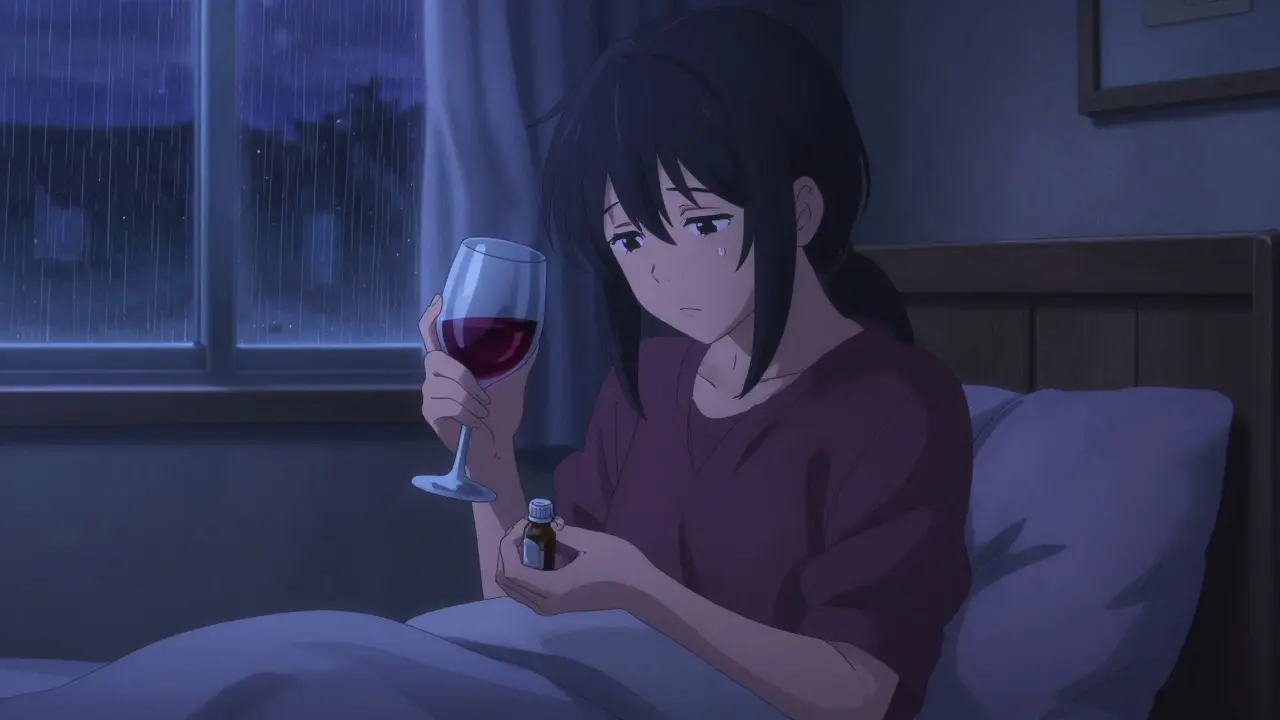
It is a common scene in many households: you have had a stressful day, perhaps a glass or two of wine to unwind, and then you realize you still cannot fall asleep. So, you reach for your prescribed sleep aid or an over-the-counter option, thinking the combination will just help you knock out faster. This logic feels intuitive, but it is medically dangerous. Mixing alcohol and sleep medications does not simply add their effects together; it multiplies them in ways that can lead to respiratory failure, memory loss, and even death.
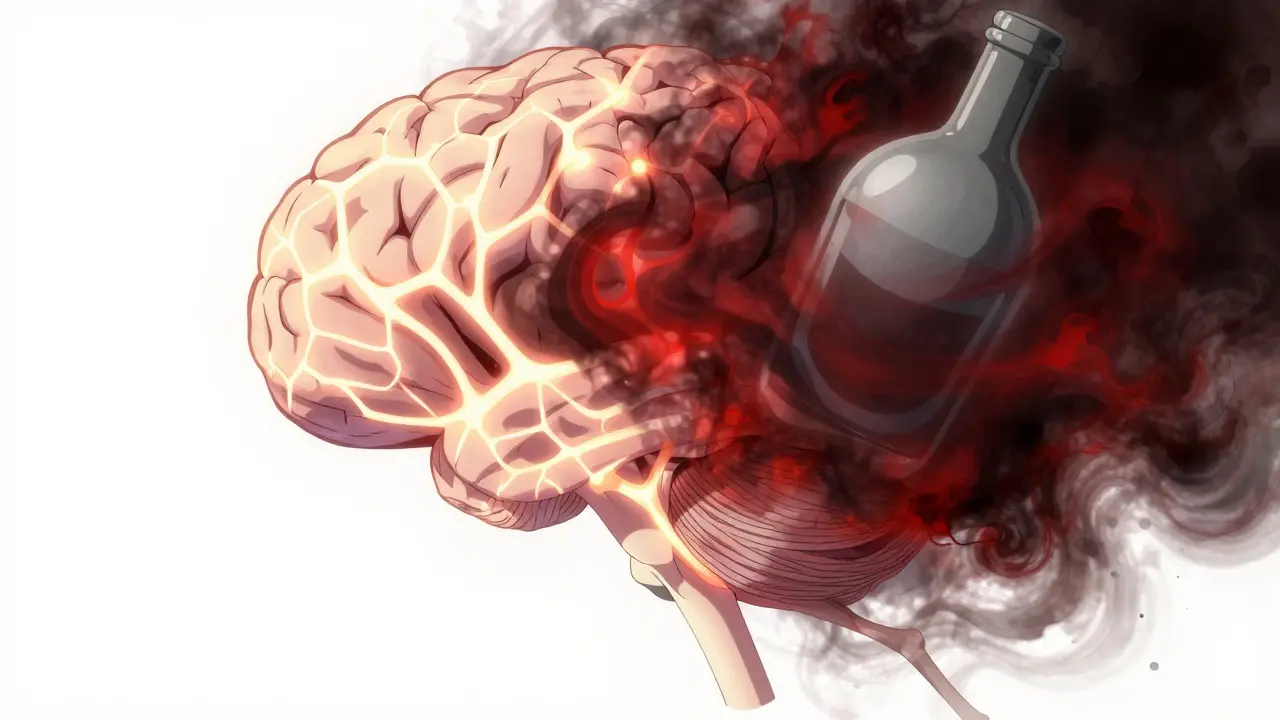
The danger lies in how these substances interact with your brain's chemistry. Both alcohol and most sleep aids are central nervous system (CNS) depressants. When taken separately, they slow down brain activity. When combined, they create a synergistic effect that overwhelms your body's ability to regulate breathing and consciousness. Understanding this interaction is not just about following rules; it is about protecting your life from preventable harm.
How the Interaction Works: More Than Just Additive Effects
To understand why this mix is so risky, we need to look at what happens inside your brain. Most prescription sleep medications, including benzodiazepines and Z-drugs, work by enhancing the activity of a neurotransmitter called GABA. GABA acts as a brake pedal for your brain, calming neural activity to induce sleep. Alcohol also potentiates GABA receptors, meaning it boosts this calming signal.
When you combine the two, you are essentially slamming on the brakes while also cutting the engine. According to research published in the NIAAA’s 2023 technical bulletin, this shared pathway leads to exponentially increased sedation rather than merely additive effects. Dr. Robert Swift, a professor at Brown University, explains that this synergy can cause your heart rate and breathing to drop to dangerously low levels. Your body may shut down essential functions before you even realize you are unconscious.
This interaction is not limited to heavy drinking. Even small amounts of alcohol can significantly alter how your body processes sleep medication. For instance, studies show that blood alcohol concentrations as low as 0.02%-equivalent to one standard drink-can amplify the half-life of zolpidem (Ambien) from 2.5 hours to over 6 hours. This means the drug stays in your system much longer, increasing the window of vulnerability to side effects like confusion and falls.
Risk Profiles by Medication Type
Not all sleep aids carry the same level of risk when mixed with alcohol, though none are considered safe. Medical professionals categorize these medications into three primary groups, each with distinct dangers.
| Medication Class | Common Examples | Primary Risk with Alcohol | Severity Level |
|---|---|---|---|
| Z-Drugs | Zolpidem (Ambien), Eszopiclone (Lunesta), Zaleplon (Sonata) | Complex sleep behaviors (sleep-driving), severe respiratory depression | High (Most Acute) |
| Benzodiazepines | Lorazepam (Ativan), Temazepam (Restoril), Clonazepam (Klonopin) | Profound sedation, memory blackouts, high overdose potential | High |
| OTC Antihistamines | Diphenhydramine (ZzzQuil), Doxylamine (Unisom) | Falls, fractures, delirium (especially in older adults) | Moderate to High (Age-Dependent) |
| Melatonin Supplements | Natrol, Nature Made Melatonin | Increased next-day drowsiness, mild impairment | Low to Moderate |
Z-drugs present the most acute danger due to their rapid onset and specific receptor binding properties. Data from the FDA’s 2021 meta-analysis shows that Ambien-alcohol combinations accounted for 63% of all sleep medication-alcohol related emergency department visits, despite representing only 38% of prescriptions. The impairment caused by this mix is staggering: driving simulator tests reveal that combining zolpidem with alcohol produces 2.7 times greater impairment in driving ability than alcohol alone at a legal BAC limit of 0.08%.
Benzodiazepines, often prescribed for anxiety and insomnia, also pose severe risks. They have a longer duration of action, which means the sedative effects linger well into the next day. If you consume alcohol later in the evening or the next morning, you risk a delayed but potent interaction. This class of drugs showed 1.9 times greater impairment under identical testing conditions compared to alcohol alone.
Over-the-counter (OTC) options like diphenhydramine are often perceived as safer because they do not require a prescription. However, for adults over 65, the Cleveland Clinic’s 2023 patient safety report documented that diphenhydramine combined with alcohol increases fall risk by 300%. Emergency department visits for hip fractures in this demographic skyrocketed from 12.7 to 51.3 per 100,000 patient-years when these substances were mixed.
Real-World Consequences: Beyond Drowsiness
The consequences of mixing alcohol and sleep meds extend far beyond feeling groggy the next day. One of the most terrifying outcomes is complex sleep behavior. This includes activities like sleep-driving, sleep-eating, or making phone calls while fully unconscious. The American Academy of Sleep Medicine reports that the incidence of these behaviors rises from 0.15% with Z-drugs alone to 2.4% when combined with alcohol.
User experiences corroborate these clinical findings. On platforms like Reddit, thousands of users share stories of waking up miles from home with no memory of how they got there. A representative post from March 2023 described a user who woke up two miles from home after taking half an Ambien with two glasses of wine. These are not isolated incidents; they are predictable physiological responses to CNS depression.
Respiratory depression is another critical risk. Physiological monitoring studies published in the Journal of Clinical Sleep Medicine demonstrated that combining therapeutic doses of eszopiclone (Lunesta) with a 0.08% blood alcohol concentration reduced respiratory rates from 16 breaths per minute to 9.3 breaths per minute. Oxygen saturation dropped to 84.7%, a level that can cause organ damage or death if sustained. In fatal cases, Dr. Bankole Johnson noted that 83% occurred at blood alcohol concentrations below the legal driving limit, highlighting that you do not need to be "drunk" to die from this interaction.
Vulnerable Populations: Age and Metabolism
Your age plays a significant role in how your body handles these interactions. As we age, our liver's ability to metabolize both alcohol and sedatives declines. The American Geriatrics Society notes that age-related decline in hepatic metabolism increases the half-lives of both substances by 40-60%. This creates a prolonged period where dangerous interactions can occur.
For adults over 65, the recommendation is strict avoidance. The Beers Criteria, a guideline for potentially inappropriate medication use in older adults, warns that diphenhydramine-alcohol combinations increase delirium risk by 400%. Delirium in older adults can mimic dementia, leading to long-term cognitive issues and hospitalization. Furthermore, adults aged 35-54 represent 52% of emergency department visits for these interactions, suggesting that middle-aged adults, who may feel invincible, are particularly prone to underestimating the risks.
Safety Guidelines and Best Practices
If you are prescribed sleep medication, adhering to strict safety protocols is non-negotiable. Here are the key steps to protect yourself:
- Follow the Zero-Tolerance Rule: The FDA explicitly states that concomitant use of alcohol with Z-drugs is contraindicated. No amount of alcohol is considered safe.
- Maintain an Alcohol-Free Window: The NIAAA recommends a minimum 6-hour alcohol-free window before taking Z-drugs and 12 hours for benzodiazepines. This allows your body to process the alcohol before introducing the sedative.
- Read the Label Carefully: OTC sleep aids often contain antihistamines that interact with alcohol. Check ingredients for diphenhydramine or doxylamine.
- Avoid Next-Day Driving: Even if you did not drink alcohol, residual sedation from sleep aids can impair driving. Never drive until you have had a full night's sleep and feel completely alert.
- Consult Your Pharmacist: Pharmacists are trained to identify drug interactions. Ask them specifically about alcohol interactions when filling any new prescription.
Patient education gaps remain a significant issue. A 2022 survey revealed that 68% of patients reported inadequate counseling about alcohol interactions during their initial consultation. Do not rely solely on your doctor's verbal warning; read the medication guide provided by the pharmacy. The FDA now requires bold, 14-point font warnings stating "Do not consume alcohol while taking this medication" on all sleep aid packaging.
Alternatives and Future Developments
If you struggle with insomnia and also consume alcohol, traditional sleep medications may not be the right choice. The medical community is increasingly prioritizing non-pharmacological interventions for patients with any alcohol use. Cognitive Behavioral Therapy for Insomnia (CBT-I) has been shown to be more effective than medication in the long term without the risk of dangerous interactions.
Newer classes of sleep medications are also emerging. Orexin receptor antagonists, such as Dayvigo (lemborexant), approved by the FDA in 2023, offer a different mechanism of action. Unlike GABA-enhancing drugs, they target the orexin system to promote wakefulness suppression. Clinical trials show only a 15% increase in half-life when combined with alcohol, compared to 150-200% for Z-drugs. While not risk-free, they present a significantly safer profile for those who cannot abstain from alcohol entirely. However, medical consensus still advises caution and open discussion with your healthcare provider.
Can I have one glass of wine with my sleeping pill?
No. Medical guidelines state that no amount of alcohol is safe when using prescription sleep aids. Even a single standard drink can significantly amplify the sedative effects, leading to respiratory depression, memory loss, and impaired motor skills. The interaction is synergistic, meaning the combined effect is greater than the sum of individual effects.
Is it safe to mix alcohol with over-the-counter sleep aids like ZzzQuil?
Mixing alcohol with OTC sleep aids containing diphenhydramine or doxylamine is dangerous, especially for older adults. It significantly increases the risk of falls, fractures, and delirium. While the risk of fatal respiratory depression may be lower than with prescription Z-drugs, the physical dangers of impaired coordination and balance are severe.
What are the signs of a dangerous alcohol-sleep medication interaction?
Signs include extreme drowsiness, difficulty waking up, slowed or shallow breathing, confusion, memory blackouts, and slurred speech. If someone exhibits these symptoms, seek immediate medical attention. Call emergency services if breathing stops or becomes irregular.
How long should I wait after drinking before taking a sleep aid?
The NIAAA recommends waiting at least 6 hours after consuming alcohol before taking Z-drugs and 12 hours for benzodiazepines. However, the safest approach is to avoid alcohol entirely on nights when you plan to take sleep medication.
Are there safer alternatives to traditional sleep medications for people who drink?
Yes. Cognitive Behavioral Therapy for Insomnia (CBT-I) is highly effective and has no drug interactions. Newer medications like orexin receptor antagonists (e.g., Dayvigo) have a lower risk profile regarding alcohol interactions compared to Z-drugs and benzodiazepines, though caution is still advised. Always consult your doctor for personalized advice.