
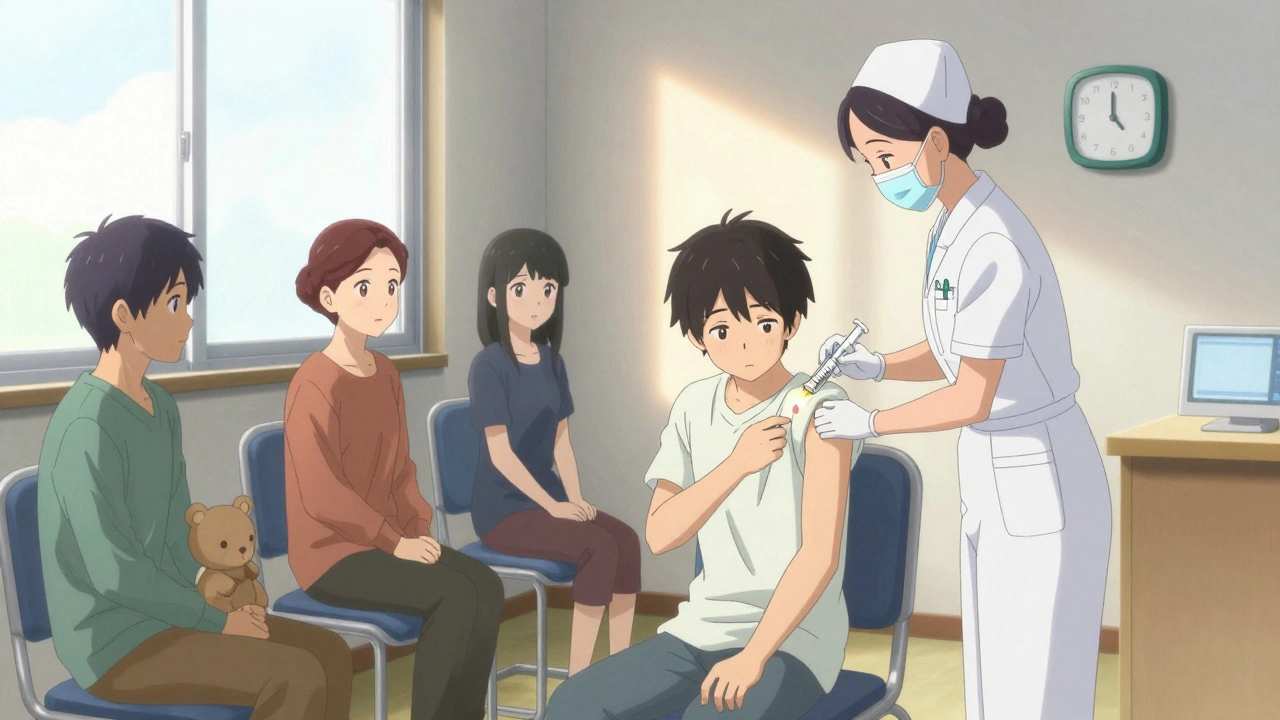
When you get a vaccine, your body learns how to fight off a virus without actually getting sick. But for a tiny number of people, something unexpected happens: their body reacts badly. It’s not common. In fact, it’s rarer than being struck by lightning. Still, when it does happen, it matters. That’s why we have systems in place to catch these rare events, understand them, and keep vaccines safe for everyone.
How Rare Are Allergic Reactions to Vaccines?
Let’s start with the numbers. Across all vaccines given in the U.S., anaphylaxis - the most serious type of allergic reaction - happens about 1.3 times per million doses. That’s less than one in a million. For the mRNA COVID-19 vaccines, the rate was slightly higher: around 5 to 11 cases per million doses. But even that’s still incredibly rare. To put it in perspective, you’re more likely to be injured by a vending machine than have a serious allergic reaction to a vaccine.
Most reactions happen fast. About 86% of anaphylaxis cases show up within 30 minutes of getting the shot. And more than 70% happen within the first 15 minutes. That’s why clinics ask you to wait after vaccination. It’s not just a formality - it’s a safety net.
What Triggers These Reactions?
People often assume the virus part of the vaccine causes the reaction. But it’s usually not the virus or bacteria in the shot. It’s something else - a stabilizer, preservative, or protein used to make the vaccine work.
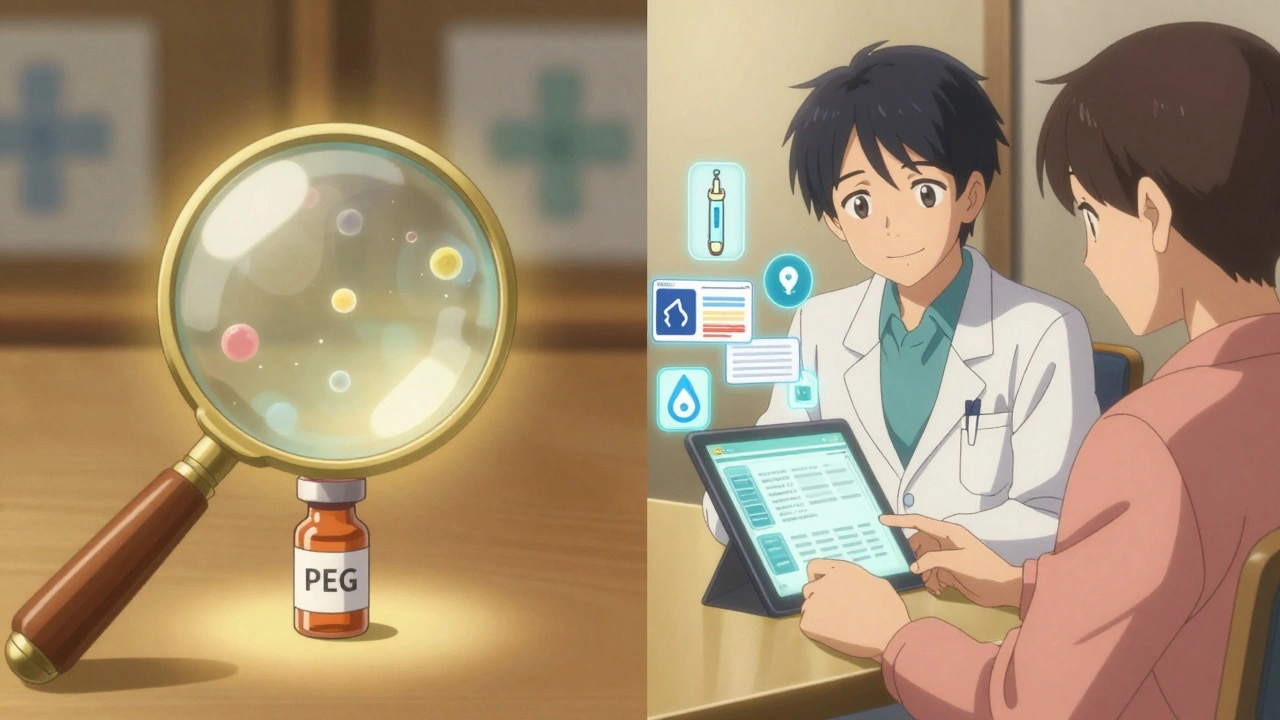
One known trigger is polyethylene glycol (PEG), found in mRNA vaccines like Pfizer and Moderna. If someone has a known severe allergy to PEG, they’re advised to talk to an allergist before getting these vaccines. Another rare trigger is yeast protein, used in hepatitis B and HPV vaccines. But even here, the risk is tiny. Out of 180,000 allergy reports in the national database, only 15 were possibly linked to yeast - and even those weren’t confirmed.
And what about egg allergies? For years, people with egg allergies were told to avoid flu shots. That changed. Studies now show over 4,300 egg-allergic individuals - including 656 with past severe reactions - got the flu vaccine without serious issues. The CDC and the American Academy of Allergy, Asthma & Immunology both say no special precautions are needed. You can get the flu shot like anyone else.
What Do These Reactions Look Like?
Anaphylaxis isn’t just a rash. It’s a full-body response. Symptoms can include:
- Hives, swelling of the face or throat
- Wheezing or trouble breathing
- Rapid heartbeat or dizziness
- Nausea, vomiting, or fainting
Less severe reactions - like redness, itching, or a mild rash - are more common. These aren’t usually allergic. They’re just your body’s way of reacting to the needle or the immune system getting stirred up. They go away on their own within a day or two.
Some people get large swelling at the injection site after DTaP shots. It can look scary - the whole arm might swell up. But it’s not an allergy. It’s a normal, harmless response called “Arthus reaction.” No treatment is needed.
How Do We Know When Something Goes Wrong?
The U.S. doesn’t just hope for the best. We have a real-time safety net called VAERS - the Vaccine Adverse Event Reporting System. It’s run by the CDC and FDA. Anyone - doctors, patients, parents - can report a reaction after a vaccine. It’s not proof the vaccine caused it. But it’s a signal. If a pattern shows up - say, 20 people with the same reaction after the same vaccine - experts dig in.
Since 1990, VAERS has helped catch issues early. After the 1976 swine flu vaccine linked to Guillain-Barré syndrome, the system got stronger. Today, it handles 30,000 to 50,000 reports a year. Only a small fraction are allergic reactions. But every single one is reviewed.
There’s also v-safe, a smartphone tool created during the pandemic. It sent daily check-ins to people after they got their COVID shot. Over 3.6 million people used it. It helped spot patterns faster than ever before.
What Happens If You’ve Had a Reaction Before?
If you’ve ever had a serious allergic reaction to a vaccine - or to something in it like PEG or gelatin - you don’t automatically avoid all future shots. You get evaluated.
An allergist can help figure out what caused it. They might do skin tests or blood work. For example, if you reacted to the first dose of an mRNA vaccine, they can test whether it was PEG or something else. If it’s confirmed, they might suggest a different type of vaccine - like Novavax, which doesn’t use PEG.
For most people, the next dose is still safe. Many who had a mild reaction to their first shot had no issues with the second. The key is knowing what you’re reacting to, not avoiding vaccines altogether.
What Do Clinics Need to Be Ready For?
Every place that gives vaccines - pharmacies, doctor’s offices, schools - must be prepared. That means having:
- Epinephrine (1:1,000 concentration) on hand - the only medicine that stops anaphylaxis
- A blood pressure cuff and timer
- Staff trained to recognize symptoms and act fast
They also need to know to observe patients for at least 15 minutes after vaccination. For those with a history of allergic reactions, they wait 30 minutes. That’s not arbitrary. It’s based on data showing most reactions happen in that window.
And here’s something important: if a reaction happens, it must be reported to VAERS within 24 hours. That’s not optional. It’s part of keeping the system working.

Why This Matters for Public Trust
When people hear about a rare reaction, it can scare them. That’s why misinformation spreads so easily. But the truth is, vaccines are among the safest medical products we have. The risk of serious harm from the disease - like measles, polio, or COVID - is thousands of times higher than the risk of a vaccine reaction.
And the systems we’ve built? They’re working. The Institute for Safe Medication Practices rates U.S. vaccine safety monitoring as “excellent.” No other medical product has this level of real-time oversight.
What’s next? Researchers are looking for biomarkers - tiny signals in the blood - that might predict who’s at risk. In five to seven years, we might have a simple test before vaccination. But even without that, we already have what we need: awareness, preparation, and transparency.
Bottom Line: Don’t Skip the Shot
If you’re worried about allergies, talk to your doctor. But don’t let fear stop you. The chance of a serious reaction is lower than winning the lottery. The chance of getting seriously sick from a preventable disease? Much higher.
Vaccines save lives. The systems watching over them are among the most advanced in medicine. They catch the rare problems so the rest of us can stay protected. And for the overwhelming majority - 99.999% of people - getting vaccinated is not just safe. It’s the smartest health choice you can make.
Can I get a vaccine if I have an egg allergy?
Yes. You can safely receive any flu vaccine, even if you’ve had a severe allergic reaction to eggs in the past. Studies involving over 4,300 egg-allergic people, including 656 with prior anaphylaxis, showed no serious reactions after vaccination. The CDC and major allergy organizations no longer recommend special precautions for egg-allergic individuals.
What should I do if I have a known allergy to PEG or polysorbate?
If you’ve had a severe allergic reaction to polyethylene glycol (PEG) or polysorbate, talk to an allergist before getting mRNA vaccines like Pfizer or Moderna. These vaccines contain PEG. Your allergist can test whether the reaction was truly to PEG and may recommend an alternative vaccine, such as Novavax, which doesn’t use PEG. Never skip vaccination without professional advice - many people with PEG allergies can still be vaccinated safely with proper planning.
How common are allergic reactions to the COVID-19 vaccines?
Anaphylaxis after mRNA COVID-19 vaccines occurred at a rate of about 5 to 11 cases per million doses. That’s roughly 1 in every 100,000 to 200,000 shots. For comparison, the rate for other vaccines is around 1.3 per million. While higher than traditional vaccines, it’s still extremely rare. Most cases happened in people with prior allergies, and all were treated successfully with epinephrine.
Do I need to wait longer after my vaccine if I’ve had a reaction before?
Yes. For the general public, a 15-minute observation period is standard. But if you’ve had a previous allergic reaction to any vaccine or injectable medication, you should wait 30 minutes. This is because 71% of anaphylaxis cases occur within the first 15 minutes, and extending the wait gives extra safety for those at higher risk.
Are aluminum adjuvants in vaccines dangerous?
No. Aluminum salts are used in many vaccines to boost the immune response. They’re not linked to anaphylaxis. The most common issue is a small, painless lump at the injection site that can last weeks or months - called a “persistent nodule.” It’s harmless and doesn’t require treatment. The rate is between 0.03% and 0.83% of doses, and it’s not an allergic reaction.
What if I had a rash after my vaccine - is that an allergy?
Not usually. Delayed rashes, hives, or redness that appear hours or days after vaccination are often not allergic. They’re usually mild, self-resolving reactions caused by the immune system responding to the vaccine. These are common (seen in 5% to 13% of recipients) and don’t mean you can’t get future doses. True allergic reactions happen quickly - within minutes to an hour.
Should I avoid vaccines if I have other allergies, like to peanuts or pollen?
No. Having allergies to food, pollen, dust, or pets does not increase your risk of reacting to vaccines. The ingredients in vaccines are not related to these allergens. The CDC and major medical groups agree that these common allergies are not a reason to avoid vaccination. Only allergies to specific vaccine components - like PEG, gelatin, or yeast - require evaluation.
What to Do Next
If you’re unsure about your history, bring your records to your doctor. If you’ve had a reaction before, ask for a referral to an allergist. They can help you understand your risk - not scare you away from protection.
And if you’re a parent, caregiver, or someone helping others get vaccinated - know this: the system is watching. The staff at your clinic are trained. The equipment is ready. The data is tracked. You’re not alone. And the odds are overwhelmingly in your favor.
Comments
vaccines are wild, man 🌱 but honestly i got mine and didn’t even feel it. my cousin thought he was gonna pass out but he just got a little dizzy. we all chill.
I appreciate how clearly this was explained. Many people don’t realize how rigorously these systems are monitored.
They’re watching us. Always watching. VAERS? More like VASTY - Vaccine Surveillance Tracking Yoke.
It’s fascinating how we’ve engineered a biological safeguard so precise that the body’s own defenses become the very mechanism of protection - and yet we still fear the mechanism because we don’t understand its poetry. The immune system doesn’t hate us. It’s learning. Like a child learning not to touch the stove.
The statistical framing here is technically accurate but profoundly misleading in a sociopolitical context. A rate of 5 to 11 per million may seem negligible, but when scaled across a population of 330 million, that’s still 1,650 to 3,630 cases annually - not a rounding error, but a systemic burden that gets normalized through linguistic minimization. The real issue isn’t the incidence rate; it’s the epistemic authority granted to institutions that refuse to acknowledge the lived experience of those who’ve suffered adverse events, even if statistically anomalous. We are not data points. We are bodies that bleed, swell, and sometimes don’t recover - and the refusal to center those narratives under the guise of ‘public health’ is a form of structural violence.
I got the Moderna shot and broke out in hives. My mom screamed. The nurse just handed me Benadryl. 😅 So yeah - it happens. But I got the second one too. No problem. 🤷♀️
If you’re worried about allergies, talk to your doctor. But don’t let fear stop you. The chance of a serious reaction is lower than winning the lottery. The chance of getting seriously sick from a preventable disease? Much higher. This is the truth we need to keep saying - gently, clearly, over and over.
I used to think the waiting room thing was just bureaucracy. Then I saw a guy get pale and start shaking after his shot. Staff had epinephrine ready. He was fine in 5 minutes. That’s not luck. That’s preparation.
The mechanistic distinction between immunogenicity and allergenicity remains underdiscussed in public discourse. While PEG is implicated in IgE-mediated anaphylaxis, the molecular mimicry hypothesis - particularly regarding polysorbate cross-reactivity - warrants deeper investigation. The absence of confirmed cases in large cohorts does not preclude latent phenotypes, especially in genetically predisposed subpopulations with polymorphisms in FcεRIα or complement regulatory genes.
In India, many still fear vaccines because of rumors. But when my neighbor’s daughter got the shot and didn’t fall sick - and then went back to school - people started listening. Trust isn’t built with data alone. It’s built with stories. And this post? It’s one of those stories.
The real marvel isn’t just that the vaccines work - it’s that the infrastructure to monitor them is so deeply embedded in public health systems that even the most vanishingly rare events are captured, analyzed, and acted upon. Compare that to pharmaceutical adverse event reporting in other countries, where delays of months or years are common. Here, we have real-time surveillance, clinical readiness, and a culture of transparency that’s rare in medicine. We should be proud of that - not defensive about it. The system isn’t perfect, but it’s the best we’ve ever had, and it’s working.