
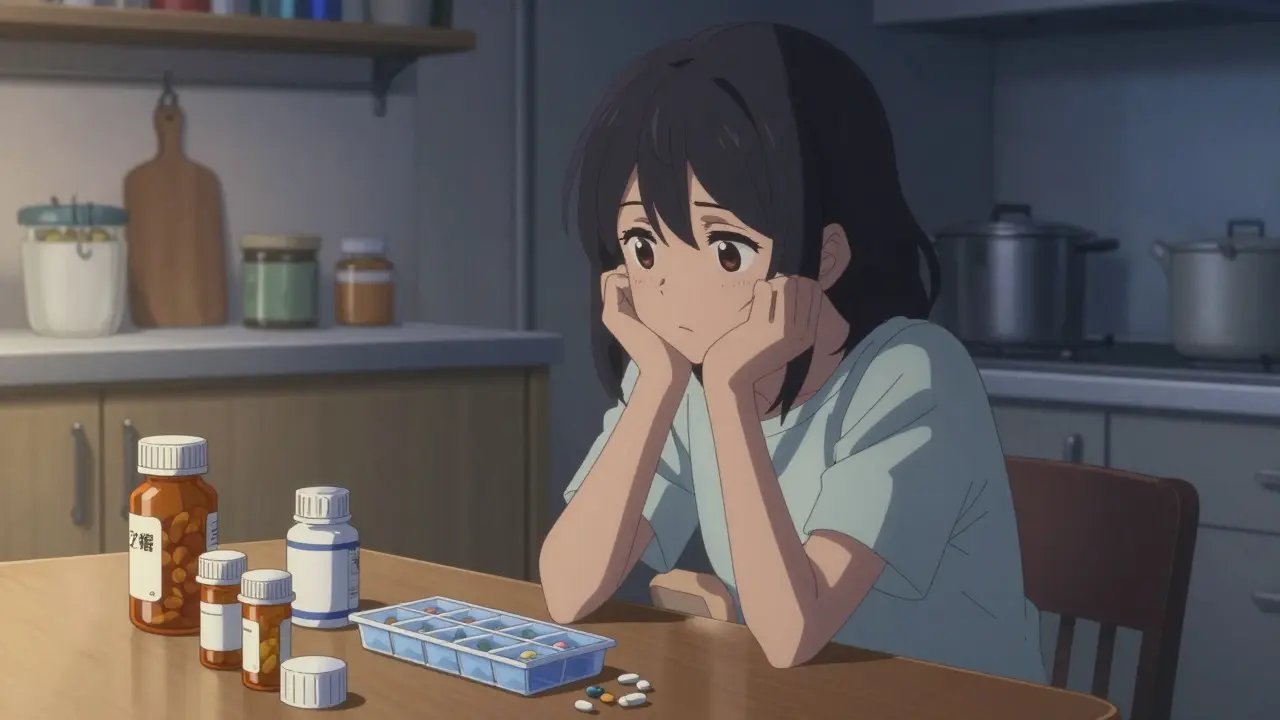
When you are fighting a chronic illness, the medical advice from a doctor is essential, but it can feel cold. A support group changes that. It transforms a lonely medical chore into a shared journey. By leveraging social influence and emotional backing, community programs help people stick to their regimens not because they are told to, but because they feel empowered to do so. This shift in mindset is why these programs can reduce hospital readmissions by as much as 15% to 30% for conditions like diabetes and hypertension.
Types of Support Models That Actually Work
Not every community program looks the same. Depending on your needs and where you live, you might encounter different structures. Some are high-touch and personal, while others are designed for maximum convenience.
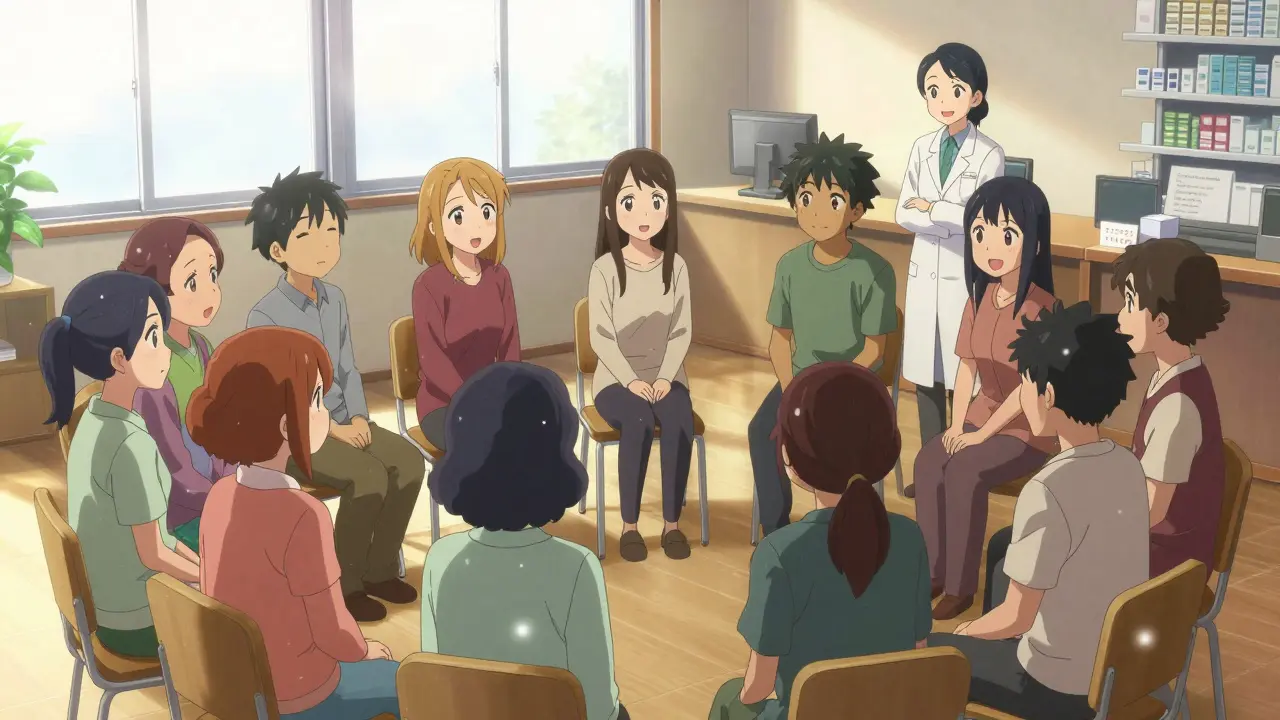
- Hospital-Based Peer Support Groups is a structured model where patients meet 1-2 times weekly in groups of 8-12 people, often moderated by a healthcare professional. These are great for those who want a clinical safety net while benefiting from peer interaction.
- Community Health Worker-Led Programs is an outreach model involving home visits, typically 4-12 sessions over several months. This is a lifesaver for people with mobility issues or those who live in "pharmacy deserts."
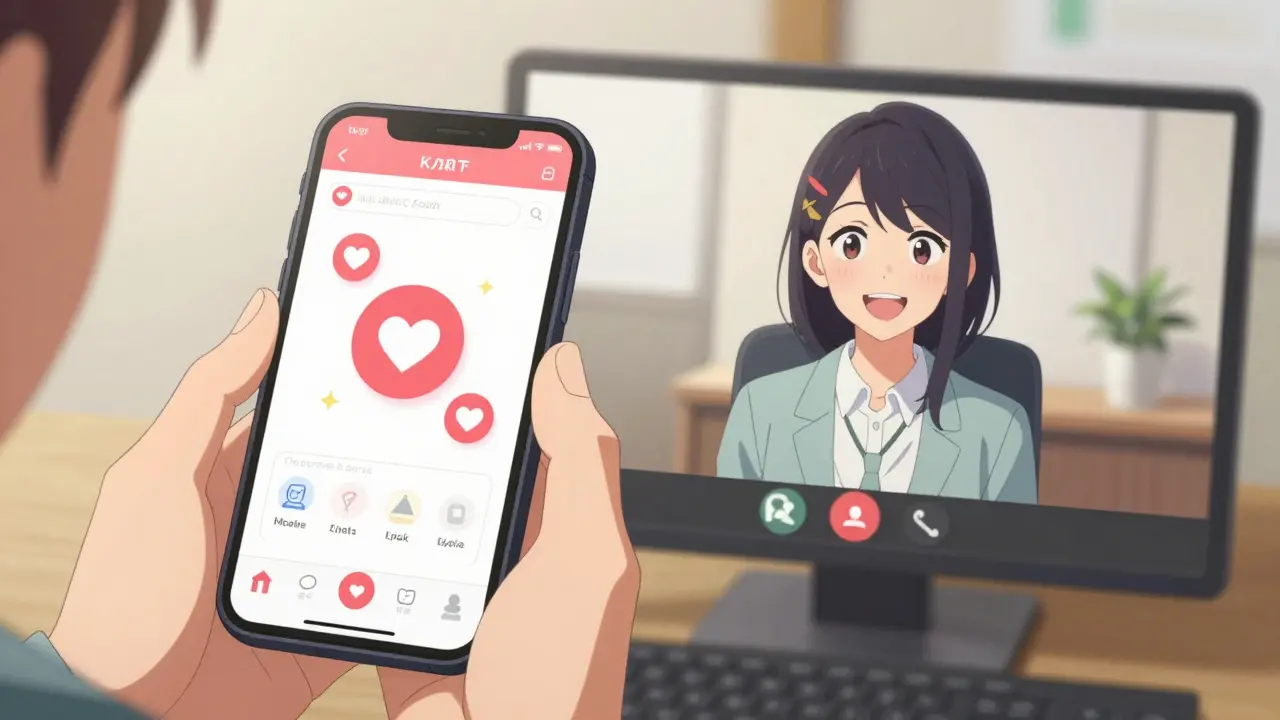
- Digital Peer Support Platforms is online communities providing 24/7 access to moderated forums and peer coaching. These are ideal for those who need immediate support or live in rural areas where face-to-face meetings aren't possible.
A great example of this in action is the Heart360 program by the American Heart Association. They use certified peer mentors-people who have managed their own heart conditions for at least two years-to lead biweekly virtual sessions. It works because the mentor isn't just a teacher; they are proof that the medication regimen is manageable in the long run.
| Intervention Type | Primary Strength | Effectiveness (Cohen's d) | Main Drawback |
|---|---|---|---|
| Educational Brochures | Easy to distribute | 0.15 | Low engagement |
| Peer Support Groups | Emotional connection | 0.40 | Scheduling conflicts |
| Mobile Health Apps | Constant reminders | 0.40 | Lacks emotional depth |
The Secret Sauce: Why Peer Support Beats a Brochure
Why does talking to a stranger with the same condition work better than reading a pamphlet? It comes down to "social networks." Dr. Karen Ladin from Tufts University explains that social support systems create a network that encourages positive lifestyle changes. When you hear someone else describe how they dealt with a specific side effect, it removes the fear of the unknown. This "practical tip sharing" is cited by 57% of users as the most valuable part of these groups.
There is also a massive psychological boost. On platforms like PatientsLikeMe, nearly 80% of users in condition-specific groups reported better adherence. For many, it is the simple feeling of "not being alone" that provides the motivation to take that last pill of the day. When a peer tells you, "I felt that too, but it got better after two weeks," it carries more weight than a doctor saying, "Side effects are common."
However, it is not just about the chatting. The most effective programs integrate a Pharmacist is a healthcare professional specialized in the utilization and safe use of medications. Research shows that pharmacist-led groups have 23% higher adherence rates than physician-led ones. Why? Because pharmacists are the experts on the drug's interaction, timing, and chemistry, which helps bridge the gap between emotional support and medical accuracy.
Common Pitfalls and How to Overcome Them
Despite the benefits, not every program is a success. Some fall flat because they ignore the actual complexity of the medication. As Professor Emeritus Dr. John Urquhart has pointed out, no amount of peer support can fix a regimen that is simply too complicated. If a patient has to take a pill six times a day, the logistical hurdle is the problem, not the lack of support. Simplifying dosing schedules can sometimes improve adherence more than a support group can.
Other common barriers include:
- Rural Isolation: Participation rates are 32% lower in rural areas due to a lack of local meeting spots. The solution here is the "hybrid model"-combining occasional in-person visits with mobile app reminders.
- Cultural Mismatches: In hypertension groups, African American participants reported 35% higher satisfaction when groups were culturally matched. Representation matters; feeling understood by someone who shares your background makes the support feel authentic.
- The "Six-Month Drop": Engagement often dips after half a year. Programs that use text message reminders see 15% lower attrition because they keep the community top-of-mind.
How to Start or Join a Successful Program
If you are a healthcare provider or a community leader looking to implement a program, don't wing it. The CDC recommends a phased 6-month rollout. Spend the first three months on facilitator training. This is critical-facilitators with fewer than 20 hours of training see a 37% drop in effectiveness. They need to master active listening and cultural competency to keep the group safe and productive.
For the patient, finding the right fit is key. Look for programs that are integrated into larger systems like the Veterans Health Administration or Kaiser Permanente, as these often have standardized protocols and professional oversight. If you're looking for a digital option, search for FDA-approved digital therapeutics that combine app-based tracking with a real human coach.
Do support groups actually improve medical outcomes?
Yes. Evidence shows that peer-led interventions can reduce hospital readmission rates by 15-30% for chronic conditions. For example, users in diabetes support groups have reported significant drops in A1c levels by reducing missed doses.
Are these programs expensive to join?
Many nonprofit community programs are free to participants and are funded through grants. Some hospital-based programs are covered by insurance or Medicare Advantage plans, as these insurers recognize that better adherence saves them money on expensive emergency room visits.
Can an app replace a face-to-face support group?
Apps are great for reminders and tracking, but they lack the emotional support of a human group. Research indicates that face-to-face peer groups result in 28% higher long-term adherence rates than apps alone. The best results come from hybrid models that use both.
What if I feel uncomfortable in a group setting?
About 29% of people feel this way. If a large group is intimidating, look for one-on-one peer mentoring or moderated online forums where you can participate at your own pace before moving to a live call or meeting.
How do I know if a support group is legitimate?
Look for programs that have professional oversight, such as a supervising pharmacist or a licensed social worker. Be cautious of groups that give medical advice contradicting your doctor's orders without clinical supervision.
Next Steps for Better Adherence
If you are struggling to keep up with your meds, start by talking to your pharmacist. They can help you simplify your dosing schedule-which is often the first step toward success. Once the logistics are sorted, look for a peer group. Whether it is a local hospital meeting or a moderated forum like HealthUnlocked, connecting with others who "get it" is the most sustainable way to stay on track. If you are a provider, focus on a hybrid approach: combine the digital convenience of an app with the emotional weight of a human support system.
Comments
The point about pharmacists being more effective than doctors for adherence makes a lot of sense. They're the ones who actually handle the logistics of the medication, so they see the practical friction points we encounter daily. It is fascinating how a small shift in who leads the group can swing the success rate by 23%.
Everyone knows pill organizers are basically useless if you just forget to look at them.
I totally agree with the focus on community! I've seen so many people in my own circles gain confidence just by talking to someone who has been there for years. It's all about that shared experience and the feeling that you aren't fighting this battle alone. We should really push for more of these hybrid models in urban centers where people are often isolated despite being surrounded by millions!
Digital platforms are just tools for surveillance. They want your data to sell to big pharma. Don't trust the apps.
The data on cultural matching is particularly poignant. When patients feel seen and understood by peers from their own background, the psychological barriers to treatment often dissolve. It's not just about the medicine; it's about the trust established within the community. I've observed that tailored outreach significantly lowers the attrition rates in underserved populations, making the healthcare system feel far more accessible and less like a cold institution.
Spot on with the pharmacist point! I always tell people to treat their pharmacist as their primary resource for timing and interactions. If you're struggling, go in and ask them to help you simplify your schedule. Sometimes just moving one pill to the morning can change your entire day and make it way easier to stay on track. Let's get after it and take control of our health!
Most of these programs are just a waste of time if the meds don't work anyway.
The author tries to paint a pretty picture, but the reality is that human nature is fundamentally lazy. You can have a support group, a pharmacist, and a digital coach, but if a person lacks the internal discipline to care about their own survival, no amount of social networking will fix it. It is a basic failure of will, not a failure of the 'model' or the 'system'. We love to complicate simple failures with sociological jargon like 'cultural mismatch' just to avoid saying some people just don't try.
stop overthinking it and just help people’s lives
the data is clear peer support works and we need more of it now
This is so helpful! 😊 I think it's really nice that people help each other out like this. Everyone deserves a little kindness 💖
It's really brave for people to join these groups. Just knowing someone else feels the same way can make a huge difference in your day.
The integration of professional oversight is vital. Community support is wonderful, but clinical accuracy must remain the priority to ensure patient safety.
Actually... a lot of people just need a kick in the pants!! Support is great, but accountability is where the real magic happens... don't you think?!
existence is a series of habits and we are just creatures of routine
the support group is just a way to mirror a healthier version of ourselves through another
It's wonderful to see such a comprehensive guide to getting better. There's always a way forward if we support one another and keep a positive outlook on the future of community health.