
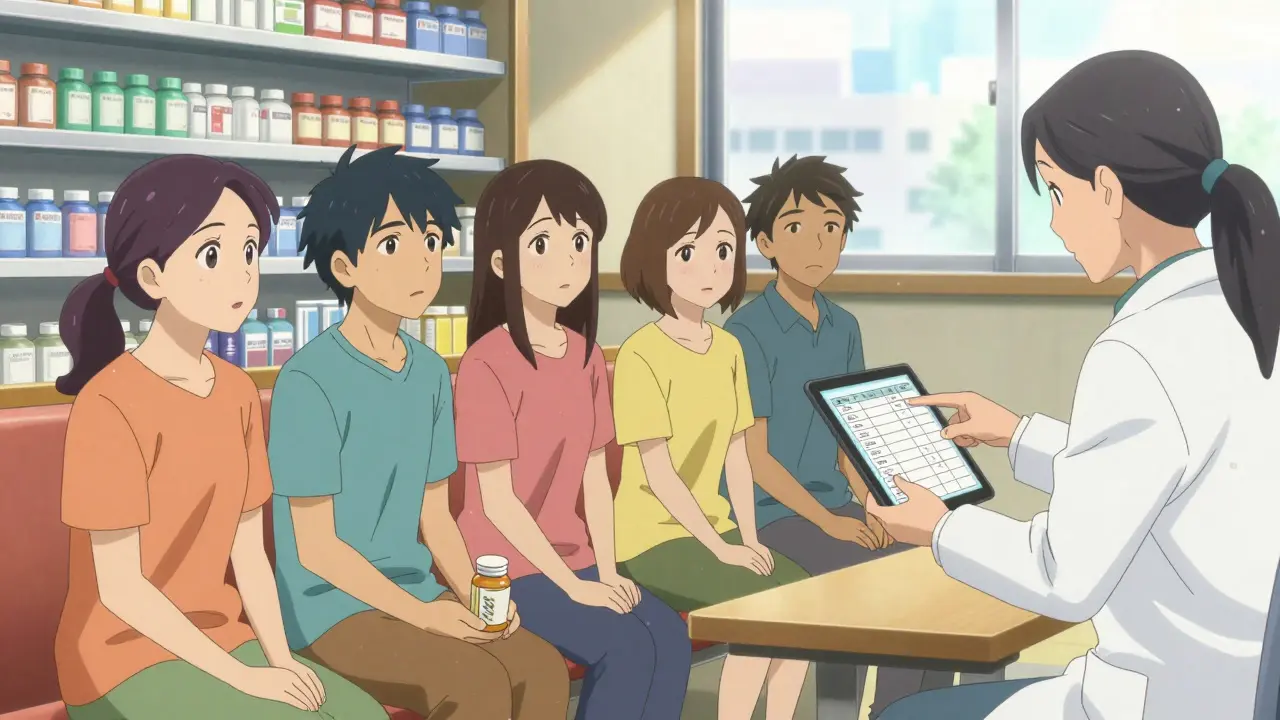
Every year, millions of people around the world are harmed by medications they took exactly as prescribed. It’s not because they were careless. It’s because the system isn’t foolproof. Medication safety isn’t just a hospital policy-it’s something every patient needs to understand, because the risks are real, and they’re closer than you think.
How Common Are Medication Errors?
One in every 20 patients worldwide experiences harm from a medication error. That’s 5% of all people taking prescription drugs. In the U.S. alone, more than 1.5 million people are injured by medications each year. That’s more than the population of Birmingham, your city, or mine. And it’s not just a numbers game-these errors lead to at least 7,000 deaths in hospitals every year, and one death per day from preventable mistakes.
It’s not just about getting the wrong pill. It’s about getting the right pill at the wrong dose, at the wrong time, mixed with something dangerous, or even taking a fake drug bought online. IV medications are especially risky-nearly half of all medication errors in hospitals happen with injections. Antibiotics, antipsychotics, heart drugs, and painkillers are the most common culprits. In fact, 20% of all medication-related harm comes from antibiotics alone.
Why Do These Mistakes Happen?
Doctors, nurses, and pharmacists aren’t careless. Most errors come from systems that are overloaded, outdated, or poorly connected. A nurse might miss a warning because she’s juggling five patients. A pharmacist might confuse two similarly named drugs. A patient might forget to tell their doctor they’re taking a supplement that reacts badly with their blood pressure medicine.
And it’s not just human error. Fake drugs are flooding the market. In the U.S., one in three counterfeit pills seized by the DEA are sold online. In 2023, over 80 million fake tablets laced with fentanyl were confiscated. Fentanyl is now the top cause of death for Americans between 18 and 45. These pills look just like oxycodone or Xanax-but they’re deadly at doses far smaller than prescribed.
Even in well-run systems, mistakes slip through. In Iran, over half of all medical errors involve medications, and nearly a third lead to death. In Australia, nurses report error rates between 16% and 44%. These aren’t outliers-they’re warnings.
Who’s Most at Risk?
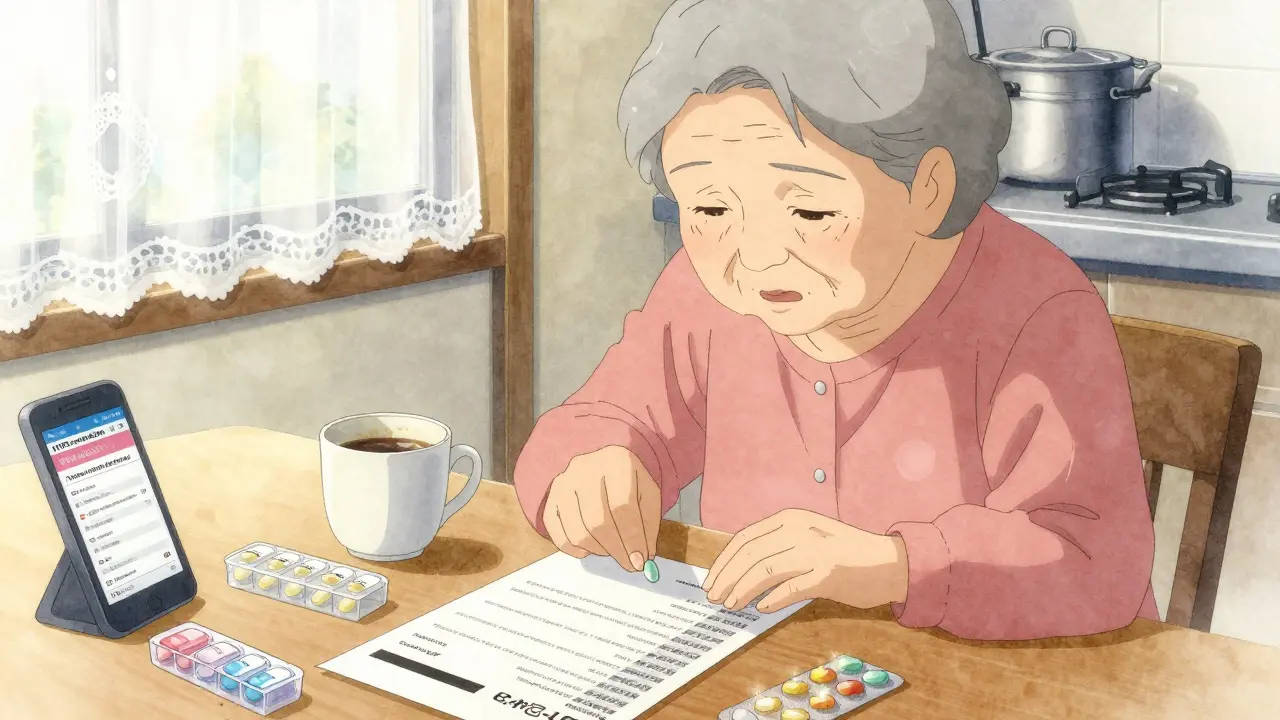
Older adults are the most vulnerable. People over 65 take an average of four to five medications daily. That increases the chance of dangerous interactions. In Australia, they cut antipsychotic prescriptions for seniors by 11% after realizing how often those drugs caused falls, confusion, and strokes.
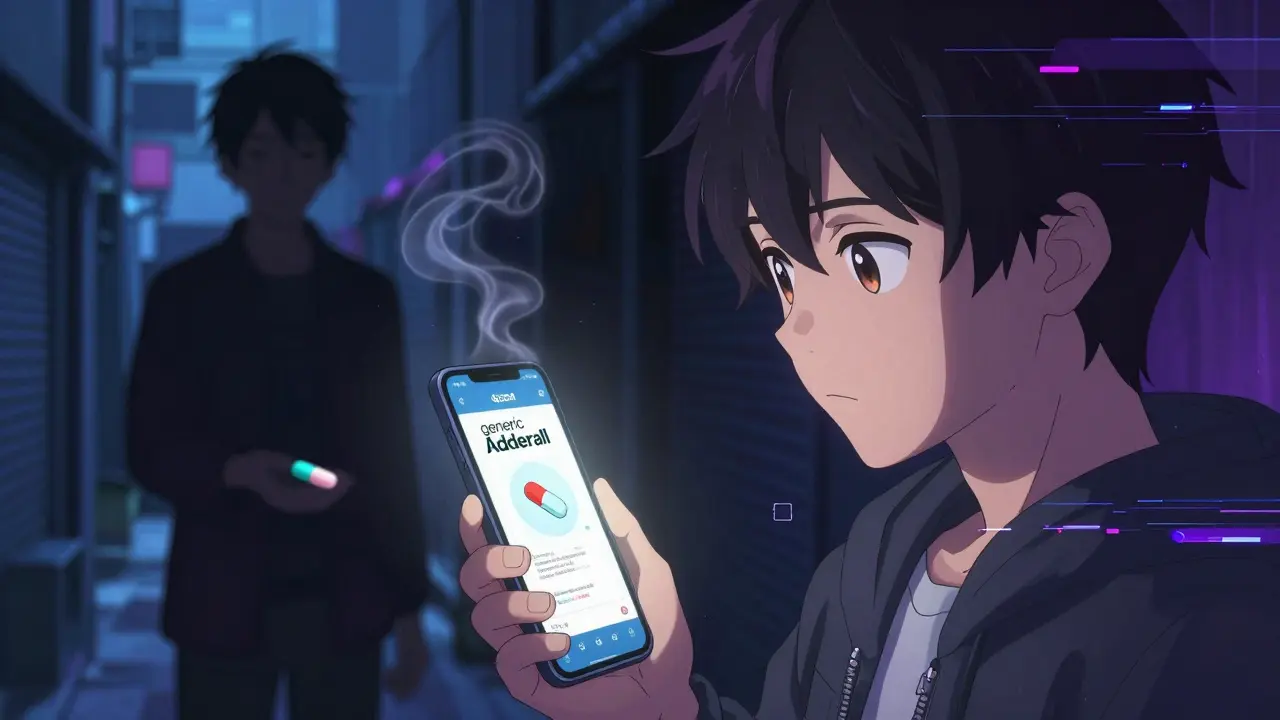
Children and teens are also at risk. Nearly 9 million Americans aged 12 and older have misused prescription painkillers. Four million have misused stimulants like Adderall-often to stay awake for exams or boost performance. These aren’t just recreational uses. Misuse leads to heart problems, addiction, and overdose.
And then there’s the home. Between 2% and 33% of patients make mistakes taking their meds at home. The most common? Taking too much, skipping doses, mixing alcohol with pills, or not finishing a full course of antibiotics. A Reddit survey of over 1,200 patients found that 68% didn’t fully understand their dosage instructions. That’s not ignorance-it’s poor communication.
What’s Being Done to Fix This?
Some places are making real progress. Australia launched a national plan with 16 actions to cut medication harm by half by 2025. They’ve already seen a 37% drop in opioid deaths thanks to real-time prescription monitoring. Hospitals now track every high-risk drug, and pharmacists check for dangerous combinations before dispensing.
In the U.S., Medicare is rolling out 16 new safety metrics for 2025. They’re tracking how well patients take cholesterol drugs, blood pressure meds, diabetes pills, and HIV treatments. They’re also watching for dangerous opioid use and antipsychotics given to dementia patients-two areas where harm is common and preventable.
The World Health Organization’s ‘Medication Without Harm’ campaign has convinced 134 countries to create national safety plans. The EU now requires fake medicine safeguards on all prescription packaging. The FDA uses Risk Evaluation and Mitigation Strategies (REMS) to control the most dangerous drugs.
But progress is uneven. While some hospitals use AI tools to catch errors before they happen, others still rely on handwritten prescriptions and paper charts. And the global market for patient safety tech is growing fast-projected to hit $14.3 billion by 2029. That’s a sign the problem is getting attention, but also that it’s far from solved.
What You Can Do to Protect Yourself
You don’t have to wait for the system to fix itself. Here’s what actually works:
- Keep a current list of everything you take. Include prescriptions, over-the-counter drugs, vitamins, and herbal supplements. Update it every time your doctor changes something.
- Use one pharmacy for all your meds. That way, your pharmacist can spot dangerous interactions. Chain pharmacies like CVS or Walgreens have systems that flag risky combos.
- Ask three questions every time you get a new prescription: What is this for? How and when do I take it? What side effects should I watch for? If the answer is vague, ask again.
- Check your pills. If your new prescription looks different from last time-even a little-ask the pharmacist. Fake pills are designed to look real. But sometimes, the color, shape, or imprint is off.
- Never buy meds online unless it’s a licensed pharmacy. Look for the VIPPS seal (Verified Internet Pharmacy Practice Sites). If it’s a social media ad or a website with no physical address, it’s a trap.
- Review your meds every six months. Ask your doctor: “Do I still need all of these?” Many older adults take drugs they no longer need-and that increases risk.
These steps aren’t optional. They’re your last line of defense.
The Bottom Line
Medication safety isn’t just about hospitals and pharmacies. It’s about you. You’re the one who takes the pills. You’re the one who notices if something feels wrong. You’re the one who can speak up.
Medication errors aren’t rare. They’re common. But they’re not inevitable. The data shows that when patients are informed and involved, harm drops. When systems are improved, deaths fall. And when people ask questions, lives are saved.
You don’t need to be a medical expert to protect yourself. You just need to be curious. You need to be persistent. And you need to know that your life matters enough to ask for clarity-even if it feels awkward.
How many people are harmed by medication errors each year?
More than 1.5 million people in the United States are injured by medication errors every year, and globally, about 5% of patients-roughly one in 20-experience harm. These errors lead to at least 7,000 deaths in U.S. hospitals annually and contribute to thousands more worldwide.
What types of medications cause the most harm?
Antibiotics are responsible for about 20% of all medication-related harm, followed by antipsychotics (19%), central nervous system drugs (16%), and cardiovascular medications (15%). Intravenous (IV) drugs have the highest error rates in hospitals, with nearly half of all medication mistakes occurring with injections.
Are fake drugs a real threat?
Yes. In North America, one in three counterfeit drug seizures involves fake pills laced with fentanyl. Between 2019 and 2021, over 55% of overdose deaths involving counterfeit oxycodone were fatal. These pills look identical to real prescriptions but can be lethal at tiny doses. They’re often sold through social media or unregulated websites.
What should I do if my pill looks different?
Always check with your pharmacist. Pill appearance can change due to manufacturer switches, which is normal. But if the color, shape, size, or imprint doesn’t match your previous refill-or if you didn’t expect a change-ask them to confirm it’s the right medication. Never take it if you’re unsure.
Can I trust online pharmacies?
Only if they’re verified. Look for the VIPPS seal (Verified Internet Pharmacy Practice Sites) or check the pharmacy’s license through your state board. Avoid sites that don’t require a prescription, offer drugs at prices that seem too good to be true, or have no physical address. Most fake drugs come from unregulated online sellers.
How can I reduce my risk at home?
Keep a written or digital list of all your medications and update it after every doctor visit. Use a pill organizer with alarms. Never mix alcohol with prescriptions. Ask your pharmacist to explain side effects in plain language. And always finish antibiotic courses unless your doctor says otherwise-even if you feel better.
Comments
Man, I never realized how many people get hurt by meds just because the system is broken. I thought it was just bad luck or something I did wrong. This post opened my eyes.
Exactly. And it’s not just about the pills-it’s about how little time doctors have to explain anything. I had a script for blood pressure meds last year and the pharmacist had to pull me aside because my doctor didn’t mention the interaction with my fish oil. That’s on the system, not me.
Oh please. You think this is new? People have been dying from bad meds since the 1950s. The only difference now is that we have social media to scream about it. Meanwhile, the pharmaceutical industry is still making billions. Wake up.
Bro... I saw a guy on TikTok buy "Adderall" for $5 a pill. He died 3 days later. Fentanyl’s not a rumor. It’s in your neighbor’s medicine cabinet. 😢
I’m from the Philippines and we have this huge problem with fake meds sold in rural markets. People die because they can’t afford real ones. The system fails everyone-not just in the US. We need global action, not just local fixes.
my grandma took 4 meds and ended up in the er cause she mixed her blood thinner with garlic pills. no one told her it was risky. she was scared to ask. we all need to speak up more
the part about using one pharmacy is so true. my pharmacist caught a dangerous combo i didn’t even know existed. she didn’t just do her job-she cared. that’s rare.
It’s not just about checking your pills or asking questions-it’s about creating a culture where patients feel safe to say "I don’t understand" without being made to feel stupid. That’s the real shift we need. Not just tech. Not just policy. Humanity.
One in twenty. That’s insane.
My sister’s a nurse in Chicago. She told me they sometimes have to choose between documenting a med error or saving a patient’s life because they’re so understaffed. The system is drowning. No one’s talking about that.
lol u think this is bad? in india we have meds sold on the street with no labels. people take them and get sick. then blame god. 😂
Why are we even surprised? Pharma makes billions off side effects. They don’t want you safe. They want you addicted. End of story.
you think you're safe? i know a girl who took "ibuprofen" from a sketchy site and ended up in a coma. she was 19. now she's paralyzed. and the cops say it's "just the market". i'm done. no more trust. no more chances.
It is, however, profoundly disingenuous to suggest that individual vigilance-however commendable-is a sufficient countermeasure to structural failures that have been systematically ignored for decades. The commodification of healthcare, the erosion of physician-patient trust, and the grotesque profit motives of pharmaceutical conglomerates constitute a triad of institutional rot that no pill organizer can fix.
How dare you suggest patients are responsible for fixing a broken system? You’re blaming the victim. The real problem is that doctors don’t have time, pharmacists are overworked, and corporations prioritize profit over people. This isn’t about you asking questions-it’s about demanding accountability from those who have the power to change things.