
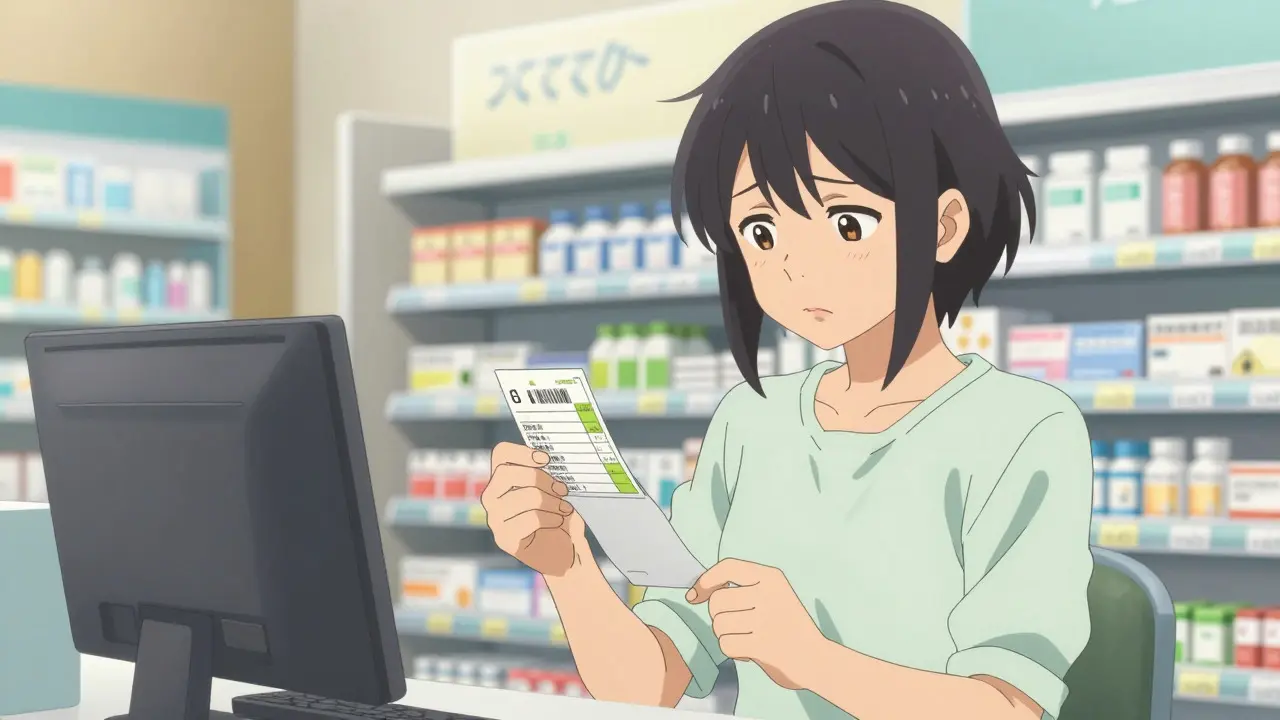
Imagine standing at the pharmacy counter, holding a prescription for a common medication. The pharmacist scans your insurance card, and the register prints out a $150 copay. You feel a pang of frustration because you know that drug shouldn't cost that much. This is exactly where GoodRx and similar discount services step in. They offer an alternative path to paying for prescriptions, often bypassing the complex web of insurance deductibles and formulary tiers. But should you always use them? Not necessarily. Understanding when to swap your insurance card for a digital coupon can save you hundreds of dollars a year, but doing it wrong can lead to billing headaches or missed coverage.
The Mechanics Behind Prescription Discount Cards
Prescription discount cards are third-party coupons that negotiate lower cash prices with pharmacies, independent of your health insurance plan. Services like GoodRx, SingleCare, and RxSaver work by partnering with Pharmacy Benefit Managers (PBMs). These PBMs are the middlemen that negotiate drug prices on behalf of insurance companies. When you use a discount card, you are essentially accessing a portion of those negotiated network rates that are usually reserved for insured patients, but without the administrative overhead of an insurance claim.
The process is straightforward. You enter your medication into the app, select a nearby pharmacy, and receive a price quote. If that price is lower than your expected insurance copay, you present the digital or printed coupon at checkout. It is crucial to understand that these services do not cover the full cost of the drug; they simply reduce the retail price. For example, a generic medication might drop from $80 to $35 using a discount code. However, this transaction is separate from your insurance. You cannot split a single prescription between insurance and a discount card. You must choose one payment method per fill.
When to Choose Discounts Over Insurance
The decision to use a discount service instead of insurance depends heavily on your specific financial situation and the type of medication. There are three primary scenarios where discount cards typically win:
- High Deductible Health Plans (HDHPs): If you have a high deductible and haven't met it yet, your insurance copay might be 100% of the drug's cost. In these cases, a discount card often beats the full retail price. For instance, if your deductible is $2,000 and you need a $100 antibiotic, paying $60 via GoodRx saves you $40 immediately.
- Non-Formulary Drugs: If your insurance plan does not cover a specific brand-name drug, or places it in the highest tier with a massive copay, the cash price via a discount card is frequently lower. This is particularly true for popular medications like GLP-1 agonists (e.g., Ozempic) or certain antidepressants.
- Uninsured Individuals: For those without any health coverage, discount cards provide immediate access to reduced prices without requiring enrollment in a new plan or paying monthly premiums.
Conversely, if you have already met your annual deductible, your insurance copay will likely be minimal (often $5-$20), making the discount card unnecessary. Similarly, for specialty drugs with high list prices, manufacturer coupons or insurance coverage usually outperform standard discount cards, which rarely penetrate the deep pockets of specialty pharmacy pricing effectively.
Comparing Major Discount Services
While GoodRx holds the largest market share, it isn't the only option. Different platforms have different strengths, pharmacy networks, and user experiences. Here is how the top contenders stack up:
| Service | Cost | Key Feature | Pharmacy Network Size | Best For |
|---|---|---|---|---|
| GoodRx | Free / Gold ($9.99/mo) | Real-time price comparison across multiple pharmacies | 70,000+ locations | General users seeking maximum flexibility |
| SingleCare | Free | Simplified interface, no account required for basic use | 60,000+ locations | Quick lookups without app installation |
| RxSaver | Free | Strong discounts on generics, simple design | 45,000+ locations | Generic medication purchases |
| WellRx | Free | No credit card required, broad pharmacy acceptance | 50,000+ locations | Users avoiding subscription fees entirely |
GoodRx stands out due to its real-time aggregation technology. It updates prices hourly, allowing you to compare costs across dozens of local pharmacies instantly. SingleCare offers a lighter footprint, often used by those who just want a quick check without creating a profile. RxSaver has historically been strong for generic drugs, offering competitive pricing on common ailments. The choice often comes down to which service offers the best price for your specific drug at your nearest pharmacy, as rates vary significantly by location and pharmacy chain.
Navigating Medicare and Medicaid Restrictions
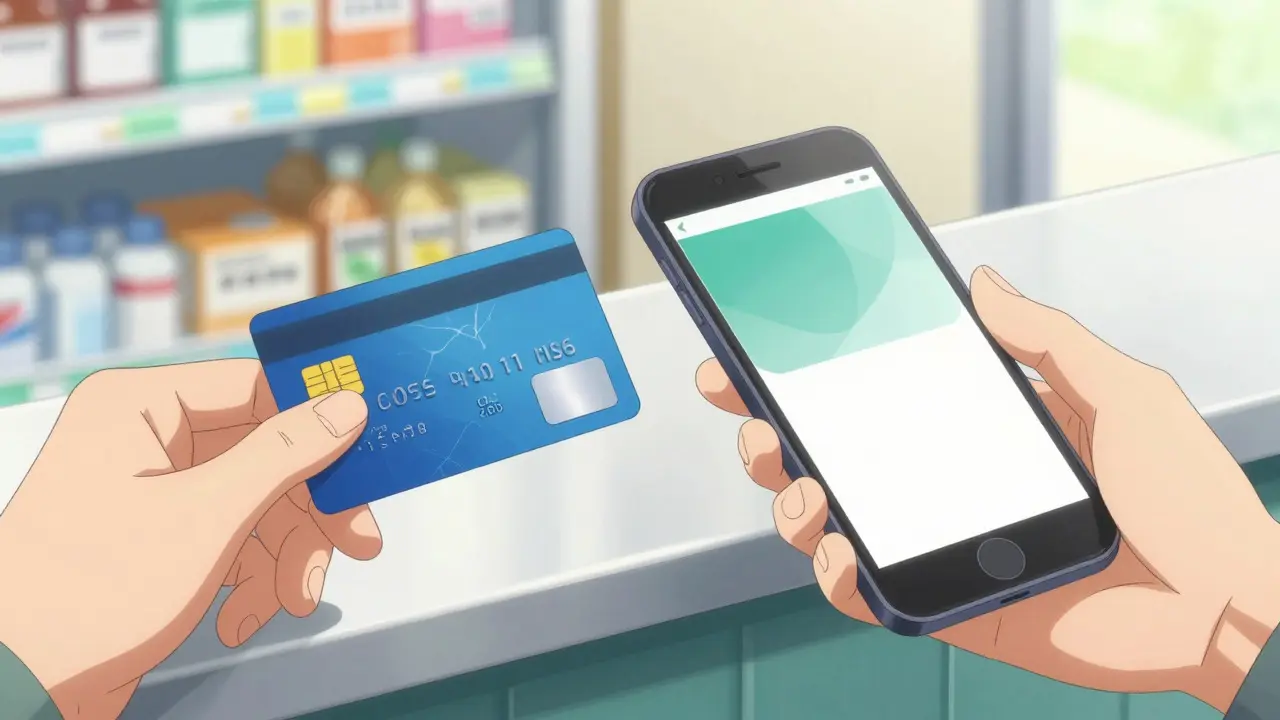
If you are enrolled in Medicare Part D or Medicaid, using discount cards requires extra caution. Federal regulations generally prohibit using third-party discount coupons alongside government insurance benefits for the same prescription. This is known as the anti-kickback statute. Presenting a GoodRx coupon while also swiping your Medicare card can sometimes trigger a billing violation, potentially leading to overpayment issues or, in rare cases, coverage scrutiny.
However, there are exceptions. If your drug is not covered by your Medicare formulary, or if you are in the "donut hole" (coverage gap) where your out-of-pocket costs spike, a discount card might still be cheaper. But you must verify with your pharmacist that the transaction will be processed as a pure cash sale, not a hybrid claim. Always ask the pharmacist to run the insurance first to see the copay, then compare it to the discount card price before deciding. If you choose the discount card, ensure the receipt clearly states "Cash Price" or "Discount Applied" rather than an insurance adjustment.
Practical Steps for Maximizing Savings
To get the most out of these services, follow this strategic workflow every time you pick up a prescription:
- Check Your Formulary: Before leaving the doctor's office, confirm if the prescribed drug is on your insurance plan's preferred tier. If it's non-preferred or unlisted, note this down.
- Run Both Prices: At the pharmacy, ask the staff to check your insurance copay. Simultaneously, open the GoodRx or SingleCare app and search for the drug at that specific pharmacy.
- Compare Total Costs: Look at the final out-of-pocket amount for both options. Remember, if you pay cash via a discount card, that amount may not count toward your annual deductible or out-of-pocket maximum (though some plans now include cash payments, so check your policy).
- Choose the Lower Option: Present either your insurance card or the digital coupon. Do not present both unless explicitly told to do so by the pharmacist for verification purposes.
- Keep Receipts: Save all receipts showing the payment method. This helps track your spending and provides proof of purchase if you ever need to dispute a charge or apply for manufacturer assistance later.
A pro tip: Some manufacturers offer their own patient assistance programs or coupons. Sometimes, stacking a manufacturer coupon with a discount card isn't allowed, but comparing the manufacturer's direct-to-consumer price against the discount card price can reveal even deeper savings for expensive brand-name drugs.

Common Pitfalls and How to Avoid Them
Even with the best intentions, users make mistakes that erode potential savings. One common error is assuming the discount applies everywhere. Not all pharmacies accept every discount card. Independent pharmacies are less likely to participate than major chains like CVS, Walgreens, or Walmart. Always verify participation in the app before driving to a remote location.
Another pitfall is ignoring controlled substances. Many discount services do not offer discounts on Schedule II controlled drugs (like Adderall or Oxycodone) due to stricter DEA regulations and higher monitoring requirements. For these meds, insurance is often the only viable low-cost route.
Finally, don't forget about timing. Drug prices fluctuate. A drug that was cheap last month might be more expensive this month due to changes in PBM contracts. Regularly re-checking prices for chronic medications can uncover new savings opportunities as market dynamics shift.
Frequently Asked Questions
Can I use GoodRx and my insurance together?
No, you generally cannot split the cost of a single prescription between insurance and a discount card. You must choose one payment method per fill. However, you can compare the prices of both to decide which is cheaper for that specific visit.
Does using a discount card count toward my deductible?
Usually, no. Payments made through third-party discount cards are considered cash transactions and do not typically count toward your insurance deductible or out-of-pocket maximum. However, some newer insurance plans are beginning to include cash payments, so it is worth checking your specific policy details.
Is GoodRx free to use?
Yes, the basic GoodRx service is free. You can download the app, look up prices, and generate coupons without paying a subscription fee. They do offer a premium version called GoodRx Gold for a monthly fee, which provides deeper discounts and additional features, but it is not required for standard usage.
What if the pharmacy doesn't accept the discount card?
If a pharmacy does not accept the specific discount service you are using, you will have to pay the standard retail price or use your insurance. To avoid this, always check the app's pharmacy locator feature before heading out to ensure the location participates in the program.
Are discount cards better for generic or brand-name drugs?
Discount cards tend to be very effective for both, but the relative savings differ. For generics, the absolute dollar savings might be smaller (e.g., saving $5-$10), but the percentage reduction is significant. For brand-name drugs, especially those not covered by insurance, the savings can be substantial, often reducing costs by 30-50% compared to retail.