
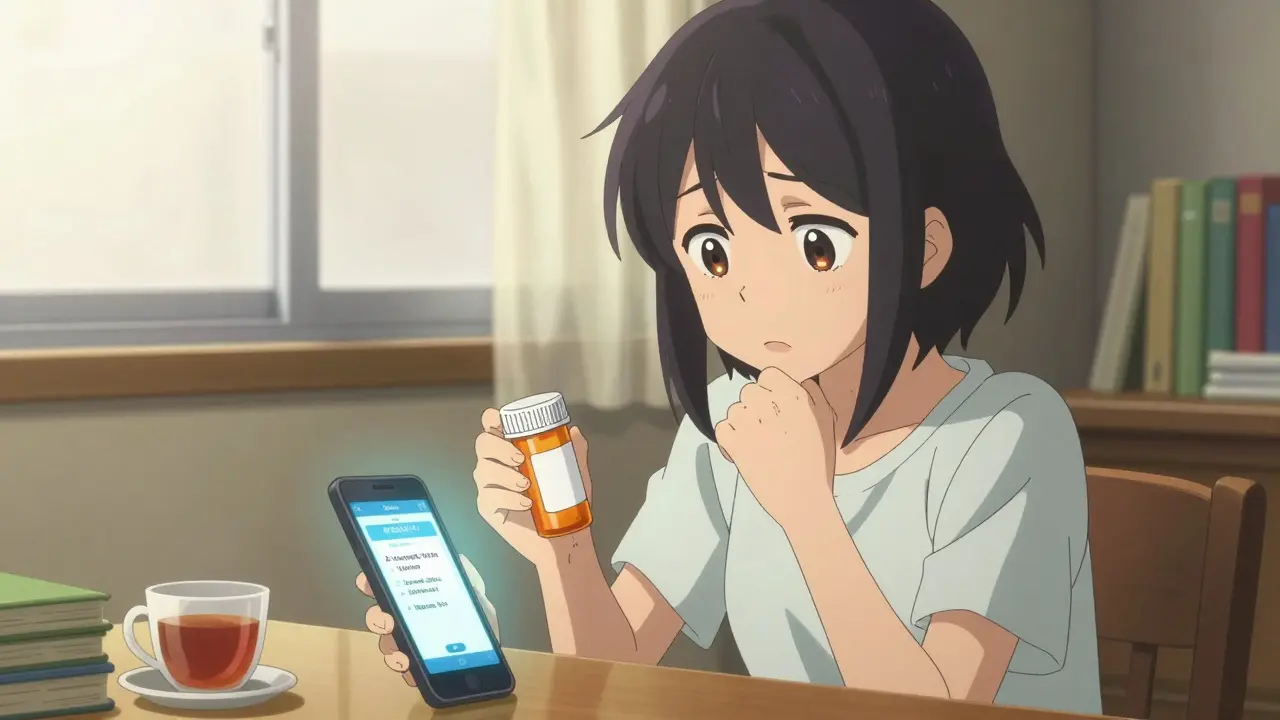
Imagine picking up your prescription for high blood pressure or cholesterol, only to find out weeks later that the bottle you took home was part of a major generic drug recall. It’s a scary thought, but it happens more often than you might think. In fact, the Food and Drug Administration (FDA) documents an average of 323 drug recall events every year. While these numbers sound alarming, understanding why they happen-and exactly what steps you need to take-can turn panic into preparedness.
You don’t need to be a pharmacist to navigate this. You just need to know the signs, understand the severity levels, and have a plan ready. This guide breaks down the reality behind generic drug recalls, from manufacturing errors in India and China to the specific actions you must take if your medication is affected.
Why Generic Drugs Get Recalled
Most people assume that if a drug passed initial testing, it’s safe forever. Unfortunately, that’s not how manufacturing works. The most common reason for recalls is deviations in Current Good Manufacturing Practices (CGMP). Think of CGMP as the rulebook for making medicine. If a factory doesn’t maintain its equipment properly, calibrates machines incorrectly, or skips quality control tests, the drugs coming off the line might not meet purity or potency standards.
A massive example happened in April 2025 when Glenmark Pharmaceuticals voluntarily recalled nearly 40 types of generic medications made at a facility in India. These included common pain relievers like Acetaminophen and Ibuprofen sold by major retailers like Walmart and Amazon. The issue wasn’t necessarily that the drugs were toxic, but that they failed to meet strict manufacturing consistency rules. This highlights a broader trend: about 68.3% of all drug recalls between 2015 and 2024 originated from facilities outside the United States, primarily in India and China.
Another frequent culprit is "failed dissolution specifications." This sounds technical, but it simply means the pill didn’t dissolve in your stomach at the expected rate. If a pill doesn’t dissolve correctly, your body can’t absorb the medication effectively. In late 2025, this issue triggered recalls for generic versions of Vyvanse (lisdexamfetamine) and Lipitor (Atorvastatin). For a medication like Atorvastatin, which helps manage cholesterol for roughly 47 million Americans, poor dissolution could mean the drug simply doesn’t work, leaving patients unprotected against heart risks.
Contamination is the third big category. This includes microbial growth, foreign particles, or cross-contamination where traces of one drug end up in another. Between 2015 and 2024, nearly 28% of all drug recalls involved some form of contamination. A particularly dangerous case involved fentanyl patches with leaked seals. As Dr. Julio Nunes, a psychiatry resident at Yale University, noted, the risk wasn’t just underdosing-it was the potential for overdosing due to uncontrolled delivery of the potent opioid.
Understanding Recall Classes: How Serious Is It?
Not all recalls are created equal. The FDA classifies them into three categories based on the health risk. Knowing which class applies to your situation dictates your next move.
| Class | Risk Level | Typical Cause | Action Required |
|---|---|---|---|
| Class I | Highest Risk | Contamination, severe mislabeling, wrong ingredient | Stop taking immediately; seek alternative treatment |
| Class II | Moderate Risk | Dissolution failures, minor CGMP violations | Consult doctor before stopping; replace medication |
| Class III | Lowest Risk | Packaging defects, labeling errors unlikely to harm | Return for refund/replacement; no immediate health threat |
Class I recalls represent a reasonable probability of serious adverse health consequences or death. These are rare but critical. Class II recalls, like the recent Atorvastatin incidents, involve temporary or medically reversible adverse health consequences. Class III recalls are unlikely to cause any health issues but still violate quality standards. Most generic drug recalls fall into Class II, meaning the drug might not work perfectly, but it isn’t immediately poisonous.
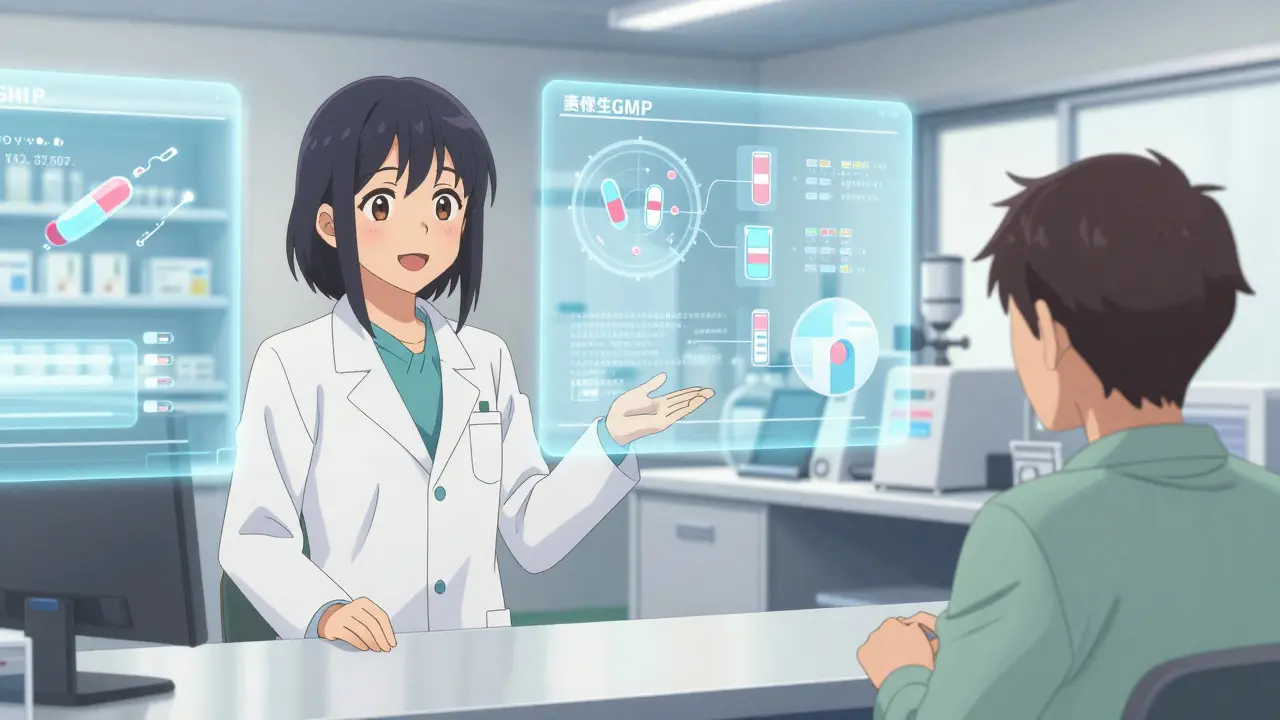
What To Do If Your Medication Is Recalled
If you hear news about a recall involving a drug you take, don’t panic-but do act quickly. Here is the step-by-step process recommended by the FDA and healthcare experts.
- Check Your Lot Number: Look at your prescription bottle. Every bottle has a lot number printed on it. Compare this number to the list of affected lots published by the FDA or the manufacturer. If your lot number isn’t listed, you are likely safe.
- Contact Your Healthcare Provider: This is crucial. Do not stop taking essential medications like blood pressure drugs, statins, or ADHD stimulants abruptly without medical advice. Stopping suddenly can cause withdrawal symptoms, rebound effects, or worsened conditions. For example, stopping ADHD medication abruptly can lead to extreme fatigue and depression.
- Return the Medication: Take the remaining pills back to your pharmacy. Pharmacists at major chains like CVS and Walmart have automated systems that alert them if a refill matches a recalled lot. They will provide a replacement or a refund.
- Report Adverse Effects: If you believe you experienced side effects from the recalled drug, report it to the FDA’s MedWatch program. This data helps regulators track patterns and improve future safety measures.
It’s also worth noting that pharmacies are getting better at notifying patients. CVS reported a 92.4% patient notification rate for Class II recalls in 2024. However, relying solely on the pharmacy isn’t enough. You should periodically check the FDA’s official recall website, especially if you take chronic medications.
The Hidden Impact: Shortages and Costs
Recalls aren’t just a personal inconvenience; they ripple through the entire healthcare system. When a major generic drug is pulled, it often leads to shortages. The FDA’s 2024 Drug Shortage Report noted that about 37% of generic drug recalls result in temporary shortages. On average, these shortages last 8.3 weeks. For vulnerable populations relying on essential meds, this gap can be dangerous.
For manufacturers, the financial stakes are huge. The average cost of a major generic drug recall exceeds $47.8 million. This includes retrieving the product, lost sales, and reputational damage. Glenmark Pharmaceuticals saw its market value drop by 14.3% after their 2025 recall announcement. Sun Pharmaceutical Industries faced a similar 9.7% stock drop after their Vyvanse recall. These financial hits drive companies to invest more heavily in quality control, but they also highlight the fragility of the supply chain.
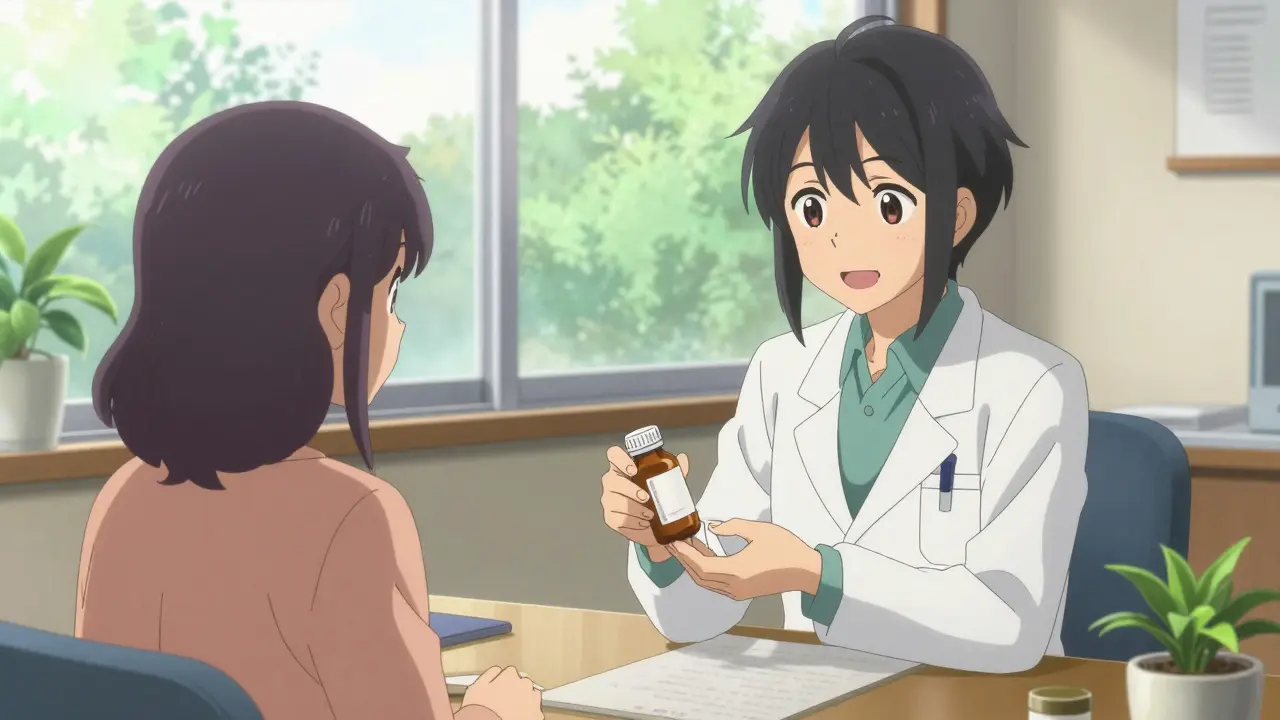
How the FDA Is Fighting Back
The government isn’t sitting idle. Under the 2023 Generic Drug User Fee Amendments (GDUFA III), the FDA has increased inspection frequency for high-risk facilities from once every 4.7 years to once every 2.3 years. This is a significant shift aimed at catching CGMP violations earlier.
Additionally, the FDA is expanding its PREDICT system (Predictive Risk-based Evaluation for Dynamic Import Compliance Targeting). By 2026, this system will cover 100% of imported generic drugs, up from about 64% currently. This uses data analytics to target shipments that are most likely to fail quality checks before they even reach U.S. ports.
Industry players are also stepping up. In January 2025, major companies like Teva Pharmaceuticals, Viatris (formerly Mylan), and Apotex formed the Generic Pharmaceutical Quality Consortium. They committed $285 million to establish independent quality verification centers in India and China. This move aims to add an extra layer of scrutiny beyond what the FDA can physically inspect.
Protecting Yourself Long-Term
Despite these improvements, about 18.7% of recall notifications still fail to reach the end patient. That’s millions of people who might unknowingly take compromised medication. So, how do you protect yourself?
- Use One Pharmacy: Stick to a single pharmacy for all your prescriptions. This makes it easier for them to track your history and notify you if a recall affects any of your meds.
- Stay Informed: Subscribe to alerts from the FDA or reputable health news sources. Don’t rely on social media rumors, which often exaggerate risks.
- Ask Questions: When picking up a new generic, ask your pharmacist if there have been any recent quality issues with that specific manufacturer. Pharmacists appreciate engaged patients.
- Keep Records: Save your prescription receipts and note down lot numbers for long-term medications. This makes checking for recalls much faster if news breaks.
Generic drugs are a cornerstone of affordable healthcare, but their complex global supply chain introduces unique risks. By understanding the causes of recalls, recognizing the severity classes, and knowing the exact steps to take, you can stay safe and ensure your treatment remains effective. Vigilance is your best defense.
Should I stop taking my medication if it's part of a Class II recall?
No, do not stop taking essential medications abruptly without consulting your healthcare provider. Class II recalls typically involve issues like dissolution failures or minor manufacturing deviations that may reduce effectiveness but rarely pose immediate life-threatening risks. Stopping suddenly could cause withdrawal symptoms or worsen your underlying condition. Contact your doctor or pharmacist first to get a replacement.
Why do so many drug recalls come from India and China?
The majority of generic drug manufacturing has shifted to countries like India and China due to lower production costs. However, regulatory oversight is more challenging across borders. The FDA has limited resources to inspect overseas facilities frequently. Recent initiatives like GDUFA III aim to increase inspection frequency and improve monitoring through systems like PREDICT to address these vulnerabilities.
How can I tell if my specific medication bottle is recalled?
Check the lot number printed on your prescription bottle. Compare this number to the list of affected lots provided by the FDA or the drug manufacturer. You can find these lists on the FDA’s official recall website or through alerts from your pharmacy. If your lot number matches, contact your pharmacist immediately for a replacement.
What is a "dissolution failure" in a drug recall?
Dissolution refers to how quickly a pill breaks down and releases its active ingredients in your body. A dissolution failure means the pill does not dissolve at the expected rate during laboratory testing. This can result in reduced absorption, meaning the medication may not work as intended. For example, a statin that fails to dissolve properly might not lower cholesterol effectively.
Will I be reimbursed if my medication is recalled?
Yes, typically you can return the recalled medication to your pharmacy for a full refund or a replacement at no cost. Manufacturers often register lot numbers for reimbursement purposes. Keep your receipt and the original packaging to facilitate this process. Pharmacies like CVS and Walmart have streamlined processes to handle these returns efficiently.